Why Liberation of Medicinal Marijuana Failed to Fully Please its Advocates
RIO DE JANEIRO, BRAZIL – The National Health Surveillance Agency (ANVISA) approved on Tuesday the marketing of medicines made from cannabis, the substance of marijuana, for medicinal use in pharmacies in Brazil. The measure was approved unanimously. It becomes effective 90 days after its publication in the Federal Gazette and is valid for three years, at which time it may be reviewed.
Also on Tuesday, the Agency vetoed the proposal to authorize the planting and cultivation of marijuana for medicinal purposes, which requires importation of the marketed substance by manufacturers. Despite being regarded as a major step in the acceptance of the use of cannabis as a medicine, this liberation failed to fully please the advocates of marijuana for the treatment of diseases.
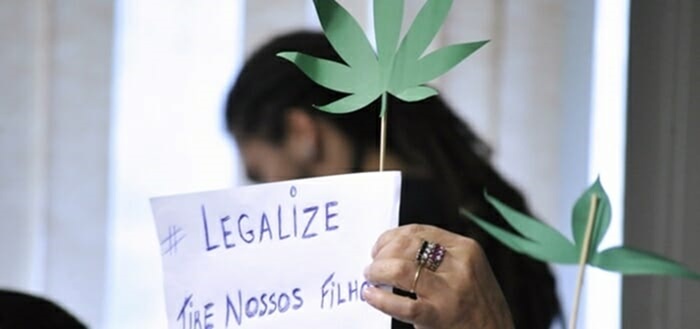

The regulation approved by ANVISA requires manufacturing companies to have a certificate issued by the agency, special authorizations, technical documentation and operational control conditions.
“ANVISA implies that the company will build a bunker to produce the drug. It seems that they are worried about a nuclear bomb”, opines Leonardo Navarro, an attorney specializing in the right to health. “I don’t know of any Brazilian company that meets these requirements,” he says.
According to the attorney, ANVISA’s regulations, together with the ban on cultivation in Brazilian soil, makes the use of imported cannabis obligatory for marketing within Brazil. He argues that the Agency’s measure does not meet society’s demand, since, despite the increased opportunity for registration, medicines from abroad reach Brazil at a very high price.
“The history of cannabis derivatives regulated in Brazil includes only Mevatyl, an imported product that costs R$2800 (US$700) per bottle. And this will remain an obstacle in the access to treatment”.
In addition to the exclusivity of imported marijuana, the criteria established by the agency also hinder the production of medicines among associations and NGOs that work for patient access to medicinal marijuana in national territory.
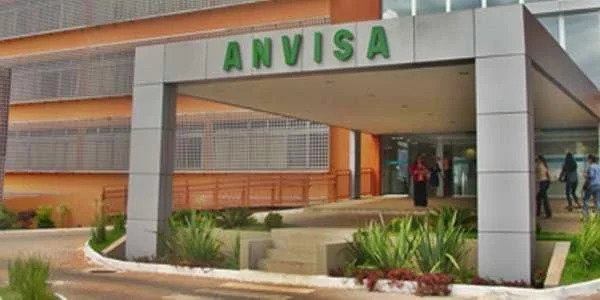
“The measure links the sale of cannabis to the pharmaceutical industry,” said Navarro. “There are NGOs that carry out advanced work in the field, with doctors, biochemists, pharmacists and patients with results, and this regulation makes their work unfeasible. They represent a scientific study that the government is not regulating”, he adds.
The marketed drugs will not be classified as medicines in the first three years of the measure, but will represent a new category: ‘cannabis products’. They can only be sold in pharmacies and drugstores without manipulation and under medical prescription.
The substances extracted from marijuana have been proven to act as antidepressants, painkillers, sedatives, appetite stimulants and anticonvulsants and are effective in treating diseases such as epilepsy, Parkinson’s disease, multiple sclerosis, schizophrenia, asthma and chronic pain.
Navarro emphasizes that, in order to include greater regulation than what ANVISA has done and democratize the medicinal use of cannabis, Brazil should follow the example of countries that have achieved productive results without abolishing the veto on the drug.
“In some countries, planting is done at army bases. There are several ways to enable cultivation so that companies have access to raw materials without disturbing the ban on recreational use,” he says. The inability to grow the plant to manufacture the medicine in Brazilian territory, according to the attorney, is the greatest hindrance to production in the country. According to ANVISA, if manufacturers wish to venture into Brazil, they should “carry out the import of semi-finished raw material, and not the plant or part of it”.
ANVISA’s decision may not be vetoed, but it will be evaluated within three years. Government or Congress may also propose a measure contrary to the agency’s regulations. Navarro suggests the potential for a legislative move in favor of new criteria on the use of medicinal marijuana in the country in 2020, since the issue is already being discussed in bills.
“The trend is to have a broad regulation to make medicinal cultivation viable for those who want it in Brazil, as long as it meets certain requirements. It should contemplate more cases than ANVISA’s measure,” says the expert on the right to health.
“The agency is right to deal with the issue because it had never effectively addressed the registration of these drugs. But, with these specific criteria, it excludes the important work of associations and NGOs. It is a step forward, but it does not take into account society’s demands”.
More: Brazil news in English, every day from The Rio Times.
This article was produced by The Rio Times’ automated AI newsroom. Editorial responsibility: Matthias Camenzind, Publisher and Editor-in-Chief. The Rio Times also runs Ask Rio Times, which answers from 100,000+ of our own articles, the daily Latin America Power Map, and prediction-market odds on elections and markets.. How we use AI · Report an error
Brazil runoff, Sunday, October 25: Brazil runoff: date, poll closing times and when results start. Latest: Brazil runoff polls, Flávio 51%, Lula 49%.