Mexican Poet Vicente Quirarte Dies at 72
Mexico · Culture
Key Facts
- Death age Vicente Quirarte died at 72 on August 11–12, 2026, according to UNAM and El Colegio Nacional.
- Birth date He was born in Mexico City on July 19, 1954.
- Alma mater Quirarte studied at UNAM, where he later became a researcher, writer, and professor.
- Memberships He belonged to both El Colegio Nacional and the Academia Mexicana de la Lengua.
- Top prize He won the Xavier Villaurrutia Prize in 1991 for his poetry.
- Essay award He received the Premio Nacional de Ensayo Literario José Revueltas in 1990.
- University honor UNAM granted him the Premio Universidad Nacional in 2012.
The real loss is not just a poet’s voice, but a bridge between Mexico’s literary past and its living classrooms — someone who taught generations that poetry and the city are inseparable.
Have you ever walked through Mexico City’s historic center? Then you have already entered the world Vicente Quirarte spent a lifetime mapping.
Quirarte died at 72 on August 11–12, 2026. He was a poet, an essayist, and a cartographer of memory.
He turned UNAM’s hallways into a living archive of Mexican letters. For anyone in Latin America, his death marks the end of an era.
Literature once held a central place in public life. A single writer could shape how a nation saw itself.
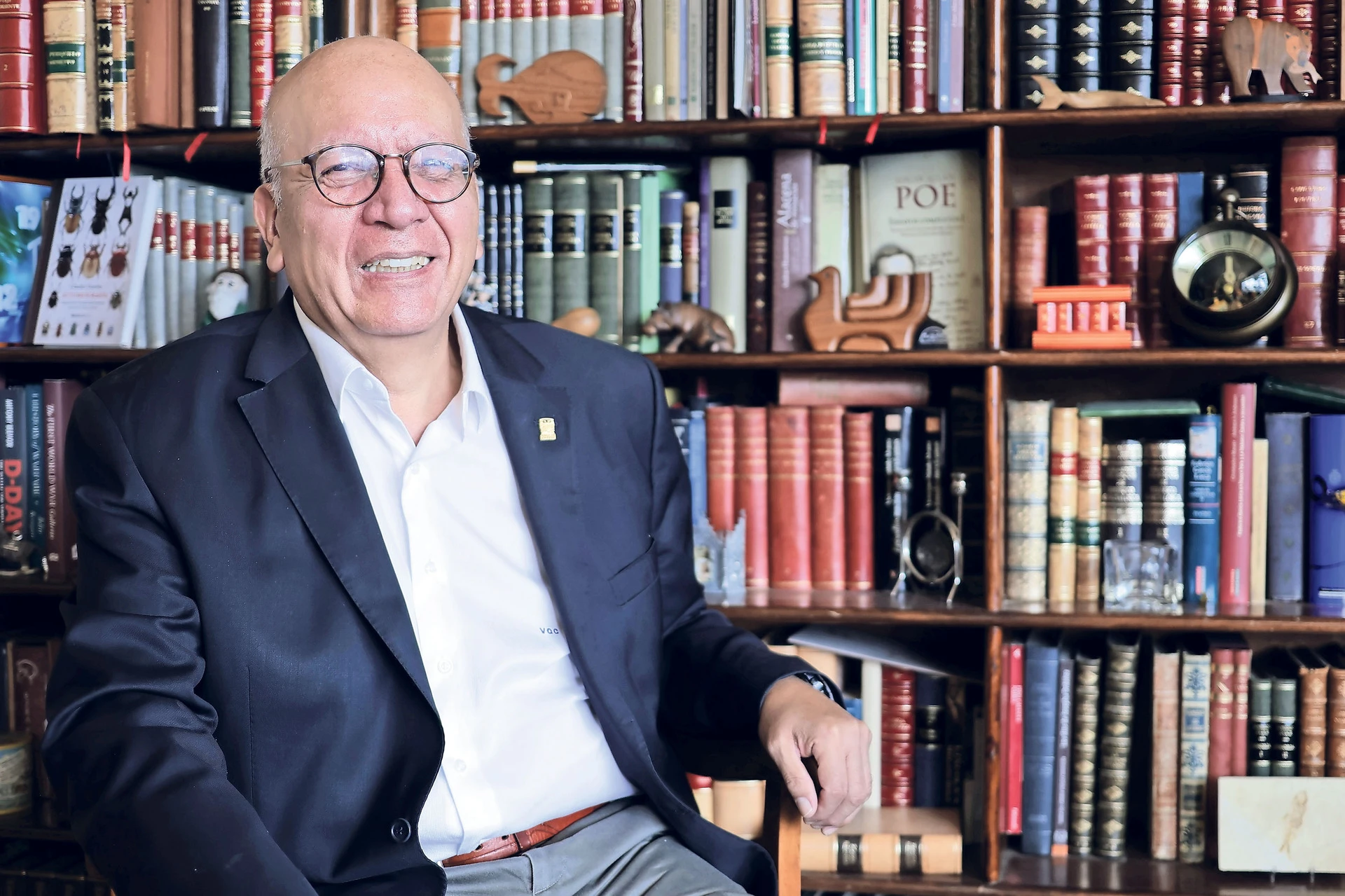
The Poet Who Read the City
Vicente Quirarte was born in Mexico City on July 19, 1954. He never really left, not physically and not in his imagination.
His poetry and essays returned again and again to the capital. He treated the city not as a backdrop but as a living character.
He wrote about its plazas, shadows, and colonial architecture. He captured its modern chaos with the eye of someone who believed a city’s soul lives in its details.
That obsession made him a singular figure in Mexican letters. Many contemporaries looked abroad for influence, but Quirarte dug deeper into his own ground.
He studied at UNAM and later taught there for decades. His academic work ran parallel to his creative output.
He did not retreat from the university. He saw the classroom as another form of the page.
His students often described him as someone who made literature feel urgent. He never made it feel ornamental.
A Legacy Etched in Prizes and Institutions
Quirarte’s shelf of honors tells the story of a career that moved between genres. In 1990, he won the Premio Nacional de Ensayo Literario José Revueltas.
The following year, the Xavier Villaurrutia Prize came for his poetry. It is one of Mexico’s most respected literary awards.
In 2012, UNAM recognized him with the Premio Universidad Nacional. That award acknowledged his dual life as creator and scholar.
His institutional roles were equally significant. He was a member of El Colegio Nacional and the Academia Mexicana de la Lengua.
Quirarte helped steward the Spanish language in Mexico. Public discourse was shifting toward the ephemeral at that time.
El Colegio Nacional called his legacy “monumental” in its mourning statement. The phrase captures the breadth and weight of what he left behind.
Why This Matters Beyond the Obituary Page
For expats, nomads, and investors, Quirarte’s death is a reminder. The region’s cultural infrastructure is built by individuals, not just museums.
Those individuals spend decades teaching, writing, and arguing about what a nation means. When a figure like Quirarte passes, the loss is not abstract.
It is felt in university seminars that lose their anchor. It is felt in literary magazines that lose a frequent contributor.
It is felt in the public conversation about Mexican identity. That conversation has real-world consequences.
Investors and residents who understand a country’s culture can read its social moods. Mexico City’s status as a cultural capital did not happen by accident.
Generations of writers, critics, and educators built it. They insisted that the life of the mind mattered.
Quirarte was one of the last living links to that generation. His absence will be hard to quantify but impossible to miss.
The Classroom as a Form of Immortality
Quirarte’s death at 72 is a reminder. Even the most monumental legacies are carried by people.
UNAM’s Literary Affairs office mourned his passing. The university’s statement emphasized his role as a researcher, writer, and professor.
Those three verbs describe a life spent in service of the word. He did not just produce books; he produced readers.
Through those readers, he produced more writers. That chain of transmission is perhaps his most durable achievement.
The students who sat in his seminars will teach their own students. The essays he wrote about Mexico City will be read long after the city changes beyond recognition.
Vicente Quirarte understood that literature is not a monument. It is a relay race, and he ran his leg with uncommon grace.
More: Latin America news in English, every day from The Rio Times.
Frequently Asked Questions
Who was Vicente Quirarte?
Vicente Quirarte was a Mexican poet, essayist, narrator, and academic. He was born in Mexico City on July 19, 1954.
He studied at UNAM and belonged to El Colegio Nacional and the Academia Mexicana de la Lengua. He won the Xavier Villaurrutia Prize in 1991, the Premio Nacional de Ensayo Literario José Revueltas in 1990, and the Premio Universidad Nacional in 2012.
When and how did Vicente Quirarte die?
He died at age 72 on August 11–12, 2026. Reports came from UNAM, El Colegio Nacional, and major Mexican outlets.
The exact cause of death has not been publicly confirmed.
Why is Vicente Quirarte important to Latin American culture?
Quirarte was a bridge between Mexico’s literary tradition and its contemporary academic life. His poetry and essays focused heavily on Mexico City.
His decades of teaching at UNAM helped shape multiple generations of writers and critics. El Colegio Nacional called his legacy “monumental” in Mexican and Ibero-American letters.
Connected Coverage
Sources: UNAM; El Colegio Nacional; El Universal; Reforma, August 2026.
This article was produced by The Rio Times’ automated newsroom system. How we use AI · Report an error
Read More from The Rio Times