Brazil · Business
Key Facts
—Net profit US$1.37 billion, down 35% year-on-year, missing the US$1.84 billion analyst forecast.
—Derivatives hit A negative US$798 million swing on derivatives, linked to a stronger Brazilian real, drove the profit drop.
—Revenue Net operating revenue rose about 6.4% to roughly US$10.5 billion.
—Pro-forma EBITDA Reached about US$4.06 billion, up roughly 19%, excluding Brumadinho provisions.
—Shareholder payouts The board approved R$8.64 billion (~US$1.6 billion) in dividends and a buyback of up to 100 million shares.
Vale Q2 profit fell 35% year-on-year to US$1.37 billion, the Brazilian mining giant reported, as a negative derivatives swing overshadowed a surge in copper and nickel results and a 6.4% rise in net operating revenue.
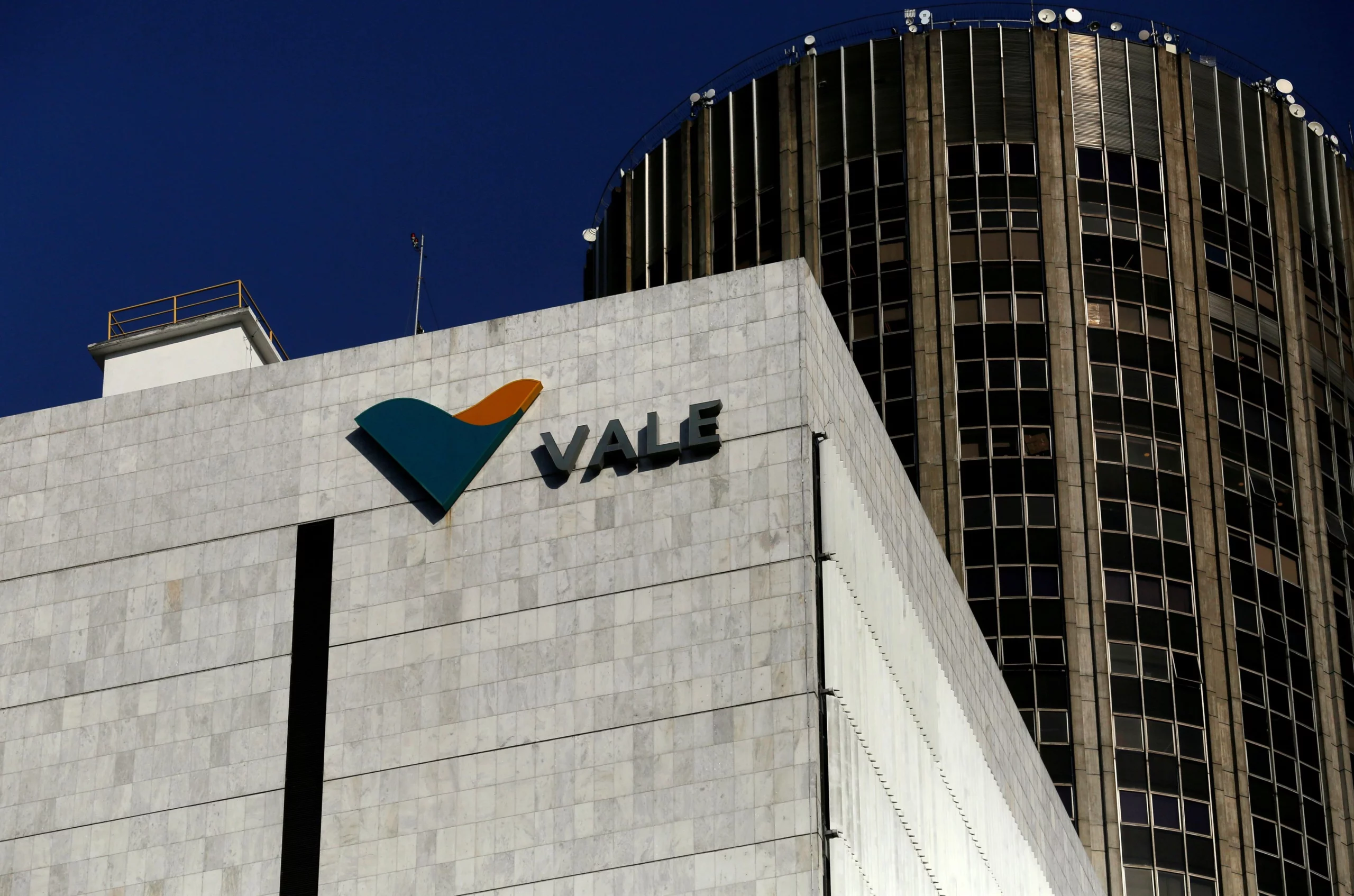
The derivatives hit that erased US$798 million
The sharp drop in net income, which landed well below the roughly US$1.84 billion consensus from LSEG analysts, did not reflect operational weakness. The company pointed to a US$798 million negative swing in its derivatives results.
That swing was tied largely to a stronger Brazilian real and market movements during the quarter. The local currency’s appreciation against the dollar changed the mark-to-market value of financial hedges, creating a paper loss that flowed through the bottom line.
For foreign investors holding Vale‘s New York-listed shares (NYSE: VALE), the episode is a reminder that currency volatility can distort quarterly profits even when mines and logistics perform well.
Revenue rose 6.4%, not 19%
Some headlines have confused the top-line growth with the jump in pro-forma EBITDA. Net operating revenue reached about US$10.5 billion, an increase of roughly 6.4% from the same period a year earlier.
The 19% surge widely cited in Brazilian media refers to pro-forma EBITDA, which excludes provisions linked to the 2019 Brumadinho tailings dam disaster and dam de-characterisation costs. That metric came in at about US$4.06 billion.
Standard adjusted EBITDA, which includes those provisions, was about US$3.67 billion, up roughly 9%. The distinction matters because Brumadinho-related obligations remain a long-term financial overhang that Vale is gradually working down.
Live Company IntelligenceVale SA ADR — the full investor dossier
Wall Street view
Valuation & profitability
Price & risk
$9.7652-wk high
$17.44
Revenue trend · 6y
Ownership
Dividend
Copper and nickel surge offset softer iron ore
The quarter saw a notable shift in Vale’s product mix. Copper and nickel results surged, helping to compensate for softer iron-ore prices and volumes.
The company raised its production guidance for both base metals, signaling confidence in the ramp-up of its Canadian and Indonesian operations.
Iron ore remains Vale’s dominant revenue driver, but the growing contribution from copper and nickel aligns with the global energy transition. Both metals are critical for electric vehicles, grid infrastructure and renewable power.
The company also commissioned the Serra Sul +20 million-tonne-per-year (Mtpa) expansion in northern Brazil. The project adds high-grade, low-cost iron-ore capacity, reinforcing Vale’s position as a swing supplier to Chinese steel mills.
Shareholder payouts: R$8.64 billion approved
Vale’s board approved R$8.64 billion (about US$1.6 billion at a USD/BRL rate of 5.4) in shareholder remuneration. The payout combines dividends and interest on capital, a tax-efficient distribution mechanism common among Brazilian corporations.
The company also authorized a buyback program of up to 100 million shares. Buybacks reduce the share count and can support earnings per share over time, a signal management views the stock as undervalued.
The capital return came despite the profit miss. It reflects the board’s focus on the underlying cash generation, which remained strong even after the derivatives accounting impact.
Analyst reaction and the Goldman Sachs downgrade
The results drew a mixed response. Goldman Sachs downgraded Vale’s stock shortly after the release, citing a more cautious outlook for iron-ore prices and limited near-term catalysts. The downgrade weighed on shares in both São Paulo (B3: VALE3) and New York.
Other analysts noted that the operational trends were solid. The derivatives loss is non-cash and could reverse if the real weakens again.
The copper and nickel guidance upgrade was seen as a genuine positive for the medium-term investment case.
For expat and foreign investors, the key tension is between Vale’s improving base-metals story and the cyclical pressure on iron ore, which still drives the majority of free cash flow.
What foreign investors should watch next
Currency exposure remains a first-order risk. Vale reports in Brazilian reais but earns most revenue in dollars.
When the real strengthens, as it did in the quarter, the translated value of dollar-linked derivatives can swing sharply.
The Brumadinho overhang also persists. While provisions are gradually declining, any new regulatory or legal development could affect the pace of dam de-characterisation spending and the timeline for closing that chapter.
On the growth side, the ramp-up of copper and nickel volumes offers a diversification path. Investors should track quarterly base-metal production numbers and the integration of Vale’s Canadian Sudbury and Indonesian assets, both central to the upgraded guidance.
Frequently Asked Questions
Why did Vale’s Q2 profit fall 35% if revenue rose?
Net income dropped mainly because of a US$798 million negative swing in derivatives results, driven by a stronger Brazilian real. This accounting impact overshadowed a 6.4% revenue increase and strong copper and nickel performance.
How much did Vale approve in shareholder payouts for Q2 2026?
The board approved R$8.64 billion, equivalent to roughly US$1.6 billion at the quarter’s exchange rate, plus a share buyback program of up to 100 million shares.
What was Vale’s actual revenue growth in the second quarter?
Net operating revenue grew about 6.4% to roughly US$10.5 billion. The 19% figure often cited refers to pro-forma EBITDA growth, not revenue.
Connected Coverage
Neymar Museum Wing Opens at Santos FC
Curitiba’s Free Yerba Mate Festival Draws Expats to Boca Maldita
Sources: Vale; LSEG analysts.
This article was produced by The Rio Times’ automated newsroom system. How we use AI · Report an error
Read More from The Rio Times