Vale HMM Charter: US$3.5 Billion Iron Ore Deal Spans 25 Years
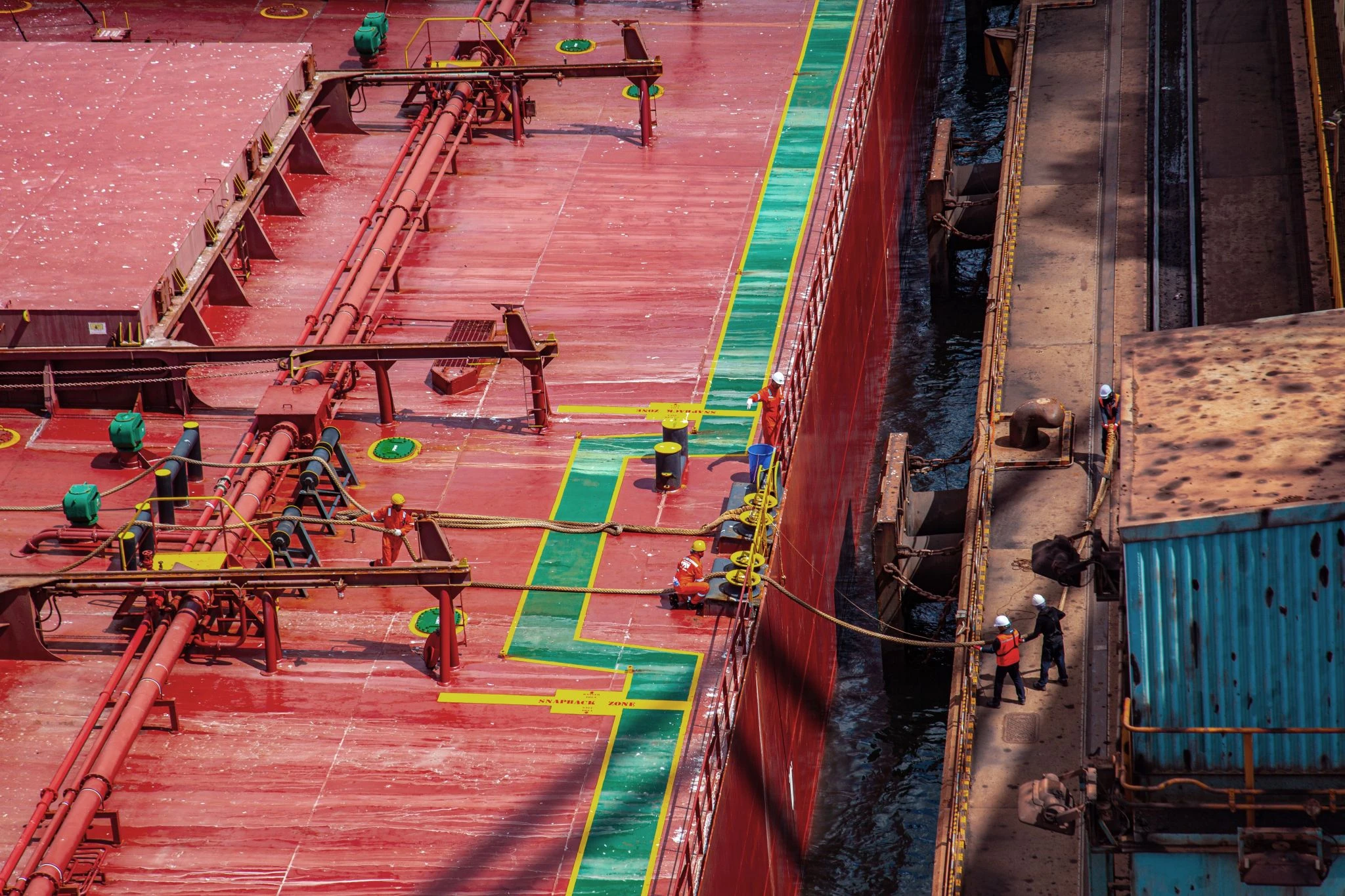
BRAZIL · BUSINESS
Key Facts
The deal: The Vale HMM charter is signed: South Korea’s HMM will haul Vale iron ore under a 4.7 trillion won (US$3.5 billion) package of 25-year contracts, the carrier announced on Tuesday.
The ships: Eight 210,000-ton Newcastlemax bulk carriers, each on its own 25-year contract starting in 2030, when the vessels enter service.
The technology: World-first tri-fuel engines able to burn methanol, ethanol and heavy fuel oil, built LNG- and ammonia-ready, plus wind-assisted “Rotor Sails” to cut fuel burn and emissions.
The context: It is HMM’s third major Vale contract after two 10-year agreements signed in May and September 2025, and part of a 20-ship tri-fuel program Vale is splitting among three Asian owners.
The corridor: Brazil-to-Asia is the world’s longest bulk trade route; Vale sells about half of its output to Chinese steel mills.
Live tonight
Brazil’s runoff, live
The official TSE count for Flávio Bolsonaro and Lula, updated every minute (voting closed at 7 p.m. Brasília, 6 p.m. ET).
Brazil runoff polls · Polymarket and Kalshi odds · When results come · Brazil election poll data (CSV)
Prediction markets · who wins the runoff
Implied chance of winning Brazil’s presidency on 25 October, from traders’ prices.
Polymarket
Flávio Bolsonaro – · Lula – (US$249 million traded)
Kalshi (regulated in the US by the CFTC)
Flávio Bolsonaro 0.4% · Lula 99.6%
As of 25 October, 11:40 pm ET (03:40 Lisbon), updated every 20 minutes. Prices are bets, not polls, and can move fast.
Why we show this: prediction markets turn real-money bets into a live probability that moves within minutes of the news, which is why investors, campaigns and newsrooms in the United States now follow them closely. We show them next to polls and official results, never instead of them.
Vale is locking in a quarter-century of shipping capacity on its lifeline to China. The Vale HMM charter — US$3.5 billion for eight tri-fuel ore carriers from 2030 — ties the Brazilian miner’s export machine to one of the greenest bulk fleets yet ordered.
Eight ships, 25 years, from 2030
HMM said on Tuesday, September 8, that it had signed the long-term shipping contract with Vale valued at 4.7 trillion won (US$3.5 billion). Under the agreement, the South Korean carrier will deploy eight 210,000-deadweight-ton Newcastlemax bulk carriers, each operating under its own 25-year contract beginning in 2030, when the newbuildings are delivered.
The structure is remarkable even by the standards of iron ore shipping, where long charters are common: 25 years per vessel means the ships are effectively dedicated to the Brazil–Asia ore trade for their entire commercial lives. TradeWinds described the package as the largest of its kind in the dry-bulk market’s recent memory.
“This contract reaffirms our strong partnership with a major global shipper,” an HMM official said. “We plan to reinforce our stable revenue base and pivot toward high-profit, future-growth business segments by expanding long-term contracts and restructuring our portfolio.”
World-first tri-fuel engines and rotor sails
The Newcastlemax vessels will be the first in the world with tri-fuel engines capable of running on methanol, ethanol and conventional heavy fuel oil. They will also be built “LNG- and ammonia-ready,” allowing conversion to those fuels later, and equipped with wind-assisted propulsion in the form of Rotor Sails — spinning cylinders that use the Magnus effect to supplement engine power and cut fuel consumption.
The fuel choice is tailored to the trade: ethanol is abundant in Brazil, methanol is scaling up as a marine fuel in Asia, and heavy fuel oil remains the fallback everywhere. For Vale, which has pledged to slash shipping emissions across its value chain, the design offers a credible decarbonization path on its highest-volume route without betting on a single fuel.
Live Company IntelligenceVale SA ADR — the full investor dossier
Wall Street view
Valuation & profitability
Price & risk
$10.5952-wk high
$17.44
Revenue trend · 6y
Ownership
Dividend
Vale’s 20-ship program and the Brazil–Asia corridor
The HMM contract is one slice of a wider fleet renewal. Vale has selected three Asian shipowners to build and operate 20 tri-fuel Newcastlemax carriers: HMM takes eight, South Korea’s Polaris Shipping six and China’s Shandong Shipping six, industry reports show. HMM has disclosed a newbuilding order for its eight vessels at about US$105 million each, a total shipyard outlay of roughly US$843 million; the builder has not been named.
The economics of the corridor explain the commitment. Brazil-to-China is the longest-haul bulk trade in the world — roughly three times the sailing distance of Australia-to-China — and Vale, the world’s largest iron ore producer, ships the bulk of its more than 300 million tons of annual output to Asian steel mills, with China alone accounting for about half of its revenue. Freight costs are a competitive lever against Australian rivals, and fuel-efficient ships directly lower the delivered cost of Brazilian ore.
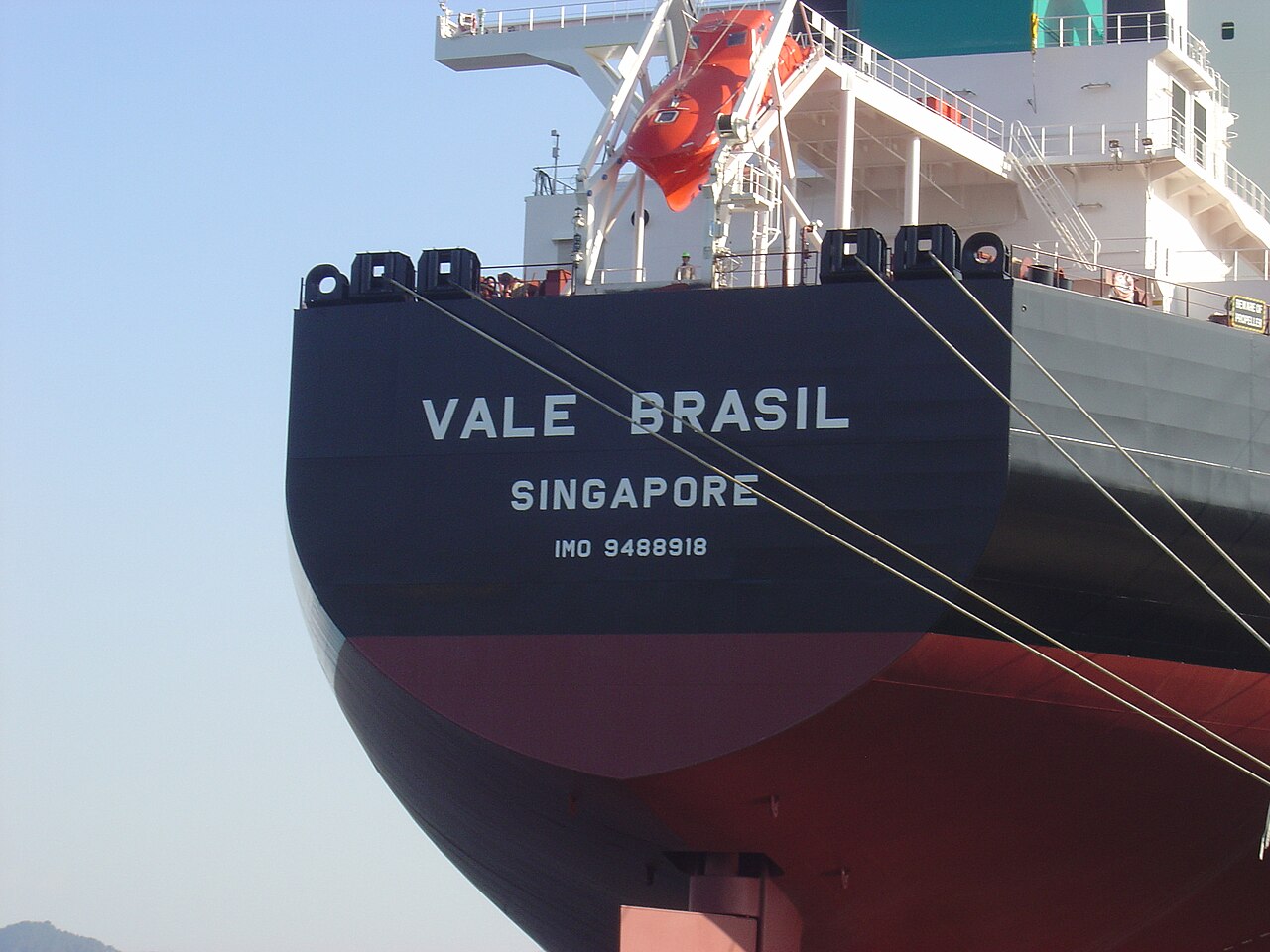
Why HMM is buying bulk stability
For HMM, the deal is strategy, not just volume. The company’s core container business is facing a long downcycle as pandemic-era capacity delivers into soft demand, and management has been diversifying into contract-backed bulk and tanker segments where revenue is fixed for years. Its bulk fleet grew from 34 vessels in 2023 to 49 by September 2025, alongside fresh orders for large container ships and two very large crude carriers.
Vale has become the anchor customer of that pivot. HMM signed two 10-year transport contracts with the miner in May and September 2025, worth about 636 billion won (about US$470 million) and 430 billion won (about US$320 million) respectively. The new package dwarfs both and stretches the relationship to 2055 — a guaranteed revenue line that lenders can finance against, insulating HMM from spot-rate swings.
Why Vale locks in freight — and deepens its China ties
For Vale, the charter secures modern tonnage on its critical route at predictable cost through mid-century, while outsourcing the US$800-million-plus shipbuilding bill and the fuel-technology risk to owners. The tri-fuel design also hedges regulatory pressure: global shipping rules on carbon are tightening through the 2030s, and vessels able to switch fuels preserve their charter value.
The shipping deal lands in the same week Vale said it is preparing its debut in China’s bond market, a possible first panda bond sale still in 2026, as The Rio Times reported on Thursday. Together, the moves show how deeply the miner is wiring its balance sheet and its logistics into the Chinese demand that buys half of what it digs.
Vale HMM charter: what to watch next
Three markers will show whether the program stays on track: the naming of the shipyard for HMM’s eight Newcastlemax newbuilds; parallel contract announcements from Polaris Shipping and Shandong Shipping for their six vessels each; and the first steel-cutting dates, which will determine whether the 2030 delivery window holds. For Brazil, each hull that enters service from 2030 locks in lower freight emissions and steadier costs on the export corridor that carries the country’s most valuable commodity.
More: Brazil news, every day from The Rio Times.
Frequently Asked Questions
What is the Vale HMM charter deal?
South Korean carrier HMM signed a 4.7 trillion won (US$3.5 billion) package of 25-year contracts to haul Vale iron ore with eight new 210,000-ton Newcastlemax bulk carriers, each chartered for 25 years from 2030.
What is special about the ships?
They will be the world’s first bulk carriers with tri-fuel engines able to run on methanol, ethanol and heavy fuel oil, built LNG- and ammonia-ready, and fitted with wind-assisted Rotor Sails to cut fuel use and emissions.
Who else is building ships for Vale?
Vale’s 20-vessel tri-fuel program is split among three Asian owners: HMM with eight ships, Polaris Shipping with six and Shandong Shipping with six. HMM’s eight are being built at about US$105 million apiece.
Why does the Brazil–Asia route matter?
It is the longest bulk trade corridor in the world, linking the mines of the world’s largest iron ore producer to Chinese steel mills that buy about half of Vale’s output. Freight efficiency there shapes Vale’s competitiveness against Australian miners.
Is this HMM’s first contract with Vale?
No. It is the third major deal, after two 10-year agreements signed in May and September 2025 worth about 636 billion won (about US$470 million) and 430 billion won (about US$320 million).
Sources: The Korea Herald; The Korea Economic Daily; TradeWinds; New Ships Orderbook; iMarineNews; Money Today. Currency conversions use market rates on September 10, 2026: about 1,345 won per US dollar (Yahoo Finance).
Connected Coverage
Follow developments across the region on our Latin America hub.
This article was produced by The Rio Times’ automated newsroom system. How we use AI · Report an error · Editorial responsibility: Matthias Camenzind, Editor-in-Chief
LatAm Markets: Live Signals → — real-time movers, turnover leaders and FX across Latin America.