Uruguay Airline Incentive Pays US$20 for Every Extra Tourist
URUGUAY · TOURISM
Key Facts
- —The scheme Uruguay will pay airlines about US$20 for every additional foreign tourist they fly in, versus the same period a year earlier.
- —The cap The fund is limited to US$2.5 million a year, split evenly between the Tourism Ministry and Aeropuertos Uruguay.
- —New routes A separate stimulus rewards international routes not operated in the previous 12 months, flown for at least six consecutive months.
- —The duration One year initially, extendable for up to four.
- —The context Tourism has brought in more than US$2 billion a year for three straight years, over 13 percent of Uruguay’s exports.
- —Also announced A full-season zero-VAT regime for non-residents on dining, car rental and event services, at an estimated fiscal cost of US$14 million.
Uruguay is done waiting for airlines to add seats. It will now pay them, per head, for every extra foreign tourist they deliver.
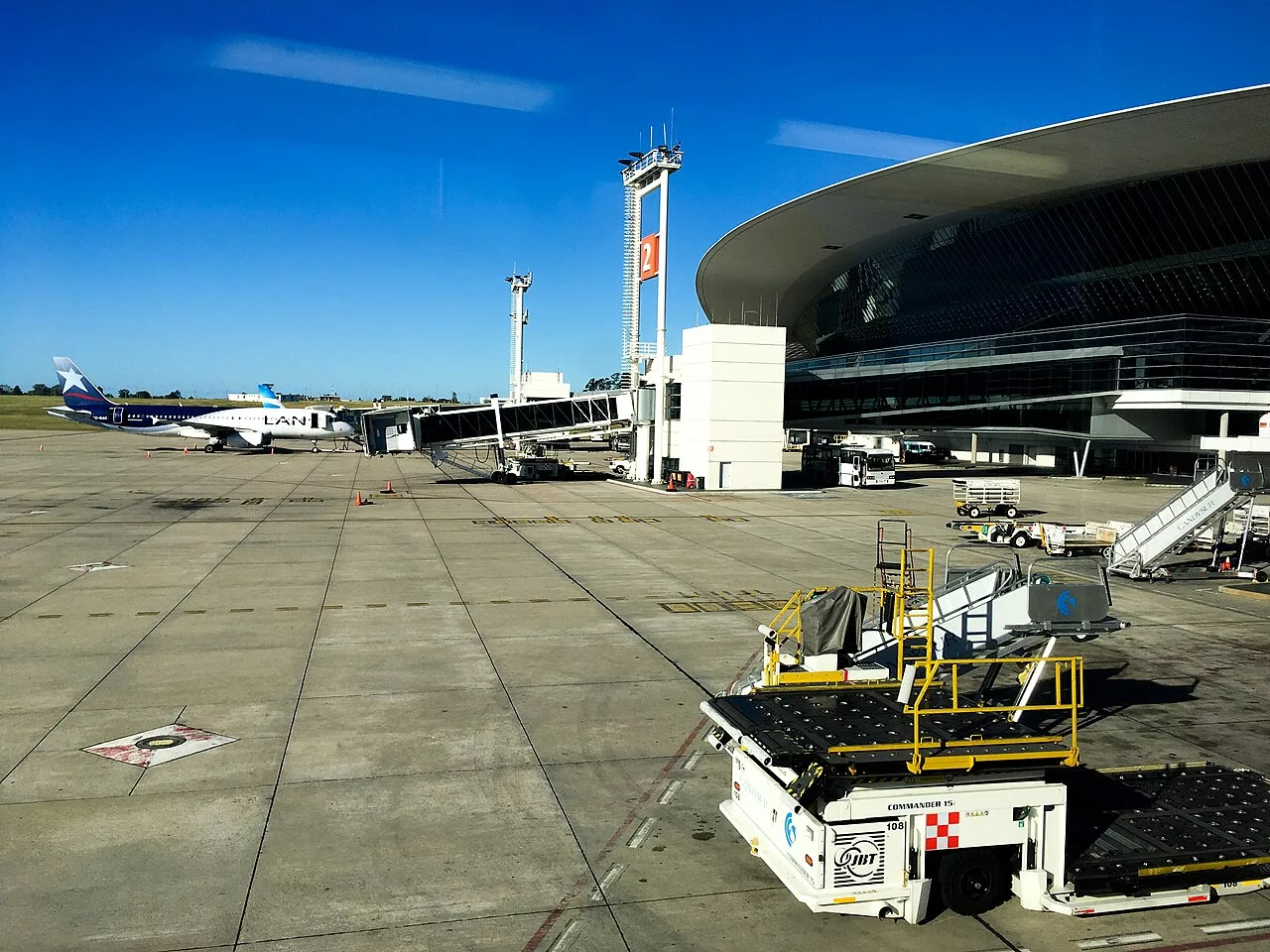
Uruguay’s Tourism Minister, Pablo Menoni, announced the airline incentive on 9 September at a working lunch of the ADM marketing association in Montevideo: a cash payment of roughly US$20 for every incremental foreign passenger an airline brings to the country.
The announcement activates Article 308 of the 2025-2029 budget law, which created the authority for an air-connectivity incentive but had never been regulated. With the executive’s regulation now in place, the scheme is operational.
How the Payment Works
This is not a flat subsidy. The rebate is tied to growth: an airline earns about US$20 for each foreign tourist above the number it carried in the same period of the previous year. A carrier that simply repeats last year’s traffic earns nothing; one that adds passengers is paid per head added. The year-on-year comparison is meant to reward genuine growth rather than pay airlines for traffic that would have come anyway.
The money comes from a joint fund financed in equal parts by the Ministry of Tourism and Aeropuertos Uruguay, the private airport concessionaire — an arrangement that makes the airport operator a direct co-investor in filling its own terminal. The fund is capped at US$2.5 million a year.
Eligibility is broad. National or foreign companies operating regular international services to Uruguay, authorized by the civil aviation authority Dinacia, can participate as long as they contribute to growing inbound tourism by air. The regime runs for one year, with the option to extend for up to four, and the government has said it will monitor results and adjust the instrument if needed.
A Second Lever for New Routes
Alongside the per-passenger payment, the regulation sets out a stimulus for genuinely new international routes. To qualify, a route must not have operated regularly during the previous 12 months, must have a published schedule and must run for at least six consecutive months in the year.
The declared goals go beyond raw arrivals: more frequencies and competition, shorter travel times and costs, and a better spread of tourism across the calendar and the territory. For a country whose visitor economy leans heavily on the southern-hemisphere summer and on Argentine and Brazilian neighbors, desestacionalizar — smoothing the season — is the operative word.
Part of a Bigger Push
Menoni paired the airline scheme with an extension of the zero-VAT regime for non-residents: full exemption, for the whole season, on restaurant spending, car hire without a driver and event services. He estimated the fiscal cost of that waiver at about US$14 million, and announced a joint working group of the Tourism Ministry, the economy ministry and the tourism chamber to examine sector competitiveness.
The numbers he presented explain the urgency. Tourism exports have exceeded US$2 billion a year for three consecutive years and now represent more than 13 percent of everything Uruguay sells abroad. Jobs linked to the sector rose from about 102,000 in 2024 to more than 134,000 in 2025, according to his figures. The 2025-2026 season brought 1,301,913 tourists and US$928 million in foreign currency, with spending up about 3 percent on the previous season.
Promotion is being retargeted as well. Uruguay spends around US$4 million a year on destination marketing and is now aiming beyond the region — Miami, New York, Barcelona, Madrid, the wider European market, the United Kingdom, Germany and Asia — under a more flexible brand concept the minister framed as “Uruguay Sorprende,” succeeding the long-running “Uruguay Natural.”
Why Pay Per Tourist
Air connectivity is the binding constraint for long-haul visitors to Uruguay. Almost every extra-regional tourist arrives by plane, and airlines decide capacity on cold arithmetic: expected revenue per seat against what the same aircraft would earn elsewhere on its network. A per-passenger rebate shifts that arithmetic at the margin, and the incremental design means the state pays only for growth it can verify.
The cap keeps the fiscal exposure small — US$2.5 million a year against a sector exporting more than US$2 billion. Whether it moves route decisions at the big carriers is the open question the first year is designed to answer; much will depend on how the ministry verifies the incremental passenger and on how many airlines actually file claims. What the scheme has already done is signal that Montevideo will bid for flights rather than wait for them.
More: Uruguay news in English, every day from The Rio Times.
This article was produced by The Rio Times’ automated newsroom system. How we use AI · Report an error · Editorial responsibility: Matthias Camenzind, Editor-in-Chief