Uganda EACOP Pipeline Lawsuit Opens in UK Court
Africa · Eastern
Key Facts
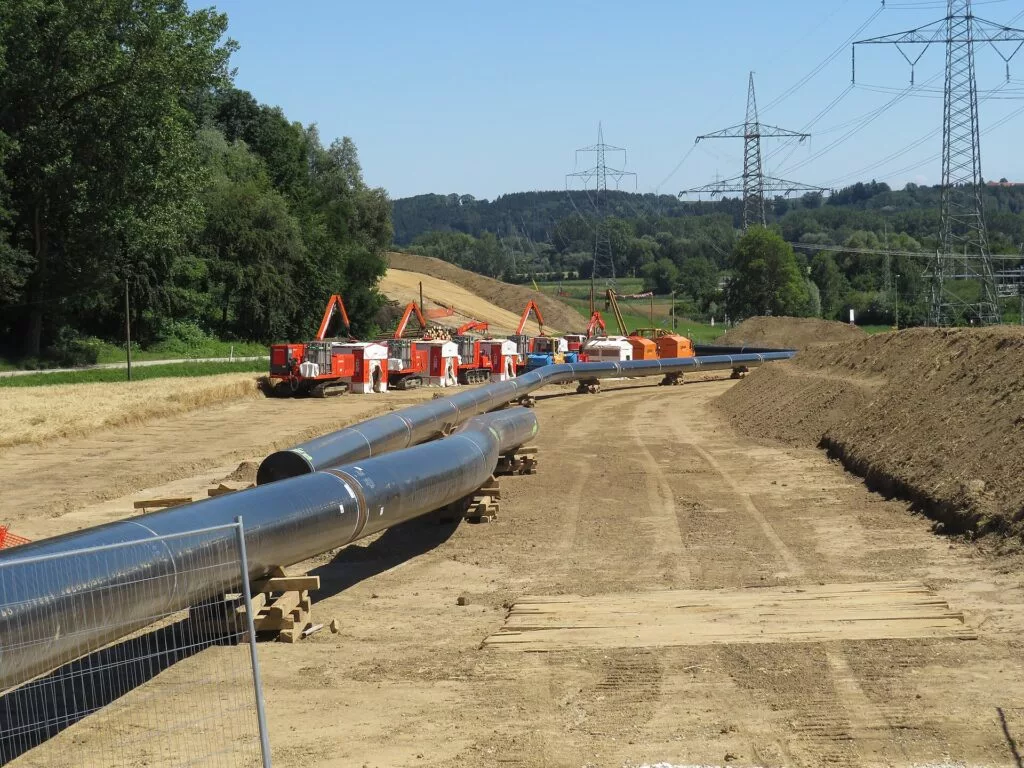
—The project. The East African Crude Oil Pipeline is a 1,443-kilometre heated pipeline valued at roughly $5.6 billion.
—The plaintiffs. Four Ugandan smallholder farmers filed the case in London, backed by over 40,000 crowdfunding contributors through Avaaz.
—The defendant. EACOP Ltd, a special-purpose company incorporated in England and Wales in 2022 to build and operate the pipeline.
—The legal strategy. The farmers ask a UK court to apply Ugandan constitutional and environmental law to a British-registered company.
—The stakes. More than 100,000 people have been affected by land acquisition, and projected lifetime emissions could reach 379 million tonnes of CO₂.
Four Ugandan farmers have launched a landmark EACOP pipeline lawsuit in London’s High Court, seeking to block the $5.6 billion project before it begins transporting crude oil from Lake Albert to Tanzania’s coast.
A novel legal strategy unfolds in London
The case was filed in early July 2026 against EACOP Ltd, a company incorporated in England and Wales specifically to construct and operate the pipeline. The plaintiffs are four smallholder farmers whose land lies directly along the pipeline route.
Their lawyers describe this as the first attempt to apply Ugandan constitutional and environmental law to a British company in a UK court. They argue the project violates Uganda’s National Environment Act 2019 and National Climate Change Act 2021.
The farmers seek an injunction preventing EACOP from transporting oil. They also want orders to halt operations if the pipeline becomes active while the case is pending, plus compensation under Ugandan law.
The $5.6 billion project at the centre of the EACOP pipeline lawsuit
The East African Crude Oil Pipeline stretches roughly 1,443 kilometres from Uganda’s Lake Albert oil fields to the Tanzanian port of Tanga. It is designed as the world’s longest heated crude pipeline, needed to keep Uganda’s waxy oil fluid enough to flow.
TotalEnergies holds approximately 62 percent of EACOP Ltd. China National Offshore Oil Corporation, the Uganda National Oil Company and the Tanzania Petroleum Development Corporation own the remaining stakes.
Construction is reported to be over 75 percent complete, with operations expected to begin late this year or in 2027. The project cost has climbed from $3.5 billion at final investment decision in February 2022 to roughly $5.6 billion today.
Human cost: displacement, livelihoods and alleged rights violations
More than 100,000 people in Uganda and Tanzania have been affected or displaced by land acquisition and route clearance. Many are smallholder farmers who depend on subsistence agriculture and local markets.
The plaintiffs allege they lost homes and farmland with insufficient and delayed compensation. Broader campaigns have also documented reports of intimidation against residents and activists opposing the project.
The farmers contend that EACOP violates rights guaranteed under Uganda’s constitution, including the right to a clean and healthy environment. Their claim frames these harms as directly linked to the pipeline’s construction and planned operation.
Climate emissions and environmental risk enter the courtroom
The petition filed in London states EACOP could generate more than 370 million tonnes of CO₂-equivalent emissions over its lifetime. An independent analysis by the Climate Accountability Institute estimates roughly 379 million tonnes over 25 years, including end-use combustion.
That figure is more than 58 times Uganda’s current annual emissions. At peak, it would more than double the combined annual emissions of Uganda and Tanzania.
The pipeline route also crosses critical freshwater systems, including the Lake Victoria basin, which supplies water to about 40 million people. It traverses roughly 230 rivers and cuts through 44 protected areas, raising spill risks and biodiversity concerns.
Great-power dynamics and the financing squeeze
The EACOP pipeline lawsuit sits at the intersection of African resource politics, European climate activism and Chinese energy interests. A senior figure at the African Energy Chamber has already condemned the London case as a form of “colonialism 2.0,” arguing foreign courts are undermining African governments’ sovereign right to develop resources.
Supporters of the case frame it instead as a response to global-north companies extracting profit from global-south communities with insufficient regard for environmental and social impacts. This debate reflects a broader North-South fault line over energy development and climate responsibility.
Years of activist pressure have already pushed at least 14 international banks, including three major French lenders, to refuse financing for the pipeline. That squeeze has increased reliance on state-backed and non-Western funding, elevating the strategic importance of CNOOC’s involvement and the legal outcomes in London and Paris. As explored in our pillar Africa: The New Scramble, such contests over critical infrastructure are reshaping how global powers engage with the continent.
What the case means for multinationals and cross-border litigation
The farmers’ strategy reflects a growing trend of using courts in corporate home jurisdictions to hold multinationals accountable for overseas operations. If the UK High Court accepts Ugandan law as the basis for liability against a British company, it could set a far-reaching precedent.
Such a ruling would open the door for similar cross-border environmental and human-rights litigation involving African projects run by European or global firms. A rejection would reinforce limits on using UK courts for foreign environmental disputes, but the reputational damage to the project would remain significant.
The plaintiffs’ lawyers state the case goes to the heart of the project’s commercial viability. An injunction could stop oil transport altogether, undermining TotalEnergies’ core investment and the revenue expectations of Uganda and Tanzania.
What to watch next
The High Court will first need to decide whether it can apply Ugandan law to a UK-registered company for harms occurring entirely in East Africa. That jurisdictional question alone could take months to resolve.
Meanwhile, construction continues and the pipeline moves closer to operational readiness. Tanzania has already reported roughly 50 billion Tanzanian shillings, about $19.5 million, in taxes and levies from the project so far.
For investors and energy majors watching from Brazil and across Latin America, the case offers a clear signal. Courts in London and Paris are increasingly willing to entertain claims that link overseas fossil-fuel projects to domestic climate and human-rights laws.
Connected Coverage
Frequently Asked Questions
Why are Ugandan farmers suing in a UK court instead of in Uganda?
The defendant, EACOP Ltd, is a company incorporated in England and Wales. The farmers’ legal team argues that a UK court can therefore apply Ugandan environmental and constitutional law to this British-registered entity.
This novel strategy aims to hold a multinational accountable in its home jurisdiction for alleged harms occurring in East Africa.
What is the East African Crude Oil Pipeline and who owns it?
The East African Crude Oil Pipeline is a 1,443-kilometre heated pipeline designed to transport Uganda’s waxy crude from the Lake Albert region to Tanzania’s port of Tanga. TotalEnergies holds roughly 62 percent of the project company, with CNOOC, the Uganda National Oil Company and the Tanzania Petroleum Development Corporation holding minority stakes.
The project is valued at approximately $5.6 billion.
What could this EACOP pipeline lawsuit mean for other energy projects in Africa?
If the UK High Court accepts Ugandan law as the basis for liability, it could set a precedent for cross-border environmental litigation against multinationals operating in Africa. This would increase legal risk for energy companies registered in the UK or Europe. A rejection would reinforce limits on using Western courts for foreign disputes, but the reputational pressure on fossil-fuel projects would persist.
Sources
Sources: EACOP Ltd; Uganda's National Environment Act 2019; Uganda's National Climate Change Act 2021.
This article was produced by The Rio Times’ automated newsroom system. How we use AI · Report an error · Editorial responsibility: Matthias Camenzind, Editor-in-Chief
LatAm Markets: Live Signals → — real-time movers, turnover leaders and FX across Latin America.