U.S. Proposes 25% Tariff on Brazilian Goods Over Pix and Ethanol
BRAZIL · TRADE
Key Facts
—The decision. The U.S. Trade Representative found that a set of Brazilian trade practices are “unreasonable” and proposed a 25% tariff in response.
—The targets. The finding covers digital trade and electronic payments, including Brazil’s Pix instant-payment network, plus preferential tariffs, anti-corruption enforcement, intellectual property, ethanol access and illegal deforestation.
—What happens next. The proposed action is open to public comment until July 1, with a hearing set for July 6, before any tariff can take effect.
—The stakes. The U.S. imported about $42.3bn of goods from Brazil in 2024, led by fuels, iron and steel, aircraft and coffee.
—Brazil’s position. Brasília rejects the U.S. authority to act unilaterally, defends Pix as non-discriminatory, and argues the dispute belongs at the World Trade Organization.
Nearly a year after Washington opened its case, the U.S. has put a number on it — a proposed 25% duty that would reopen a trade fight with Latin America’s largest economy just months after an earlier tariff war eased.
Washington proposes a 25% duty on Brazilian goods
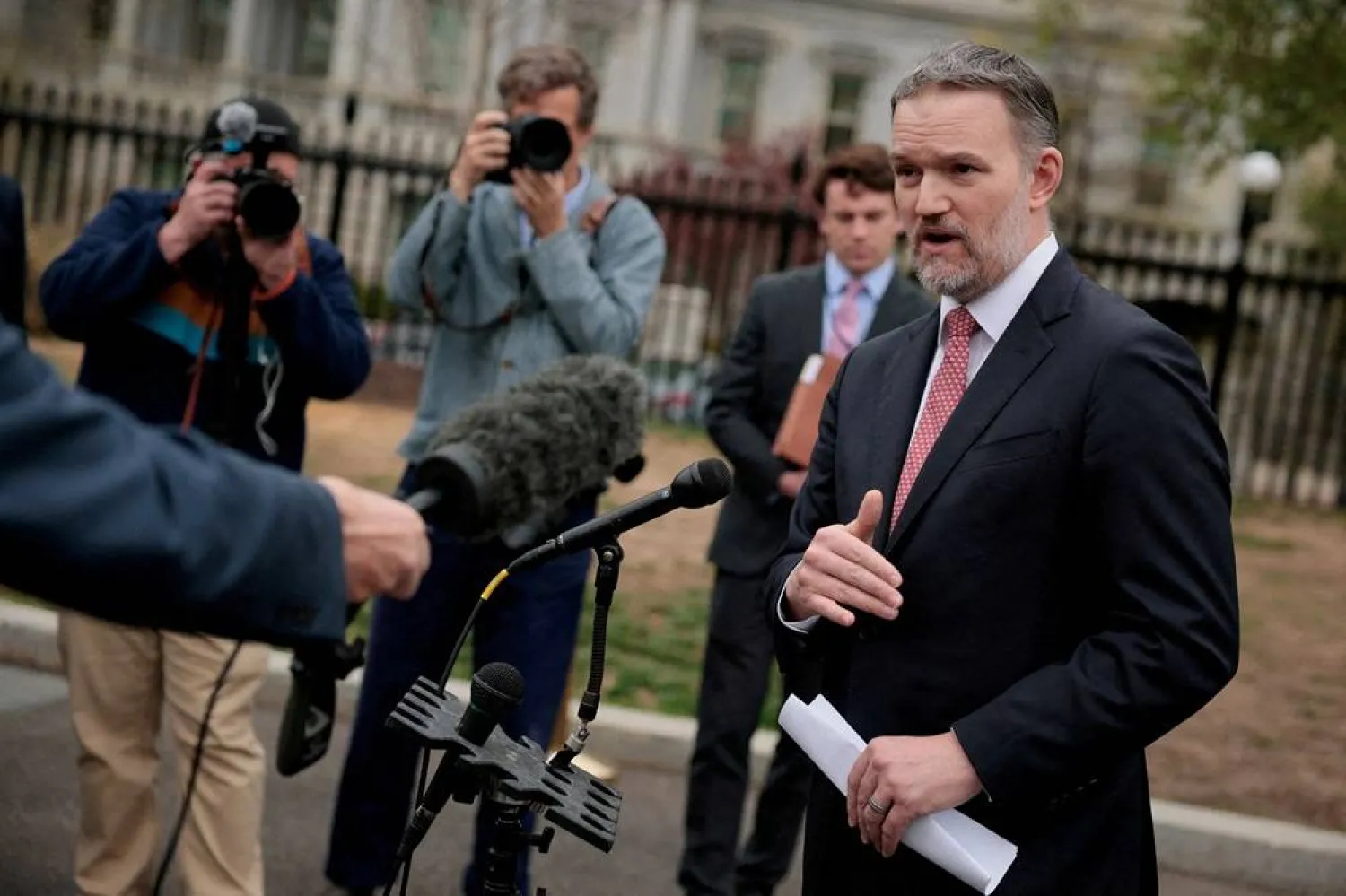
The Office of the U.S. Trade Representative determined on Tuesday that a range of Brazilian acts, policies and practices are “unreasonable” and burden U.S. commerce, and proposed a 25% tariff in response under Section 301 of the Trade Act of 1974. The agency said it would continue to engage with Brazil to seek a resolution even as it published the proposed action for comment. U.S. Trade Representative Jamieson Greer said he launched the case at President Donald Trump’s direction to address what he called longstanding U.S. concerns.
The proposed tariff is not yet in force. The public has until July 1 to submit written comments, and the agency scheduled a hearing for July 6, with requests to appear due June 22. Section 301 requires those procedural steps before any duties can be imposed, and the agency must decide on the final action within 30 days of its determination.
Six findings, from Pix to deforestation
The determination spans six areas. On digital trade and electronic payments, the agency singled out Pix, the instant-payment system run by Brazil’s central bank that is now used by most Brazilian adults and processes the bulk of the country’s everyday transfers; U.S. officials argue Brazil favours its own platform. The finding also faults Brazil for extending lower, preferential tariffs to hundreds of Mexican and Indian goods, for insufficient anti-corruption and intellectual-property enforcement, and for failing to give U.S. ethanol reciprocal access after dropping near duty-free treatment in 2017.
The sixth area is illegal deforestation. The agency argued that Brazil has a legal framework to combat it but has historically failed to enforce it, allowing agricultural and timber goods grown on illegally cleared land to undercut U.S. producers. Together, the six findings echo the complaints the agency first laid out when it opened the investigation in July 2025.
A new layer on an uneasy trade relationship
The proposed duty would land on top of measures already in place. Brazil was among the economies hardest hit during the 2025 tariff escalation, when U.S. duties on many of its exports reached as high as 50%, before a broad reset earlier in 2026 cut the effective rate. The U.S. imported roughly $42.3bn of Brazilian goods in 2024, including about $8.5bn of fuels and $4.7bn of iron and steel, alongside aircraft, coffee, wood and wood pulp — categories that would feel a 25% charge most directly.
In Brasília, Finance Ministry officials have said they are working to give Washington information on the issues under review, including deforestation and the effects of Pix, while voicing concern about the prospect of fresh tariffs. The Finance Ministry’s executive secretary, Dario Durigan, said this week that Brazilian authorities remain open to talks with U.S. counterparts but that no meeting was yet scheduled.
How Brazil is responding
Brazil has consistently rejected the basis for the case. In a lengthy rebuttal filed during the investigation, the government argued that only the World Trade Organization has authority to settle such disputes and called Section 301 a unilateral instrument inconsistent with multilateral rules. It defended Pix as open and non-discriminatory, maintained that its ethanol market is not closed, and disputed the characterisation of its environmental enforcement. Brazilian officials have framed the broader pressure — which has at times been tied publicly to U.S. concerns over criminal factions and the Pix system — as political as much as commercial. The comment period and July hearing now become the venue where both arguments will be tested before any tariff is set.
Frequently Asked Questions
What did the U.S. propose on June 2, 2026?
The U.S. Trade Representative made a Section 301 determination that several Brazilian trade practices are unreasonable and proposed a 25% tariff on Brazilian goods in response.
Is the 25% tariff in effect now?
No. It is a proposed action open to public comment until July 1, with a hearing on July 6. Any final tariff would come after those steps.
Why is Pix part of the case?
Pix is Brazil’s central-bank instant-payment system. U.S. officials argue Brazil gives its own platform preferential conditions; Brazil says Pix treats all operators equally.
How is Brazil responding?
Brazil rejects the U.S. authority to act unilaterally and argues the World Trade Organization is the proper forum, while saying it remains open to dialogue.
Connected Coverage
For background, see our earlier reports on Washington’s focus on Pix and the low-value import tax and how Brazil gained from the earlier U.S. tariff reset.
This article was produced by The Rio Times’ automated newsroom system. How we use AI · Report an error · Editorial responsibility: Matthias Camenzind, Editor-in-Chief