U.S. Expands Immigration Checks to Target Anti-American and Antisemitic Activity
The United States government has announced a new policy that places ideology at the center of immigration vetting.
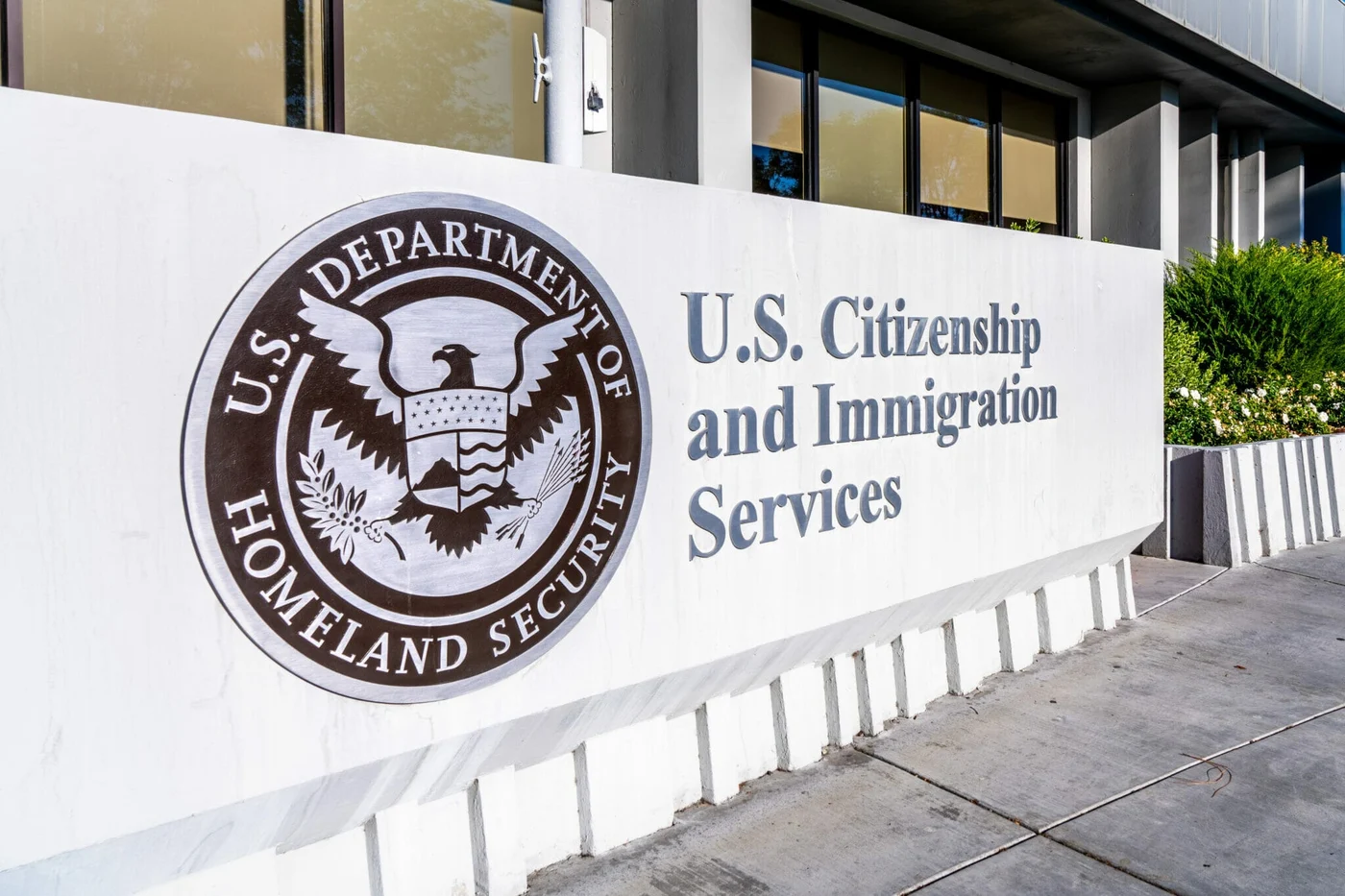
The U.S. Citizenship and Immigration Services (USCIS) confirmed in August 2025 that officers will now consider “anti-American” and antisemitic activity as negative factors when reviewing visas, green cards, or citizenship requests.
Officials stress that immigration benefits are “a privilege, not a right.” This move builds on long-standing security checks but introduces a broader, less clearly defined standard.
The agency also confirmed it has expanded the use of social media reviews. Since 2019, applicants have had to list social media accounts on visa forms, but checks now extend across more types of applications.
Some embassies have told student applicants that private accounts must be made accessible to officials for review. At the same time, the State Department reports it revoked more than 6,000 student visas this year.
About two-thirds of the cases involved crimes such as burglary, assault, or driving under the influence. Another 200 to 300 cases were tied to terrorism-related concerns. Officials say these figures show the scale of enforcement that supports the new rules.
U.S. Tightens Visa Rules on Ideology and Anti-American Activity
The policy has historical echoes. The U.S. once barred anarchists, communists, and other ideological groups under laws from the early 20th century through the Cold War.
Most of those exclusions were repealed in 1990, but party membership in communist or totalitarian movements still remains a ground for denial.
The new “anti-American activity” standard revives this kind of screening, though it operates as a discretionary judgment rather than a strict legal ban.
Officials argue the measures are necessary to protect the country from people who may enjoy U.S. benefits while opposing its security.
Critics warn that “anti-American” is vague and could allow immigration officers to treat political expression as a threat. Civil rights groups stress that the line between opposing U.S. policies and engaging in harmful activity is not clear.
The inclusion of antisemitism reflects the close U.S.–Israel partnership. Washington provides $3.8 billion in military aid annually under a ten-year agreement signed in 2016, but the two remain separate states.
Immigration authorities link antisemitic activity with violent extremism rather than with foreign policy. The story behind the story is that immigration vetting has now shifted from checking only for criminal or terrorist ties to examining ideology and online expression.
This matters globally because universities, businesses, and foreign workers depend heavily on U.S. visas. The new rules mean that what people post or endorse online could determine whether they are allowed to study, work, or live in the United States.
This article was produced by The Rio Times’ automated newsroom system. How we use AI · Report an error
Read More from The Rio Times