U.S.-China Trade Talks Stall: Bessent Signals Need for Trump-Xi Intervention
Treasury Secretary Scott Bessent revealed critical insights into U.S.-China trade negotiations during a recent interview, highlighting a temporary impasse.
He described the talks as “a bit stalled,” emphasizing the need for direct intervention from President Donald Trump and Chinese President Xi Jinping to resolve complex issues.
This admission underscores the high stakes of the ongoing trade war, with both nations seeking favorable terms amidst a 90-day tariff pause agreed upon in Geneva on May 12, 2025.
Bessent stressed the complexity of the negotiations, likening them to “three-dimensional chess.” He noted that the magnitude of unresolved issues, including intellectual property and fentanyl trade, requires leader-level discussions.
This point stands as the most significant, as it signals a potential escalation if top leaders fail to engage. The temporary rollback of tariffs—U.S. rates dropped from 145% to 30%, and China‘s from 125% to 10%—offers breathing room, but progress remains slow.
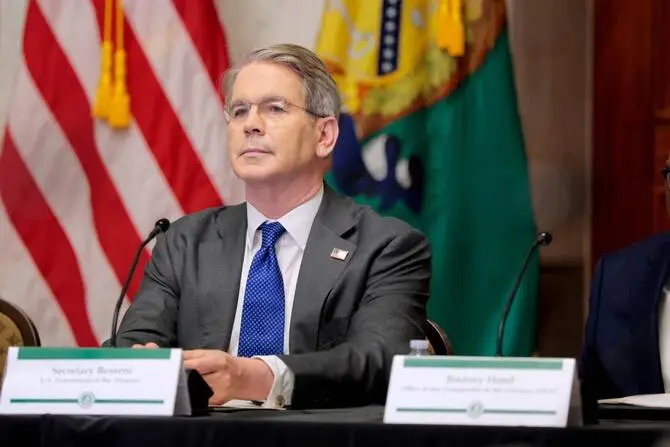
Secondly, Bessent addressed the broader trade agenda, asserting the administration’s commitment to fair trade. He dismissed concerns about judicial interference, arguing that courts overstep by challenging Trump’s tariff authority when the Senate declined to intervene.
This defense of executive power reflects a mercantile strategy prioritizing American interests, aiming to secure deals that boost tariff revenue and protect local industries.
Thirdly, Bessent expressed confidence in upcoming talks with other partners, like Japan, indicating that some deals are close to completion. He cited the EU’s rapid response to Trump’s 50% tariff threat as evidence of effective pressure tactics.
This suggests a broader strategy of leveraging tariffs to force concessions, even as China negotiations falter. Despite the stalled China talks, Bessent remains optimistic, citing a 2020 trade framework as a foundation for progress.
He also highlighted unexpected advancements, such as China’s cooperation on fentanyl precursor drugs, which he called an “upside surprise.” However, a federal appeals court’s reinstatement of tariffs on May 29, 2025, after a trade court’s rebuke, adds uncertainty to the negotiations.
The Treasury Secretary’s remarks reveal a calculated approach: apply pressure through tariffs, secure short-term pauses, and push for leader-level talks to break deadlocks.
For American businesses, this strategy promises stronger trade terms but risks prolonged uncertainty if talks collapse. With the 90-day pause ending in mid-August, the world watches as Trump and Xi’s potential dialogue could shape global trade dynamics.
This article was produced by The Rio Times’ automated newsroom system. How we use AI · Report an error
Read More from The Rio Times