U.S. Blocks 140 Chinese Tech Firms in Third Major Chip Export Ban
The global semiconductor industry reaches a critical juncture as the U.S. expands its trade blocklist to include 140 Chinese firms. This move marks the third significant wave of restrictions aimed at China’s tech sector. The decision intensifies the ongoing technological rivalry between the world’s two largest economies.
This December 2024 decision blocks China’s access to critical chip technology and manufacturing equipment. Major Chinese players like SMIC and Huawei-linked firms must now obtain hard-to-get licenses for U.S. technology.
The restrictions target high-bandwidth memory chips, essential for artificial intelligence development. These specialized chips enable rapid data processing and form the backbone of modern computing advances.
The move affects everyday technology that powers smartphones, computers, and cars. U.S. Commerce Secretary Gina Raimondo emphasized the focus on China’s domestic semiconductor development.
The rules take effect December 31, giving companies limited time to adjust their operations. The restrictions reach beyond American borders through foreign direct product rules.
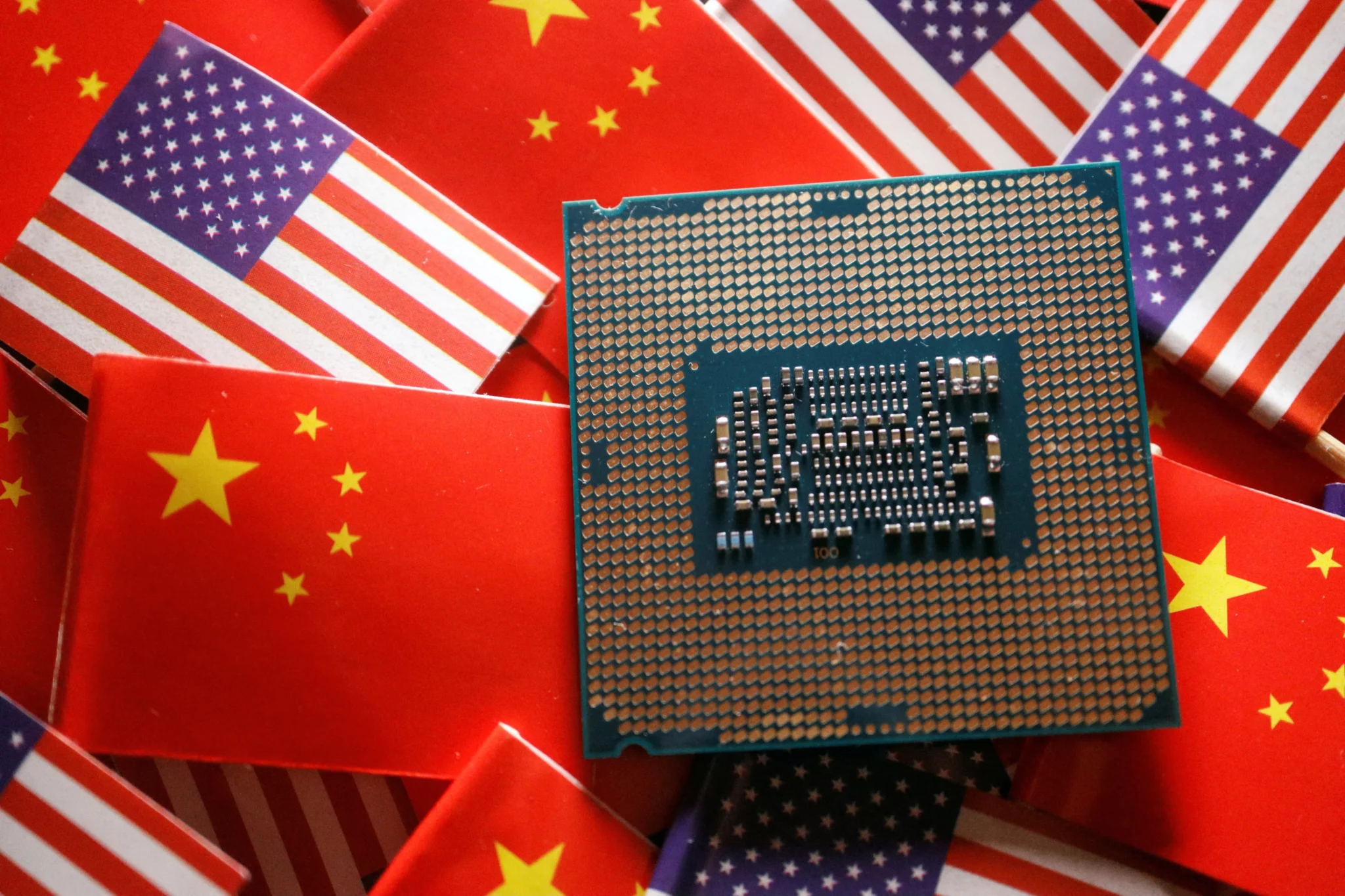
Companies in Taiwan, South Korea, and Singapore using U.S. technology must also comply. This creates a ripple effect throughout the global supply chain.
Semiconductor Industry Faces Disruption
China’s Commerce Ministry called the measures disruptive to normal trade. They argue these restrictions threaten the stability of global technology production. Chinese firms have reportedly stockpiled components in anticipation of tighter controls.
The semiconductor industry generates over $500 billion annually and supports countless technology products. These new rules could reshape how companies design, manufacture, and sell electronic devices worldwide.
The impact extends from manufacturing floors to retail shelves. Market analysts predict higher costs for consumer electronics as supply chains adjust.
Companies might need to redesign products or find alternative suppliers. This could lead to longer development times for new technology products.
The timing matters as President-elect Trump prepares to take office. The semiconductor industry now faces uncertainty about future policy changes. Companies must navigate complex regulations while maintaining competitive positions.
This policy marks a significant shift in global technology trade. It forces companies to choose sides in an increasingly divided tech world. The effects will likely influence technology development and prices for years to come.
The core issue remains control over advanced technology capabilities. As chips become more sophisticated, their role in economic and military power grows. This makes semiconductor technology a crucial factor in global strategic competition.
This article was produced by The Rio Times’ automated newsroom system. How we use AI · Report an error
Read More from The Rio Times