Trump Administration Signals Possible Sanctions Against Brazilian Justice Moraes
US Secretary of State Marco Rubio announced on Wednesday that the Trump administration is strongly considering sanctions against Brazilian Supreme Court Justice Alexandre de Moraes.
The statement came during Rubio’s testimony before the House Foreign Affairs Committee, marking a significant escalation in tensions between the US and Brazil’s judiciary.
“That is currently under consideration, and there is a strong likelihood that it will occur,” Rubio stated when asked about potential sanctions under the Global Magnitsky Act.
This law targets individuals accused of corruption or human rights violations with asset freezes and travel bans. Republican Representative Cory Mills prompted the discussion when he accused Brazil’s Supreme Court of persecuting opposition figures.
Mills specifically mentioned what he called an “imminent politically motivated arrest” of former President Jair Bolsonaro. He claimed the court’s actions extend beyond Brazil’s borders and affect individuals on American soil.
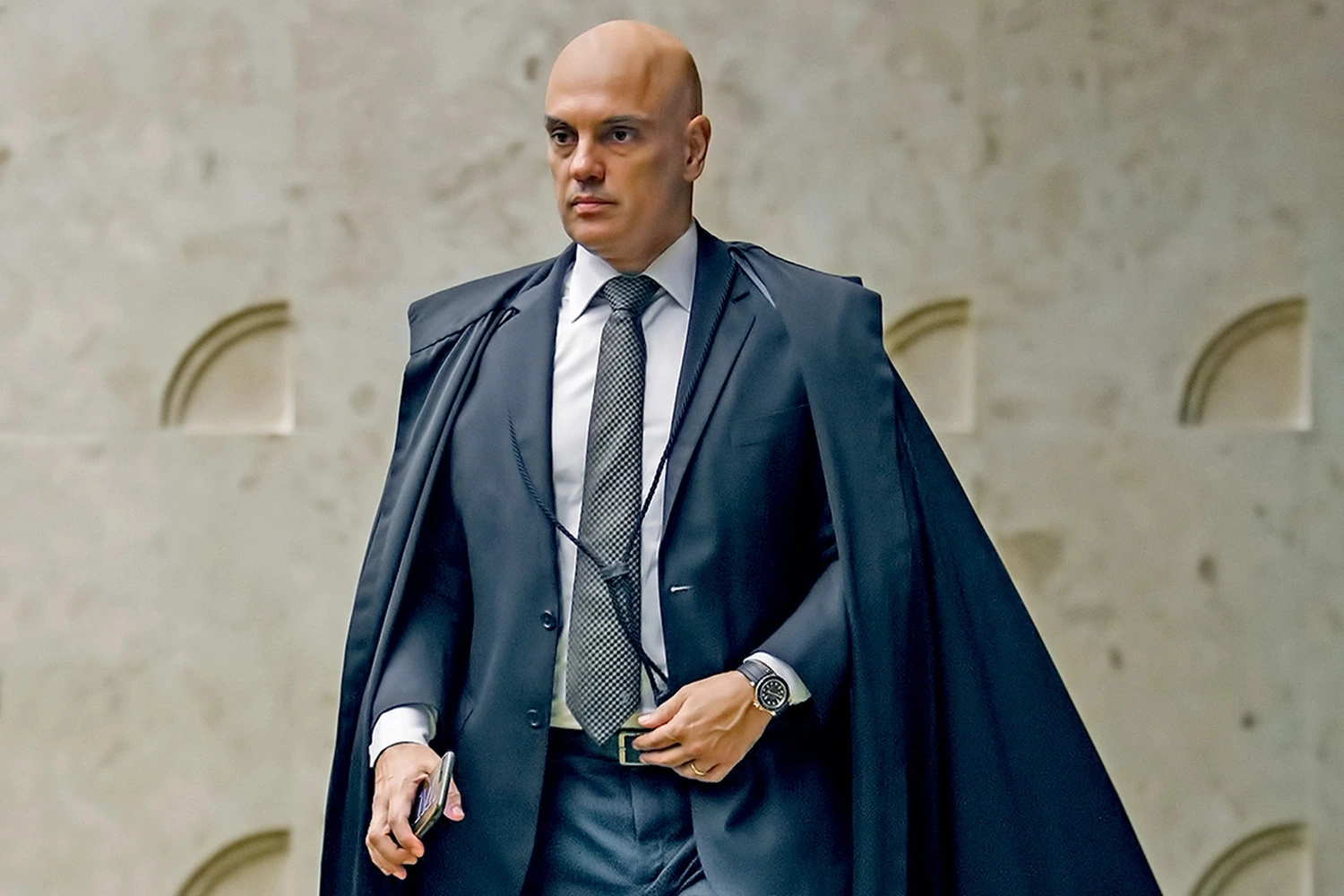
Justice Moraes has wielded extraordinary power since 2019, particularly in cases involving social media and political speech. He ordered the temporary suspension of X (formerly Twitter) in Brazil and demanded the blocking of numerous conservative accounts.
These actions triggered a lawsuit against him in US courts by Trump Media and video platform Rumble. The potential sanctions reflect growing international concern about Moraes’ judicial decisions.
Critics argue he has overstepped his authority by unilaterally ordering account suspensions and content removals without traditional due process. His defenders maintain these measures protect Brazil’s democracy from disinformation.
Former President Bolsonaro currently faces serious charges that could result in a 43-year prison sentence. The charges include leading an armed criminal organization and attempting a coup d’état after losing the 2022 election.
Moraes has been the lead justice handling these cases. “There is no doubt that the defendant Jair Messias Bolsonaro knew about, handled, and discussed the coup draft,” Moraes stated during court proceedings.
Bolsonaro’s defense team maintains the accusations lack evidence and are politically motivated. The US State Department previously criticized Brazil’s blocking of American social media platforms as “censorship” incompatible with democratic values.
This new development suggests the Trump administration may take concrete action against what it perceives as judicial overreach. For many conservative Brazilians who feel silenced under Moraes’ rulings, the potential sanctions represent hope for change.
They view his actions as systematic repression of political opposition rather than legitimate law enforcement. The situation creates a diplomatic challenge for Brazil’s government.
President Lula da Silva must navigate between defending the independence of Brazil’s judiciary and maintaining good relations with the United States, Brazil’s second-largest trading partner.
As this diplomatic tension unfolds, millions of Brazilians watch closely to see if international pressure might alter the domestic power balance that has defined their politics since 2019.
More: Brazil news in English, every day from The Rio Times.
This article was produced by The Rio Times’ automated newsroom system. How we use AI · Report an error
Read More from The Rio Times