TIM and Vivo to Share Infrastructure in Small Brazilian Cities Improving Quality of Service
RIO DE JANEIRO, BRAZIL – TIM S.A., a subsidiary of Italian-owned TIM Participações, and Spain-owned Telefônica Brasil (Vivo) signed on Monday, July 22nd, a memorandum of understanding to initiating discussions on network infrastructure sharing, according to both companies’ market announcements.
The memorandum provides for the establishment of new 4G network infrastructure sharing agreements in the 700Mhz range, aimed at cities with less than 30,000 inhabitants, which may be expanded to larger cities at a later time.
Discussions also cover 2G network sharing in the single grid model and other network sharing opportunities in other frequencies and technologies, as well as additional efficiency and cost reduction options in network operation and maintenance.
TIM and Vivo also stressed that the memorandum does not establish a joint venture or any commercial partnership or formal business relationship, nor does it build or imply any exclusive relationship between the parties.
“The companies emphasize the benefits that may result from these discussions in relation to improving the quality of service for customers of both operators, as well as the efficiency in the allocation of investments and operating costs,” they said in their respective communications.
Brazil has thousands of small localities that are served by only one operator. In addition to the infrastructure sharing, opportunities will be evaluated for efficiencies and cost reductions in operations and maintenance, such as electricity and site rentals, the companies said in a joint statement on Tuesday.
The two telcos will also assess network-sharing opportunities in other technologies.
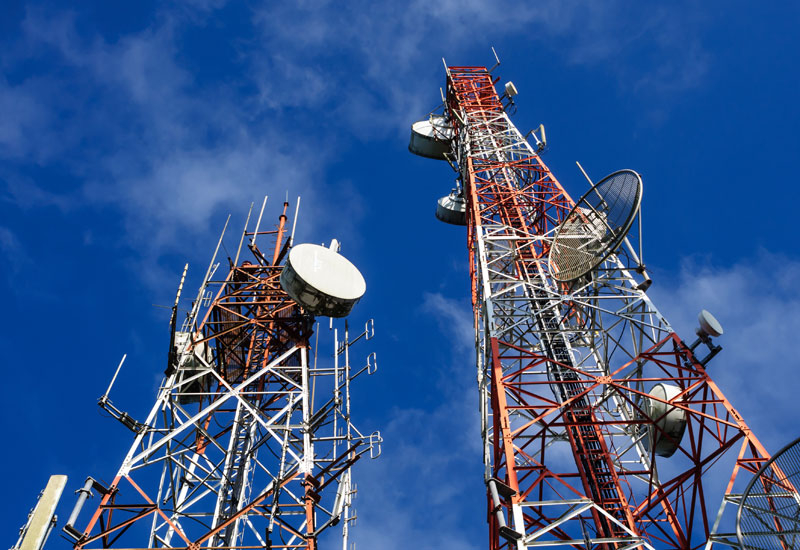
Brazil will auction the first bands for 5G next year, and there is a consensus among experts that the technology will require more antennas than previous technologies.
To the telcos, sharing is mainly an opportunity to free up capital expenditure for where it is most needed.
“At a time when demand for data is growing exponentially, we’re looking for a significant improvement in customer experience, as well as reallocating resources to new technologies such as 4G, 4.5G and fiber,” Vivo CEO Christian Gebara said in the joint statement.
“Infrastructure sharing is a crucial industry solution for the development of telecommunications in the country. This agreement represents an efficient initiative that increases the speed of network deployment, reducing the level of costs and impacts,” TIM’s president Pietro Labriola added.
The specific terms and value of the deal were not disclosed. The companies said they would jointly provide details of the sharing plan over the next ninety days before submitting it for approval by authorities.
This is not the first time the two companies have agreed to share networks. Last year, TIM and Vivo expanded a deal to share 3G infrastructure in more than 570 Brazilian municipalities. They also reached an agreement to share 450MHz in rural areas.

TIM also shares 3G networks in 700 municipalities with Claro and voice, data, and SMS in 3G and 4G in 800 localities with Oi.
Oi and TIM already had an infrastructure sharing agreement for core network and spectrum in the 2.5GHz (4G) and 1.8GHz bands. Vivo also shares parts of its network with Claro.
According to telcos association Telebrasil, Brazil had nearly 95,000 cellular antennas installed in May, a number considered insufficient considering the country’s vast size.
São Paulo is the state with the most antennas: nearly 24,000. Vivo and TIM are the leaders with 25.1% and 21.7% of sites in the state, respectively.
Vivo and TIM were already leaders in the number of municipalities covered in Brazil, and should further consolidate their leadership with this initiative.
More: Brazil news in English, every day from The Rio Times.
Editorial responsibility: Matthias Camenzind, Editor-in-Chief · Editorial standards · Report an error
LatAm Markets: Live Signals → — real-time movers, turnover leaders and FX across Latin America.