Suriname Signed Nine Cooperation Agreements With Venezuela, Then Raised a Seizure on Its Oil Assets
SURINAME · DIPLOMACY
Key Facts
- —The signing Ten documents at the presidential palace in Paramaribo on Friday: nine agreements plus a joint declaration.
- —The sectors Fisheries and aquaculture, agrifood, aviation, tourism, oil and gas, higher education, training, academic cooperation and diplomacy.
- —The wider talks Food security, livestock, trade, investment, energy, connectivity and security were also discussed.
- —The signatory President Jennifer Simons signed for Suriname.
- —The catch Simons raised a third-party seizure on Venezuelan state oil assets in Suriname, tied to Petrocaribe.
- —The status She noted proceedings continue and no final court ruling exists.
The agreements are the easy part. The awkward item was an unresolved court seizure on Venezuelan state oil assets sitting in Suriname.
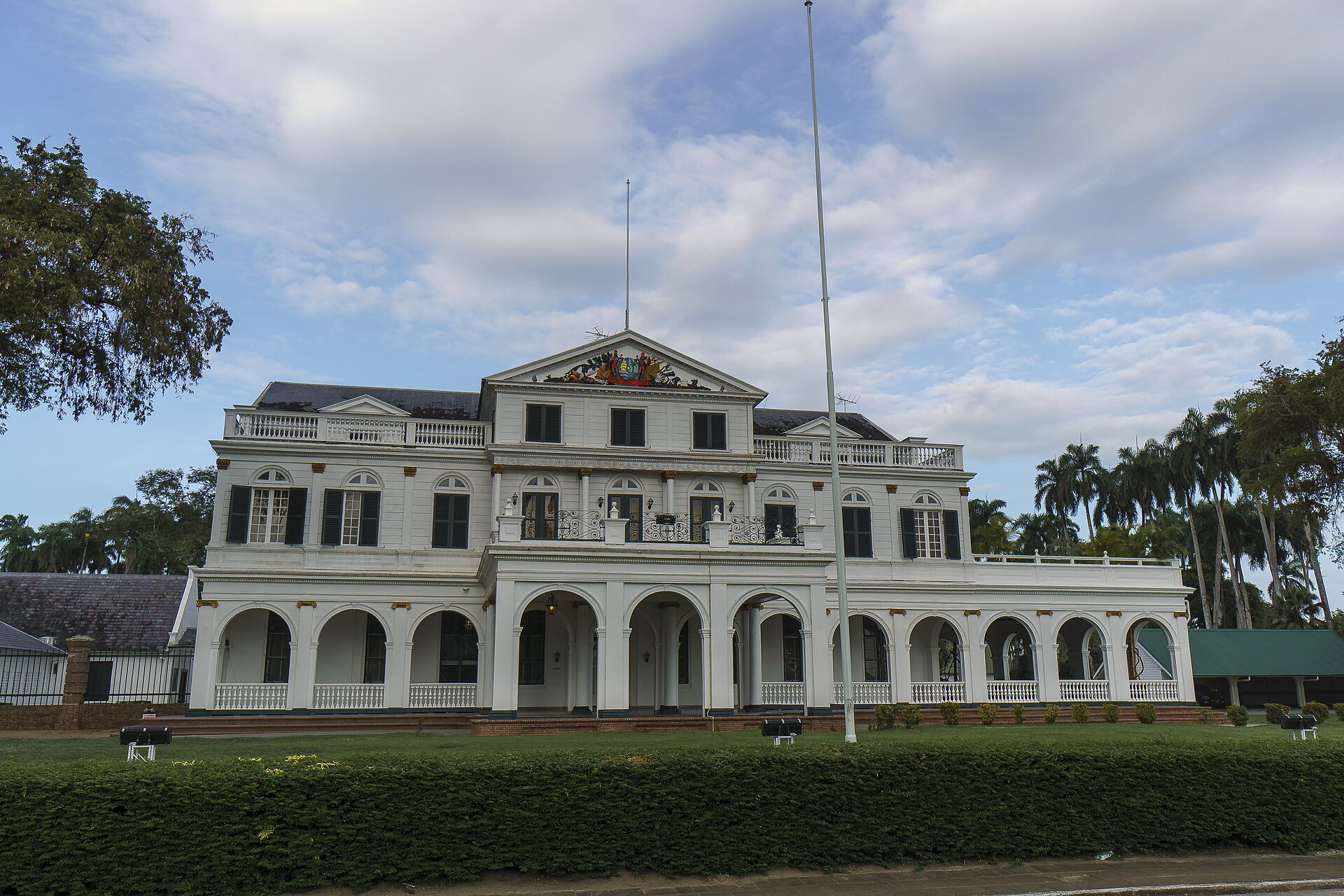
Suriname and Venezuela signed ten documents in Paramaribo on Friday. Nine are cooperation agreements and one is a joint declaration.
The signing took place at the presidential palace. President Jennifer Simons signed for Suriname.
Starnieuws reported the meeting and the list. The agreements are broad rather than deep.
What Was Signed
The nine cover fisheries and aquaculture, agrifood and productive alliances, and aviation. Tourism and oil and gas are also included.
Four concern education and training. They cover higher education, specialised training, academic cooperation and diplomatic training.
Wider discussions went further than the documents. Food security, livestock, trade, investment, energy, connectivity and security were all raised.
Cooperation agreements of this kind are frameworks rather than transactions. They create the legal basis for later projects without committing money to any of them.
The Item That Was Not Easy
Simons raised an unresolved legal matter during the meeting. It concerns an executorial third-party seizure on Venezuelan state oil assets located in Suriname.
The seizure is tied to the compensation mechanism under Petrocaribe. That was Venezuela’s programme of subsidised oil supply to Caribbean states, financed on long credit terms.
Simons noted that legal proceedings are continuing. She said no definitive court ruling exists yet.
She asked whether Venezuela had any developments to report. Both sides committed to resolving outstanding bilateral matters constructively.
Raising a seizure on the other party’s assets while signing nine agreements with them is a diplomatic balancing act. It was done in the meeting rather than around it.
What Petrocaribe Left Behind
Petrocaribe was launched in 2005 under Hugo Chávez. Caribbean states received Venezuelan oil with a large share payable over twenty-five years at low interest.
It was an instrument of influence as much as of energy policy. It also created substantial debts owed to Venezuela by small states.
As Venezuelan output collapsed the programme unwound, leaving unresolved balances in both directions. Several countries have since negotiated settlements at discounts.
The Surinamese seizure appears to arise from that history. The mechanics have not been reported in detail.
What Nine Cooperation Agreements Are Worth
Bilateral packages of this size are common in Caribbean and South American diplomacy. They are signed at almost every state visit and most produce nothing measurable.
What distinguishes a live one is a funding line or a named project. Neither has been reported here.
The fisheries and aviation items are the likeliest to produce activity. Both countries have coastline to police and air links that barely exist.
The education agreements are cheaper to honour and easier to announce. Scholarships and training places cost little and photograph well.
Why Suriname Is Signing Now
Suriname is preparing for offshore oil production of its own. Discoveries in the Guyana-Suriname basin are expected to transform state revenues before the end of the decade.
A country about to become an oil producer has reasons to talk to a country that has been one for a century. Venezuela has technical expertise even in its diminished state.
The diplomatic context has also changed. Nicolás Maduro is in American custody awaiting trial and Delcy Rodríguez has been leading the Venezuelan government since January.
Starnieuws names Rodríguez on the Venezuelan side and refers to her as president. Most outlets have described her as interim president since she was sworn in on 5 January.
Whichever title applies, the practical point is that Caracas is signing bilateral agreements again. That is a change from the position at the start of the year.
Venezuela spent much of the past decade diplomatically isolated in its own region. Several neighbours withdrew recognition of its government entirely.
Suriname was never among the loudest critics. Its foreign policy has been consistently non-confrontational, which is what makes it an easy first partner now.
More: Latin America news in English, every day from The Rio Times.
Frequently Asked Questions
What was signed?
Ten documents in Paramaribo on 12 September 2026: nine cooperation agreements and one joint declaration, covering fisheries, agrifood, aviation, tourism, oil and gas, and education.
What is Petrocaribe?
A Venezuelan programme launched in 2005 supplying subsidised oil to Caribbean states on long credit terms. It created debts that remain unresolved in several countries.
What is the seizure about?
An executorial third-party seizure on Venezuelan state oil assets in Suriname, connected to the Petrocaribe compensation mechanism. Proceedings continue with no final ruling.
Who leads Venezuela now?
Delcy Rodríguez, sworn in before the National Assembly on 5 January 2026. Most outlets describe her as interim president.
Sources: Starnieuws.
This article was produced by The Rio Times’ automated newsroom system. How we use AI · Report an error
Read More from The Rio Times