Brazil · Streaming
Key Facts
—The play. Streamers are timing football dramas and documentaries to land alongside the World Cup.
—The flagship. Netflix released a lavish drama about Brazil’s 1970 World Cup-winning team days before the tournament.
—The slate. It is joined by documentaries on stars such as Ronaldinho and on the club Santos.
—The push. Brazil’s 1970 drama got a global rollout, including a marketing drive in English-speaking markets.
—The logic. Local stories are cheap to make yet can travel worldwide once subtitled, a rare bargain for the platforms.
—The prize. The real contest is for Latin American subscribers, whose attention spikes during tournament season.
Streaming services have discovered that World Cup football nostalgia is a cheap and powerful way to win subscribers, and they are timing their releases to ride the tournament.
The World Cup is more than a sporting event for streaming services. It is a moment when hundreds of millions of people suddenly want to watch football, and everything around it.
The platforms have noticed. They are filling their menus with football dramas and documentaries, timed to land just as tournament fever takes hold.
How World Cup football nostalgia sells subscriptions
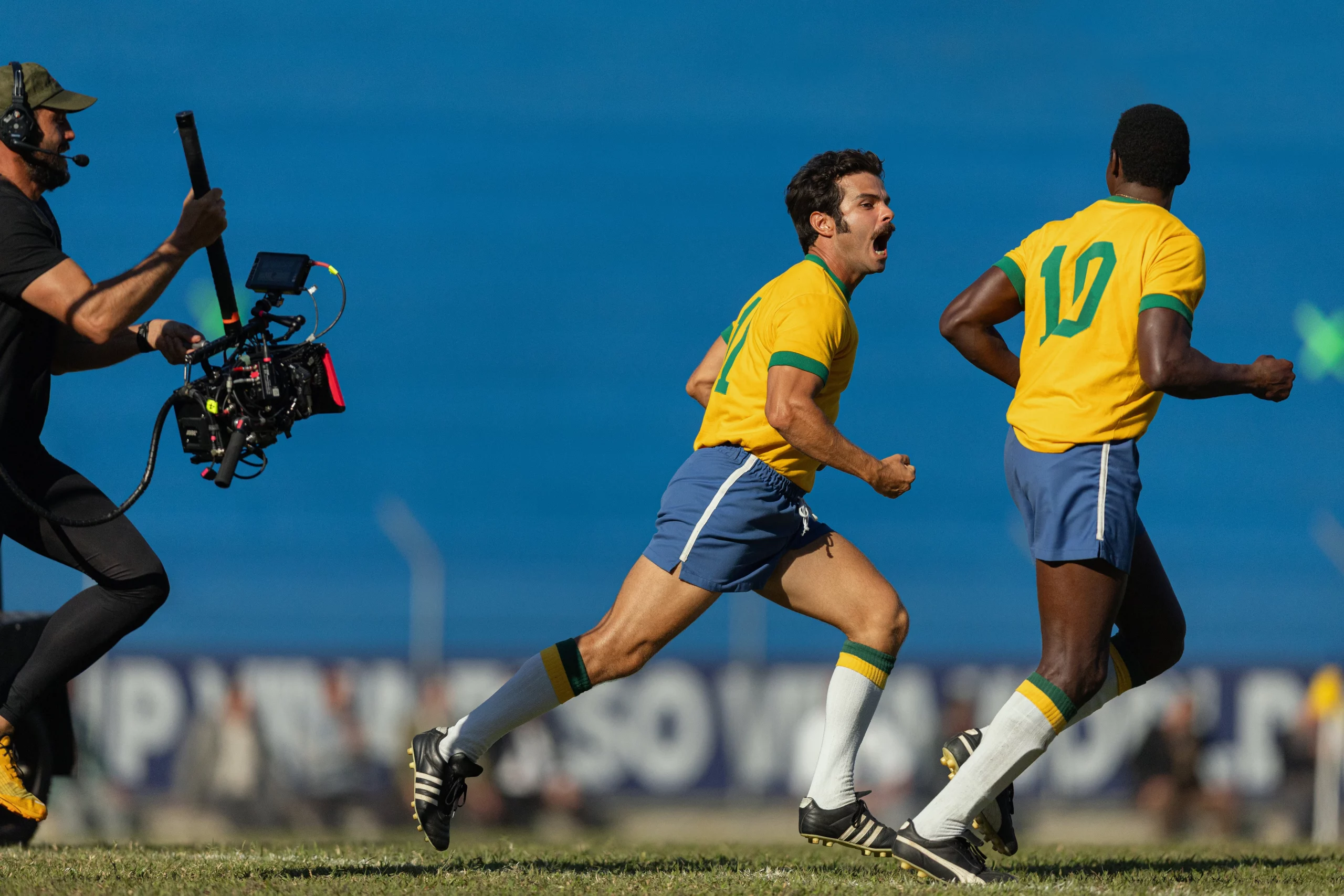
The clearest example comes from Netflix. Days before the tournament kicked off, it released a big-budget drama about Brazil’s legendary team from the 1970 World Cup.
That side, widely seen as one of the finest ever, won the trophy in Mexico. The series dramatises the pressure on its stars and the political turmoil of the era around them.
The timing was no accident. Releasing it on the eve of a new World Cup taps directly into a wave of memory and emotion among football fans.
It is not alone on the slate. The same platform has lined up documentaries on figures such as Ronaldinho and on a storied club, riding the same surge of interest.
The mix is deliberate. Scripted drama draws in casual viewers, while documentaries reward die-hard fans, so together they cover the whole spectrum of a football audience.
Why nostalgia is such a bargain
Behind the warm feelings sits cold arithmetic. Stories made locally in Latin America are far cheaper to produce than big Hollywood films.
Yet once they are subtitled, they can travel the world. A Brazilian drama can find an audience far beyond Brazil, spreading its modest cost across many markets.
Football makes the maths even better. The subject is universal, the passion is built in, and a major tournament supplies free marketing in the form of global attention.
That is why the Brazil 1970 drama got an unusually wide release. The platform pushed it even in English-speaking countries, treating a local story as a global product.
It echoes a model the company has used before. A few years ago it gave a similar global push to a series about a Brazilian motor-racing legend, with strong results.
The bet is that emotion crosses borders. A viewer who never saw the 1970 team play can still be drawn in by the drama of ambition, doubt and triumph.
The fight for the region’s screens
The deeper contest is over subscribers. Latin America is a fast-growing streaming market, and the platforms are competing hard for its viewers.
Tournament season is when that fight peaks. People are already glued to their screens, so a well-timed football story can nudge a casual viewer into paying.
Rivals are chasing the same idea. The competition for football-flavoured content tends to lift budgets and hand more bargaining power to local creators.
For a reader far from the region, the pattern is the real story. Streaming money is quietly reshaping how Latin America tells, and sells, its own football history.
There is a cultural upside to weigh too. The same commercial scramble is funding bigger, more polished versions of stories that local studios once struggled to finance.
Whether that lasts beyond the tournament is the open question. Once the final whistle blows in July, the test will be whether these new subscribers decide to stay.
History suggests caution. Big events reliably spike sign-ups, but many viewers cancel once the reason they joined has passed and the excitement fades.
That is the gamble the platforms are making. They are betting that a month of football nostalgia leaves behind enough loyal fans to justify the spending.
Frequently Asked Questions
What are streamers releasing around the World Cup?
Platforms are timing football dramas and documentaries to the tournament, led by a Netflix drama about Brazil’s 1970 World Cup-winning team and documentaries on stars such as Ronaldinho and on a famous club.
Why do streamers favour local football stories?
They are cheap to make compared with Hollywood films yet can travel worldwide once subtitled, and football’s universal appeal plus free tournament-season attention makes them an unusually good bargain.
What is really at stake for the platforms?
The prize is subscribers in a fast-growing Latin American market, where attention spikes during the World Cup, so a well-timed football story can turn casual viewers into paying customers.
Connected Coverage
This article was produced by The Rio Times’ automated newsroom system. How we use AI · Report an error · Editorial responsibility: Matthias Camenzind, Editor-in-Chief