SpaceX Rescue Mission Ends Nine-Month Space Ordeal for NASA Astronauts
SpaceX successfully docked its Dragon spacecraft with the International Space Station on March 16, 2025, ending a nine-month ordeal for two NASA astronauts.
Butch Wilmore and Suni Williams boarded the ISS in June 2024 via Boeing’s Starliner spacecraft for what should have lasted only eight days.
Technical failures plagued Boeing’s Starliner during its approach to the station. Engineers detected five helium leaks and five thruster malfunctions, compromising the spacecraft’s ability to return safely. NASA deemed Starliner too risky and sent it back to Earth empty in September.
The rescue mission launched on March 14 from Kennedy Space Center after weather delays. SpaceX’s Falcon 9 rocket carried four astronauts: NASA‘s Anne McClain and Nichole Ayers, JAXA’s Takuya Onishi, and Roscosmos’ Kirill Peskov.
Emotional embraces followed as the new crew entered the station and greeted their stranded colleagues. Despite their unexpected stay, Wilmore and Williams maintained scientific research and routine station operations throughout their extended mission.
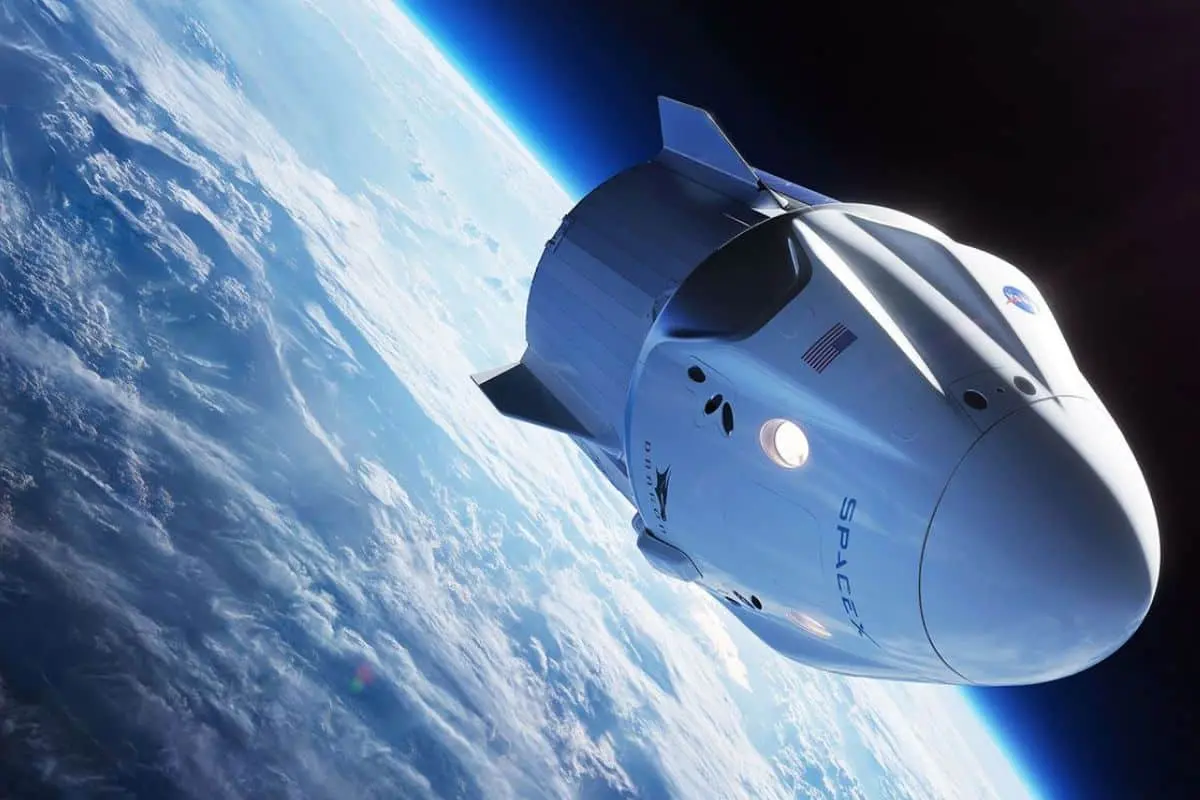
The pair will return to Earth on March 19 with NASA astronaut Nick Hague and Roscosmos cosmonaut Aleksandr Gorbunov. Their return vehicle has awaited them since September, pending suitable weather conditions for splashdown off Florida’s coast.
Political Pressure and SpaceX’s Role in NASA’s Mission
President Donald Trump and his advisor Elon Musk, SpaceX‘s CEO, pressed for an expedited return. NASA advanced the launch from its original March 26 date in response to this political pressure.
Wilmore dismissed suggestions of political influence. “This demonstrates what our nation’s human spaceflight program handles—planning for unforeseen circumstances,” he stated.
Their nine-month stay exceeds typical six-month rotations but falls short of space endurance records. NASA astronaut Frank Rubio spent 371 days on the ISS in 2023, while Russian cosmonaut Valeri Polyakov lived 437 days on Mir.
SpaceX continues its role as NASA’s reliable crew transportation provider since its first crewed flight in 2020, proving crucial in resolving this unprecedented situation.
This article was produced by The Rio Times’ automated newsroom system. How we use AI · Report an error · Editorial responsibility: Matthias Camenzind, Editor-in-Chief