Germany Ties Its Hands With Its Climate Oath While America Runs Free
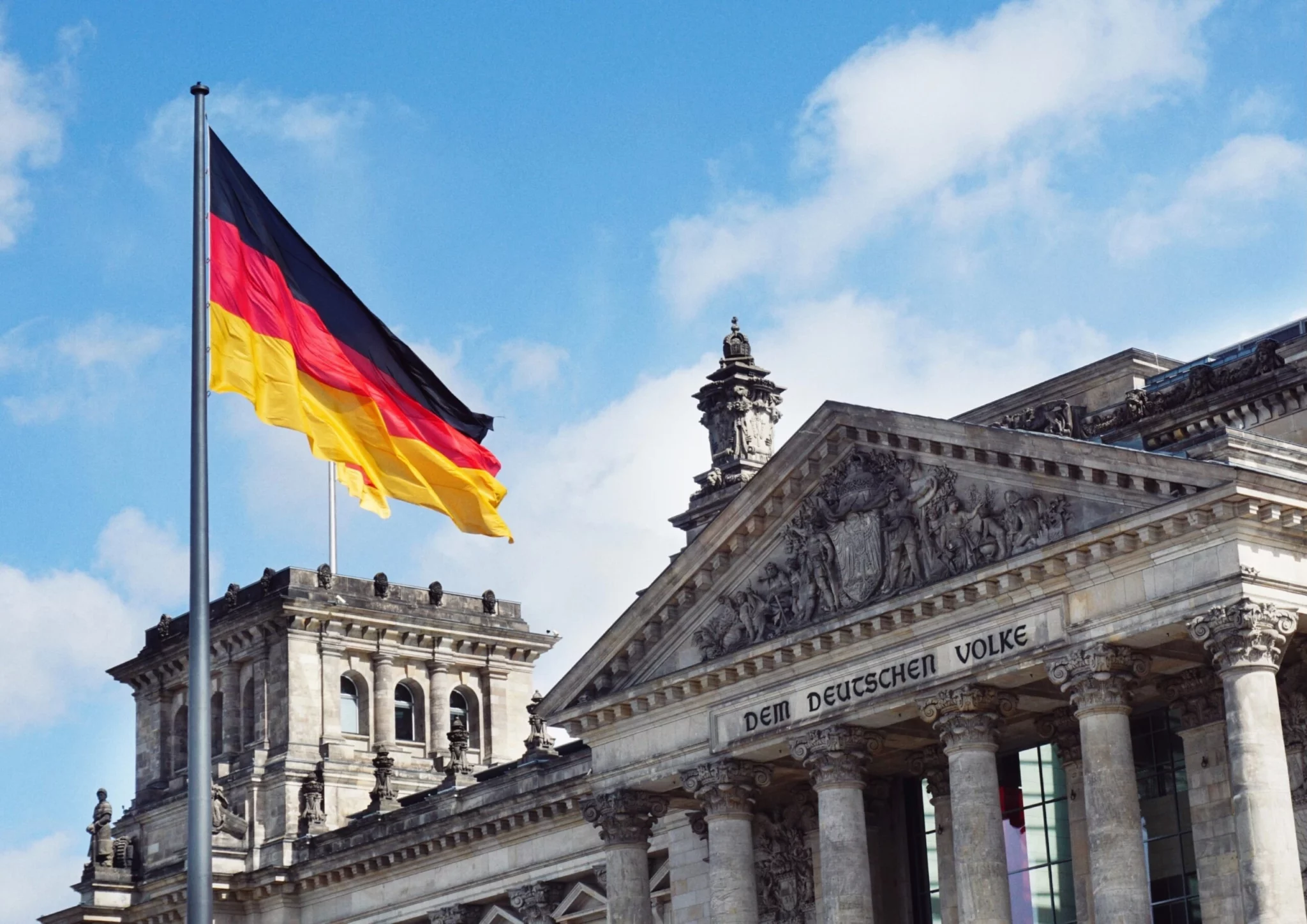
(Analysis) Tomorrow, Germany’s outgoing parliament votes to chain itself to a radical future. With a single stroke, the Grundgesetz—Germany’s Constitution—will enshrine a mandate for climate neutrality by 2045.
This mandate is backed by €100 billion within a sprawling €500 billion defense and infrastructure package. The move, poised to pass with a two-thirds majority, is no mere policy tweak: it’s a legal ironclad vow that could redefine Germany’s place in the world.
Across the Atlantic, the U.S. races in the opposite direction, its industries unshackled by Washington’s retreat from climate rigor. Germany’s wager is colossal—and it might just break the nation.
The Trap is Set
Picture this: a country of 83 million, its factories humming on Europe’s northern plains, now legally bound to slash emissions to net-zero in two decades. The amendment, forged in the dying days of the SPD-Greens-FDP coalition, locks in the 2021 court ruling that demanded more for the young under Article 20a.
It’s a promise no future government can dodge without a supermajority—a near-impossible hurdle in Berlin’s fractured politics. Courts will sharpen their teeth; lawsuits from climate groups will multiply.
The new parliament, fresh from February’s vote, inherits a straitjacket: innovate or suffocate. Contrast that with the U.S. There, the Inflation Reduction Act dangles $369 billion in carrots—subsidies for clean tech—while the stick of regulation lies dormant.
Energy costs hover at €0.10/kWh, a fraction of Germany’s €0.40/kWh. Trump’s climate policy liberates: industry can breathe, expand, delay. Germany’s choice is a handcuff; America’s is a head start.
Industry on the Edge
Germany’s industrial heart—Volkswagen’s assembly lines, Thyssenkrupp’s steel furnaces, BASF’s chemical vats—faces a reckoning. Decarbonizing steel alone demands €10 billion for hydrogen tech.
The car sector, a 400,000-job juggernaut, must go all-electric or collapse. The €100 billion fund aims to soften the blow, but it’s a drop against the €50–100 billion annual tab for compliance. Firms stare down a grim math: stay and pay, or flee.
Flee where? The U.S., with its cheap gas and tax breaks, beckons. Volkswagen’s plants already hum louder in Tennessee than Wolfsburg. Eastern Europe—Poland, Hungary—offers EU access with softer rules. Asia’s lax regimes tempt too.
The Bundesverband der Deutschen Industrie sees no mass exodus yet, but the cracks show: exports ticked up 1.3% in 2024, a frail shield against energy costs that triple America’s. Germany’s 2% of global emissions pales beside China’s 30% and the U.S.’s 15%. This is a sprint to virtue in a world that shrugs.
A Solitary Stand
Germany’s peers falter by comparison. France’s constitutional nod to the environment is a vague whisper; Ecuador’s nature-first rhetoric is toothless. Berlin’s 2045 deadline, etched in law, stands alone—more precise, more binding than the EU’s 2050 dream.
But precision cuts both ways. Flexibility dies; costs soar. The U.S., meanwhile, pivots to pragmatism—growth now, climate later. The €100 billion lifeline hinges on Bundesrat approval March 21. States balk—some coal-rich, others cash-strapped.
The Constitutional Court’s 2023 slapdown of a €60 billion climate fund looms as a warning: money promised isn’t money spent. If it falters, expect protests—farmers clogged autobahns in 2023; this could dwarf that.
The Breaking Point
Germany’s bet could crown it a green titan—hydrogen steel, wind farms, a reinvented economy. Or it could fracture it. Industry teeters as the U.S. lures jobs with open arms. Two percent of emissions won’t cool the planet alone, but it might chill Germany’s future.
Tomorrow’s vote isn’t just law—it’s a tightrope. Success locks in a vision; failure isn’t an option. The world watches, and the U.S. waits.
Read More from The Rio Times