Oil Firms Keep Striking Crude Off Brazil. Most Never Reach Market
Energy
Key Facts
—The study. Westwood examined 425 exploration wells drilled across the South Atlantic between 2007 and 2025.
—The good news. Wells here strike oil far more often than the world average.
—The bad news. Fewer than one in three of those finds ever becomes oil worth producing.
—The money. Half of all acreage the supermajors have taken since early 2025 lies in this region.
—The cycle. Drilling peaked in 2012, collapsed after the 2014 price crash, and has recovered since 2021.
—The timing. Brazil is auctioning twenty-three pre-salt blocks, with a bidding session set for August 6.
Drilling for oil off Brazil and West Africa works better than almost anywhere else. Turning what you find into a producing field is where South Atlantic exploration goes wrong.
That is the uncomfortable conclusion of new research from the London consultancy Westwood Global Energy Group, published on Tuesday. It examined four hundred and twenty-five wells drilled over eighteen years.
The technical success rate is the share of wells that actually strike hydrocarbons. It comes in well above the world average, and that is the part the industry likes to quote.
Fewer than a third of those discoveries go on to become what the study calls a potentially commercial development. The other two thirds sit there, technically real and economically stranded.
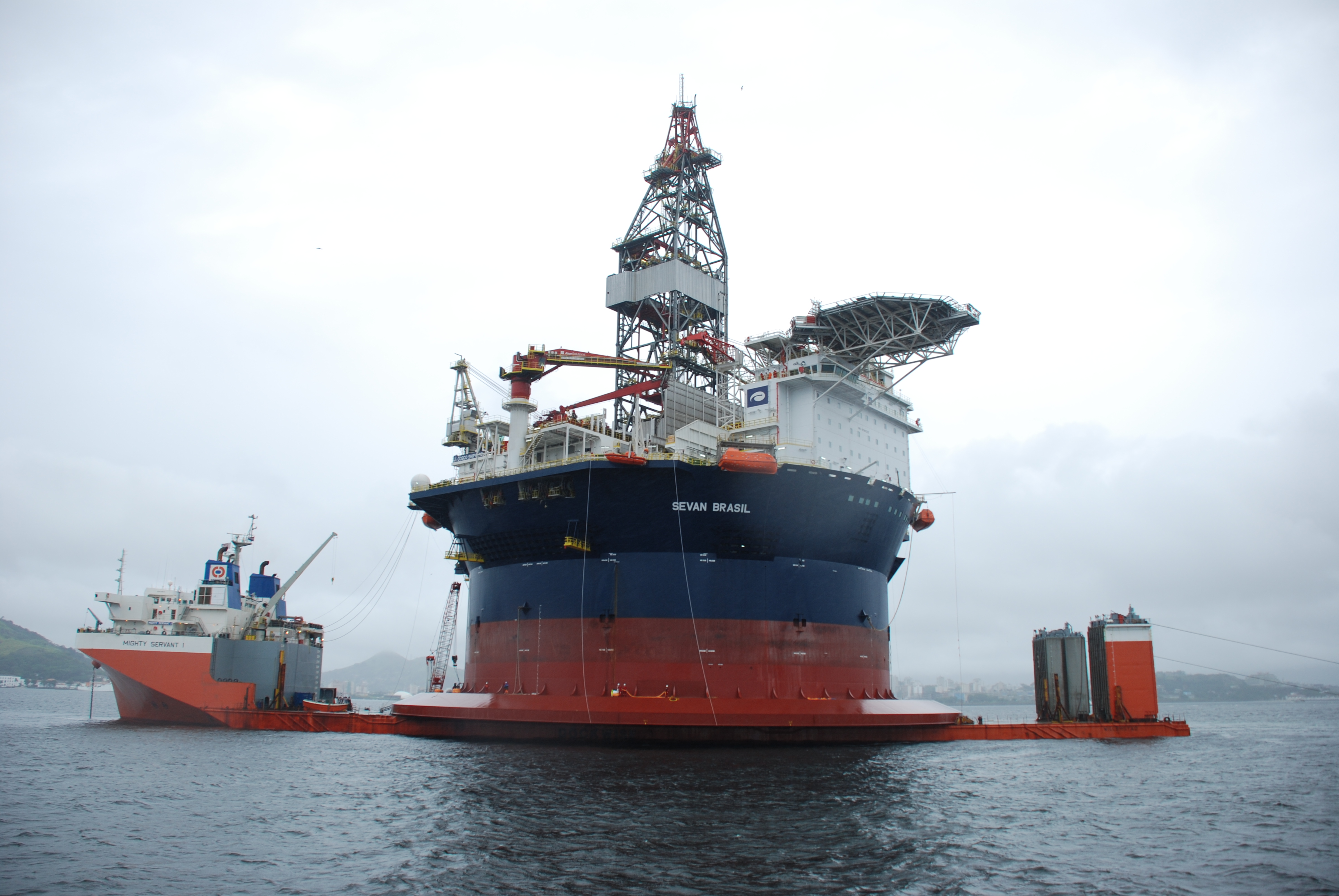
Why South Atlantic exploration keeps disappointing
Finding oil and being able to sell it profitably are separate problems. A well can hit a real reservoir and still fail on the quality of the fluid, the density of the resource, or how readily the rock gives up what it holds.
Graeme Bagley, who runs exploration research at the firm, put it plainly. Technical success alone, he said, is not enough.
Brazil has a live example. When BP announced its Bumerangue discovery in the Santos Basin last year, its largest find in twenty-five years, the rig-site analysis showed elevated carbon dioxide in the gas.
Carbon dioxide is expensive to separate and awkward to dispose of. A five-hundred-metre hydrocarbon column across three hundred square kilometres can still turn into a difficult project.
The industry is buying anyway
The striking number in the consultancy’s own announcement is not about geology at all. Half of every block the world’s largest oil companies have acquired since the start of last year sits in the South Atlantic.
They are placing half their new exploration bets on a region where most discoveries have stopped short of development. That is either conviction or crowding.
The drilling history explains some of the enthusiasm. Activity peaked in 2012, after Ghana’s Jubilee field and Brazil’s pre-salt, then fell away sharply when oil prices collapsed at the end of 2014.
Seven lean years followed. Since 2021 more than ten wells a year have been drilled again, and the study was published as appetite for the Atlantic margins visibly returns.
What this means for the Brazilian auction
The timing is awkward for Brasília. Brazil’s oil regulator has twenty-three pre-salt blocks on offer, thirteen in the Santos Basin and eight in Campos, with a public bidding session set for the sixth of August.
This is a production-sharing round, so the winner is whoever offers the state the largest slice of eventual profit oil. Bidders are therefore pricing a future they cannot see.
A company confident of commercial success can promise the government a generous share. One reading the Westwood figures might reasonably promise less.
The same logic reaches further north. Westwood’s separate outlook for this year lists the Suriname-Guyana basin among regions where high-impact wells have recently failed, and Shell’s Araku Deep well on the Demerara Plateau came up dry.
What investors should watch in South Atlantic exploration
Two wells will tell much of the story this year. BP is drilling Tupinambá in the Santos Basin, next door to Bumerangue, and Petrobras is working the Morpho well at the mouth of the Amazon.
In a separate forecast published in February, the same firm expected Africa and South America to host thirty-four of roughly sixty-five high-impact wells worldwide this year. The two shores of the same ancient rift carry over half the industry’s exploration hopes.
For a reader in London or Munich holding energy shares, the useful discipline is to stop treating a discovery announcement as a result. It is a guess about economics that will take years to test.
Westwood sells the data it is describing here, so the analysis is not disinterested. The underlying well count, however, is checkable, and the direction it points is not flattering.
Why do so few oil discoveries become fields?
Because striking hydrocarbons is not the same as striking profitable ones. Value depends on the quality of the fluid, how densely the resource is packed, and how easily the reservoir gives it up. A discovery can pass the first test and fail all the others.
Is the South Atlantic still attracting investment?
Heavily. Half of all acreage taken by the largest oil companies since the beginning of last year lies in the region. Drilling has recovered to more than ten wells a year since 2021, after collapsing following the 2014 price crash.
Does this affect Brazil’s pre-salt auction?
It sharpens the pricing question. The regulator is offering twenty-three blocks under a production-sharing model, where bidders compete on the share of profit oil they hand the state. Any doubt about commercial conversion should logically make those offers more cautious.
More: Brazil news in English, every day from The Rio Times.
Frequently Asked Questions
How successful are exploration wells in the South Atlantic compared to the global average?
Wells in the South Atlantic strike oil at a rate well above the world average, which is the figure the industry tends to highlight. Yet the Westwood study of 425 wells drilled between 2007 and 2025 shows that technical success alone does not turn into commercial value.
What share of South Atlantic oil discoveries actually become producing fields?
Fewer than one in three discoveries in the South Atlantic become a potentially commercial development, according to Westwood Global Energy Group. The remaining two thirds are described as technically real but economically stranded, meaning they never reach production.
How has drilling activity in the South Atlantic changed over time?
Drilling in the region peaked in 2012 before collapsing after the 2014 oil price crash. Activity has been recovering since 2021, and supermajors have taken up positions there, with half of all acreage they have acquired since early 2025 in the region.
This article was produced by The Rio Times’ automated newsroom system. How we use AI · Report an error
LatAm Markets: Live Signals → — real-time movers, turnover leaders and FX across Latin America.
Read More from The Rio Times