Chile’s Unimarc Owner SMU Seeks Approval to Buy Ahorra Discount Stores
Key Facts
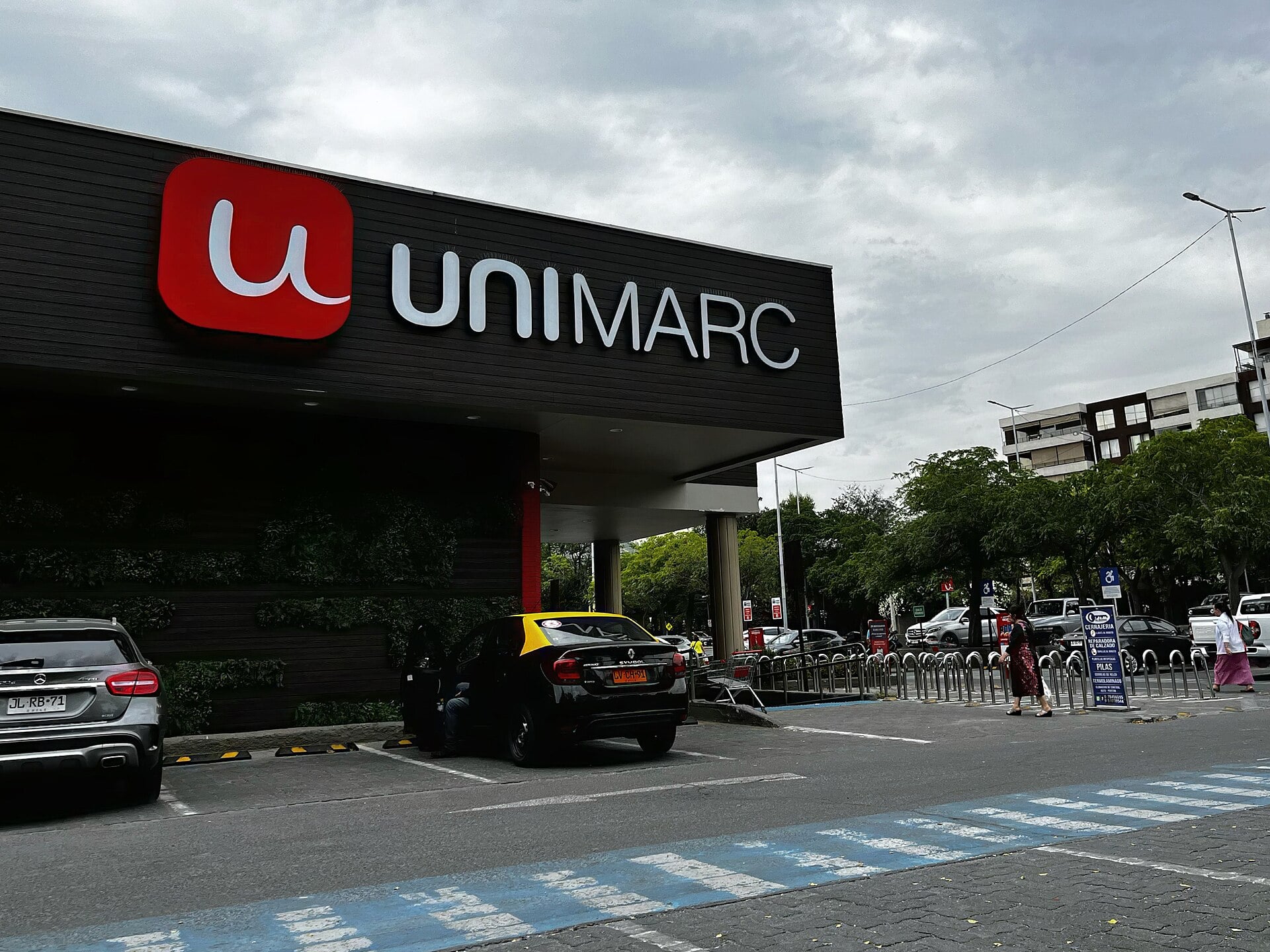
SMU, the group behind Chile’s Unimarc supermarkets, wants to buy a six-shop discount chain called Ahorra Food Depot. It filed for competition clearance on 22 September.
Neither side has said what SMU is paying for the business. The purchase would give one of Chile’s four big grocers its first shops in hard discount.
What SMU Asked For
SMU told the market on 22 September that it had filed with the Fiscalía Nacional Económica. That body is Chile’s competition prosecutor, and it reviews mergers before they can take effect.
The filing covers the assets that trade under the Ahorra brand. Emol, the Santiago news site, reported the next day that the price had not been disclosed.
The prosecutor treated the purchase as a concentration operation and opened an investigation into it. La Tercera reported that the parties had first notified the deal on 31 July.
Meganoticias, the Chilean broadcaster, framed the move as the Unimarc parent seeking entry into the discount business. SMU is the buyer in this transaction, not the target.
Who Built Ahorra
Ahorra grew out of a family food-import business rather than out of retail. Diario Financiero, the Santiago business daily, profiled its owner, Alberto Alvo Alaluf, on 25 September.
Alvo’s father founded the family’s food distribution company after an earlier lending business failed in the Asian financial crisis. The son joined that company, Alca, in 2007 and became its chief executive a year later.
Alca imports frozen fish and seafood for restaurants, with offices in Santiago, Miami and China. The family invested US$3 million to turn that buying power into shops selling directly to the public.
The first Ahorra opened in the Santiago district of La Florida in October 2023. Six shops now trade in the capital’s metropolitan region, two of them in the wealthy Las Condes district.
Why a Big Chain Wants Six Small Shops
Hard discount means a short list of products, plain shelves and low prices. The format is common in Germany and Spain but has only a small presence in Chile.
Buying an existing operator gives SMU shops, suppliers and a working model at once. Emol reported that specialists expect strong competition in the format as it spreads east across Santiago.
Sales at SMU shops open a year or more fell 4.7% in the second quarter of 2026. They had fallen 5.8% and 9.1% in the two quarters before that.
Management told analysts in August that its Alvi and Super10 brands were better placed to compete than an earlier discount attempt. The company has also converted fifteen Mayorista 10 shops to the Alvi wholesale format.
SMU’s Own Position
SMU is listed on the Bolsa de Santiago, Chile’s stock exchange, and is controlled by the businessman Álvaro Saieh. It owns Unimarc, Alvi, Super10 and Mayorista 10 in Chile, plus Mayorsa and Maxiahorro in Peru.
The company says it runs more than 400 supermarkets across all sixteen Chilean regions. Unimarc alone accounted for 299 of those shops earlier this year.
Revenue rose 2.2% in the second quarter of 2026, while net profit fell 91%. Restructuring costs, smaller gains on asset sales and higher interest charges caused that drop.
Saieh has also been selling shares in the company. His holding fell to 33.63% by the end of June, from 38.8% six months earlier.
The Competition Question
Chilean grocery is unusually concentrated. Walmart Chile’s Líder, Cencosud’s Jumbo and Santa Isabel, SMU’s Unimarc and Falabella’s Tottus take close to nine tenths of supermarket sales between them.
Industry estimates put Walmart Chile at roughly 35% of that market and Cencosud at about 28%. SMU is usually placed near 20%, with annual sales of about US$3 billion.
Six shops will not move those shares by themselves. The question for the prosecutor is whether a large incumbent should absorb a small newcomer in a format it does not yet run.
SMU presents the purchase as part of a multi-format strategy that lets it open discount shops faster than building from nothing. Its capital plan for 2026 to 2028 sets aside 370 billion Chilean pesos, about US$385 million, for new shops and refits.
What Happens Next
The prosecutor now decides whether to clear the purchase, clear it with conditions, or take it further. Cases the prosecutor opposes go to Chile’s competition court, known by its Spanish initials as the TDLC.
No decision had been announced by 26 September. Neither the prosecutor nor the court had set out conditions or objections at that point.
Three things are worth watching from here. Whether a price is ever published, whether SMU converts other shops to the discount format, and whether rivals open their own.
The wider test is whether hard discount takes hold in Chile at all. The format is well established in Europe and is still new to Chilean shoppers.
Frequently Asked Questions
Who is buying whom?
SMU, the Chilean group that owns Unimarc, is buying Ahorra Food Depot. Ahorra is much the smaller company, with six shops in Santiago.
How much is SMU paying?
Neither company has published a price, and no figure appeared in the Chilean reporting of the filing.
Who is Alberto Alvo?
He is the Chilean businessman who built the Ahorra chain out of his family’s frozen-food import company, Alca. The first Ahorra shop opened in Santiago in October 2023.
What is the Fiscalía Nacional Económica?
It is Chile’s competition prosecutor, which reviews mergers before they take effect. It has opened an investigation into SMU’s purchase and has not yet ruled.
What is hard discount?
It is a supermarket format built on a short product list, plain fittings and low prices. SMU does not run one today, which is why it wants Ahorra.
This article was produced by The Rio Times’ automated newsroom system. How we use AI · Report an error
In depth
LatAm Markets: Live Signals → — real-time movers, turnover leaders and FX across Latin America.
Read More from The Rio Times