Silenced Bells – The Vanishing Christian Churches of Nigeria
Nigeria faces a growing crisis as violence against Christians escalates in its Middle Belt region. Over 15 Catholic parishes have closed their doors due to ongoing attacks. This situation highlights a broader pattern of religious conflict in the country.
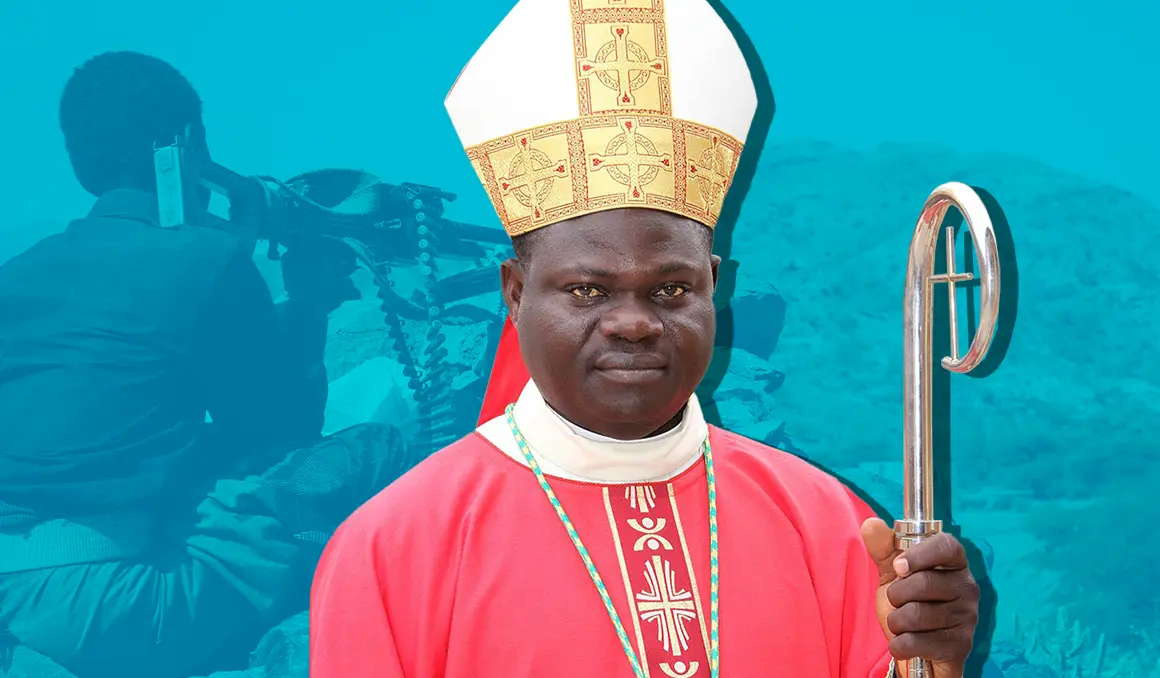
The Diocese of Makurdi has been hit particularly hard. Bishop Wilfred Chikpa Anagbe reports that 14 to 15 parishes have shut down. Some of these parishes oversee up to 20 smaller church communities. The closures affect areas spanning 20-25 kilometers.
Similar parish closures have occurred in the Otukpo and Katsina-Ala Dioceses. These shutdowns reflect the widespread nature of the problem. The violence has displaced thousands of Christians from their homes and communities.
Recent years have seen a sharp rise in attacks on Christian populations. Between 2019 and 2023, 2,673 Christians lost their lives in Benue State alone. This number starkly contrasts with the 12 Muslim deaths reported during the same period.
The scale of the violence is alarming. Approximately 50,000 people have died at the hands of Fulani militias across Nigeria in the past four years. Since 2009, an estimated 18,000 churches have been destroyed by jihadist groups.
The year 2023 marked a grim milestone with over 8,000 Christians killed. These numbers paint a picture of systematic targeting based on religious identity. The attacks often involve burning churches and homes, and displacing entire communities.
Silenced Bells – The Vanishing Christian Churches of Nigeria
Various groups are blamed for the violence. These include Fulani herdsmen, Boko Haram, and the Islamic State West Africa Province (ISWAP). Some refer to these attackers simply as “bandits.”
While economic and ethnic factors play a role, many see a clear religious motivation behind the attacks. Critics argue that these acts aim to eradicate or displace Christian populations in certain areas.
The Nigerian government’s response has drawn criticism for its perceived inadequacy. Bishop Anagbe expresses frustration at the lack of decisive action from authorities. He points out Nigeria’s peacekeeping success in other countries as evidence of its capability.
Nigeria Accounts for 90% of Global Christian Killings, with 18 More Recently Murdered
International concern is growing. The U.S. House of Representatives recently passed a resolution urging action. It calls on the Biden administration to designate Nigeria as a Country of Particular Concern for religious freedom violations.
Some organizations view the situation in stark terms. Genocide Watch categorizes it as Stage 9 (Extermination) and Stage 10 (Denial) of genocide. This classification underscores the severity of the crisis.
The violence has created a severe humanitarian crisis. Thousands of Christians now live in displacement camps. Unable to return to their farms, they face an uncertain future. Reports of women and girls being raped by attackers add to the horror.
The long-term implications of this crisis are profound. Prolonged school closures could leave a generation vulnerable to radicalization. The demographic presence of Christians in affected areas is shrinking rapidly.
Some fear that if left unchecked, this violence could spiral into civil war. The situation threatens not only religious freedom but also social stability and Nigeria’s future as a unified nation.
More: Nigeria news in English, every day from The Rio Times.
This article was produced by The Rio Times’ automated newsroom system. How we use AI · Report an error · Editorial responsibility: Matthias Camenzind, Editor-in-Chief
Part of our ongoing coverage
Africa: The New Scramble — the great-power contest over the continent.