Seven electric cars to be launched in Brazil in 2021
RIO DE JANEIRO, BRAZIL – Audi, BMW, Fiat, Peugeot, Porsche, and Volvo are some of the automakers that promise new electric car (EV) models for 2021, a category that has attracted an increasing number of drivers around the world thanks to its low environmental impact.
According to the survey “The Future of Mobility,” conducted by research institute Ipsos in November 2019, 49% of Brazilians claimed that the lower emission of polluting gases was the new model’s main attraction.
Despite consumer interest, the truth is that the market penetration of EVs here is still shallow. The 45,000 electric cars currently circulating in Brazil represent only 1% of the total, according to ABVE (Brazilian Association of Electric Vehicles). Last year, sales of the category – even considering the hybrid versions – also did not exceed 1%.

Even so, the entity has witnessed growth. Last year was the best so far in ABVE’s historical series of hybrid and electric car sales, which follows the sector since 2012: there were 19 thousand units, a growth of 66.5% compared to 2019.
PROS AND CONS
Besides the environmental factors, Brazilians have already been recognizing some other benefits of EVs.
The head of the motors and vehicles division at the Mauá Institute of Technology, Renato Romio, says that because of its size, the electric-powered engine has an efficiency of over 90%, higher than the 40% of those that use fuel. “Another characteristic is that it has strength at low revs, so the performance is excellent in propulsion and traction capacity.”
The battery, on the other hand, causes conflicting feelings among electric car owners. According to Romio, the maintenance rates are low, which brings relief to the consumer’s pocket. However, this component also brings some limitations.
“At some point, the user will have to change the battery,” he says. “And in these cases, the value can often be higher than that of the car.” Still, the IMT researcher says there is rarely a need for any change in the first eight years of use.
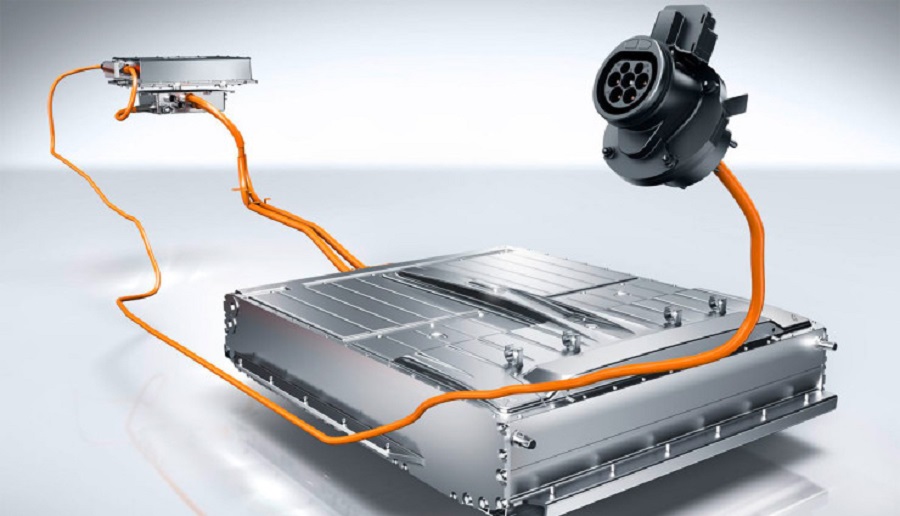
A pebble in the consumer’s shoe is the lack of infrastructure for charging batteries. Also called electroposts, these places supply energy to the batteries of hybrid and electric models through a plug. According to ABVE, Brazil currently has 350 of these recharging points scattered around highways, shopping malls, and gas stations.

For the executive coordinator of PNME (National Platform for Electric Mobility), Marcus Regis, the issue of recharging infrastructure is the main Achilles heel, both for the consumer and the industry. “Do I first need to have electric cars to have the recharging infrastructure or vice versa? That’s a very similar question to trying to figure out what came first, the egg or the chicken,” he says.
“The person is not going to buy the car if they don’t have a place to charge it. So the two things need to go together, in incremental steps.”
IPI: THE INDUSTRY VILLAIN
The national production of electric/hybrid cars, according to ABVE and Anfavea, is limited to only one model – the Corolla Hybrid Flex, from Japanese Toyota, assembled in the city of Indaiatuba, in the interior of São Paulo state. The car, a hybrid, represented more than half of the category sales last year – the other half arrived in the country via imports.
Taxes, and tariffs are also an obstacle for consumers as well as industry.
According to Toyota’s government affairs manager and ABVE’s vice-president of light vehicles, Thiago Sugahara, the lack of public policy, especially in taxes, is the sector’s main challenge. “The biggest obstacle to electrified vehicles today is not the import tax, but the IPI (Tax on Industrialized Products),” he says.
Hybrid-electric models can pay up to 18% or 20%, respectively, of tax on the value of the vehicle – against 7%, for example, of flex 1.0 vehicles with a combustion engine.
The president of ABVE, Adalberto Maluf, agrees and says that Brazilian car factories may become obsolete due to the lack of an industrial policy for the sector. “We consider it fair that more efficient and less polluting vehicles, such as electric ones, pay less taxes than combustion vehicles, as the whole world does,” he says.
“Ideally, they should be taxed like 1.0 cars.” According to him, if these taxes are not reduced, the industry will be isolated from the rest of the world, making it difficult for parts manufacturers and suppliers to develop.
2021 LAUNCHES
Even with difficulties entering the Brazilian market, either because of the high price of components or the lack of charging infrastructure, electric cars should increase their presence in 2021, even if through international channels. Traditional automakers, such as Italy’s Fiat, Sweden’s Volvo, France’s Renault and Peugeot, and Germany’s Audi, BMW, Porsche, promise news for the coming months.
Fiat 500e
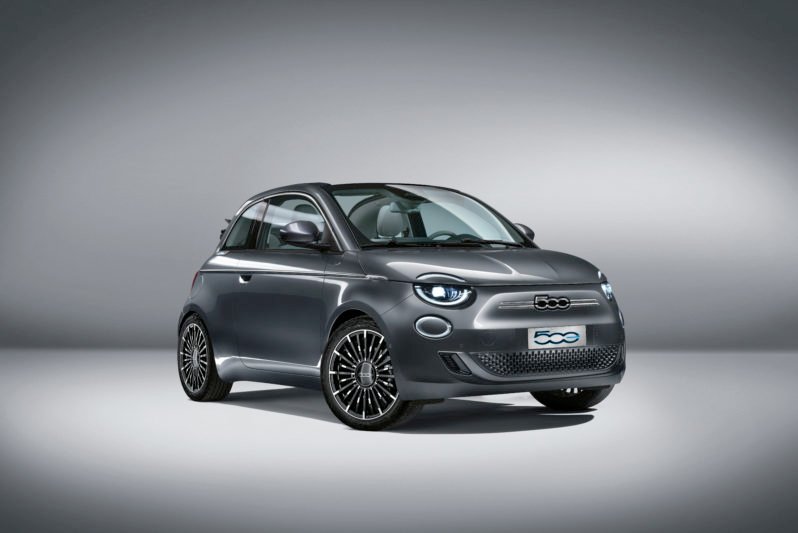
In its third generation, Fiat’s 500e model will be entirely electric for the first time.
With a range of 320 kilometers per charge cycle, the hatch from the Italian carmaker has a power of 87 kW, which is equivalent to 118 horsepower. The Italian carmaker’s hatch is only sold in Europe, but the prospect is that it will arrive in Brazil in the second half of this year. The price was not disclosed.
MINI Cooper SE
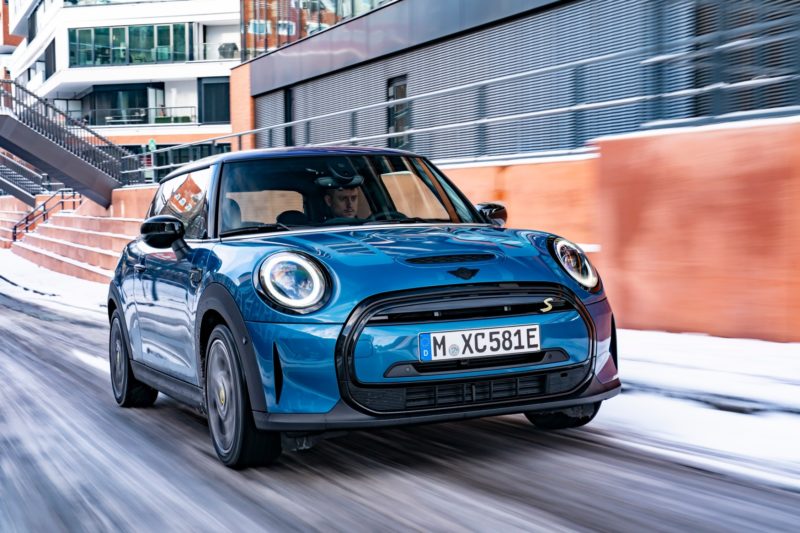
Produced at the Oxford plant in England, the three-door hatchback is equipped with a battery capable of delivering 184 horsepower and a performance of 32.6 kWh, allowing an autonomy of up to 234 kilometers per charge cycle.
There are two MINI Cooper SE models for sale in the country: the Exclusive, which costs R$240,000; and the Top, which costs R$265,000.
Peugeot 208 e-GT
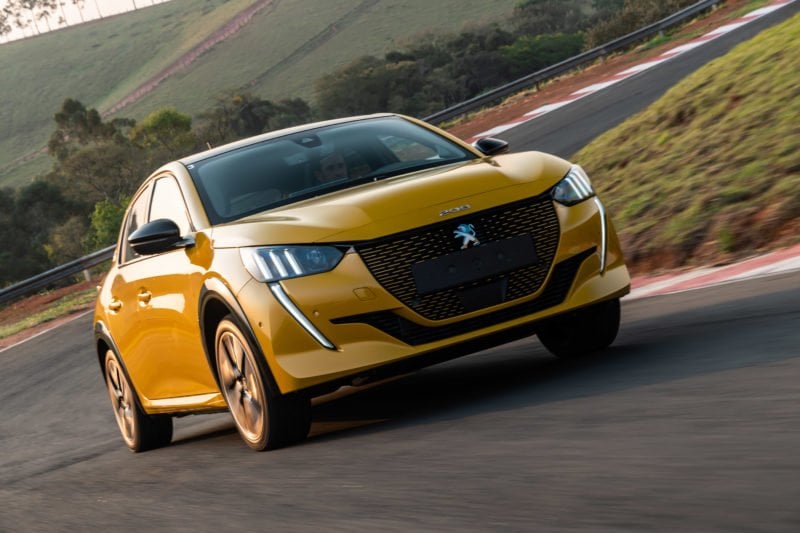
The initial forecast is that the car will arrive in Brazil in the second half of this year, but the debut date on national soil may be delayed, depending on the economic scenario.
According to technical information released on the European site of the manufacturer, the model has autonomy of up to 349 kilometers per charge and a power of 100 kW, equivalent to 136 horsepower.
Porsche Taycan 4 Cross Turismo
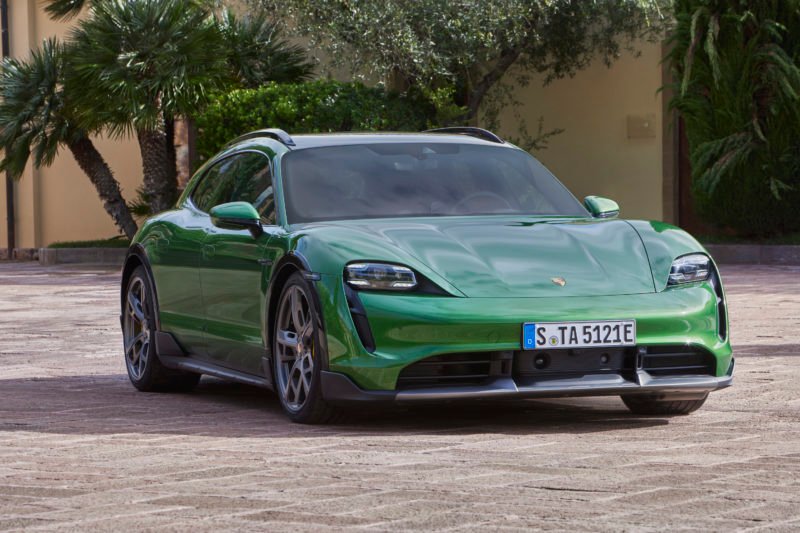
With a battery architecture of 800 volts, twice as big as conventional EVs, the German car has a consumption performance of 22.4 kWh per 100 kilometers driven and an autonomy that varies between 389 and 456 kilometers.
The power can reach 350 kW, equivalent to 476 horsepower, providing an acceleration from 0 to 100 km/h in 5.1 seconds. The price suggested by the automaker is R$649,000.
Volvo XC40 Recharge Pure Electric
Volvo announced this year its intention to become an automaker entirely dedicated to electric cars by 2030.
One of the models that should lead this movement in the Swedish manufacturer is the XC40 Recharge Pure Electric, the brand’s 100% electric vehicle, which should arrive in Brazil in the second half of 2021.
The SUV sold in Europe has a battery with a power of 78 kWh, providing a range of 418 kilometers and an acceleration between 0 and 100 km/h of 4.9 seconds. The price has not been disclosed.
Audi RS e-tron GT
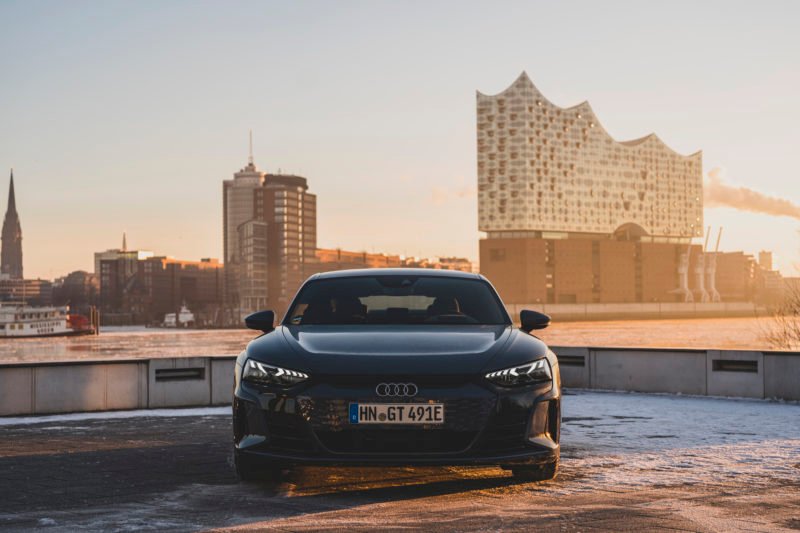
With an acceleration from 0 to 100 km/h in 3.6 seconds, the car has a maximum power of 475 kW, and can reach a top speed of 250 km/h. The energy consumption is 22.5 kWh per 100 kilometers and the range varies between 433 and 472 kilometers per charge. The price has not been disclosed, but the forecast is that its arrival in the Brazilian market will be in October this year.
BMW 530e M Sport
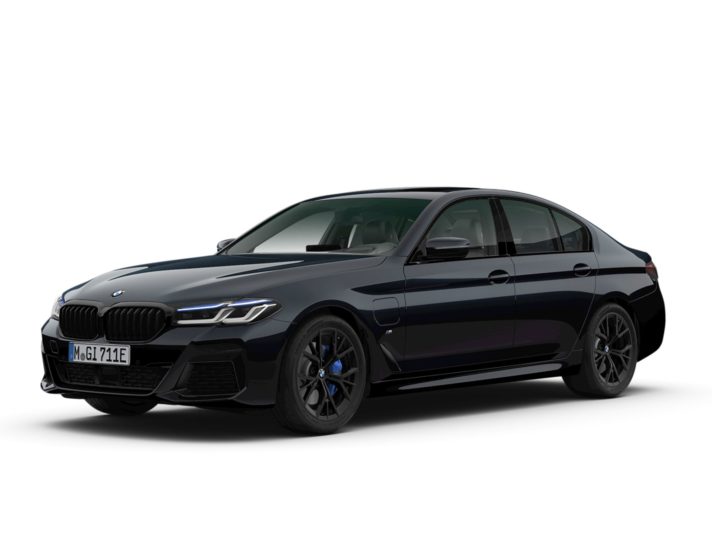
The German sedan has two engine systems: a combustion engine with 184 horsepower and an electric one with 292 horsepower. The autonomy of the electric part is 56 kilometers per charging cycle, which is done in a plug-in model.
The car can already be ordered by Brazilian customers, but its arrival in the country is only scheduled for the beginning of June. The suggested price is R$ 425 thousand.
Source: Forbes
More: Brazil news in English, every day from The Rio Times.
This article was produced by The Rio Times’ automated newsroom system. How we use AI · Report an error
Read More from The Rio Times