Senegal’s Ofnac to Publish Asset Declaration Lists from 10 August
Senegal · GOVERNANCE
Key Facts
—Compliance rate: About 79.8% of officials had declared assets, with 8,276 declarations recorded and 901 still outstanding by the 31 July 2026 deadline.
—Threshold lowered: A 2025 reform reduced the reporting threshold for budget managers from 1 billion CFA francs to 500 million CFA francs, widening the net of officials covered.
—New categories added: The 2024 reform strengthened controls and interoperability, adding auditors and heads of state-owned companies to the system.
—Sanctions strengthened: Penalties for non-compliance can include up to 4 years in prison, fines, and possible disqualification from public office.
—Confidentiality maintained: The actual contents of declarations remain confidential; Ofnac officials say they lack the legal power to make them public.
—Publication date: Ofnac announced it would publish provisional lists of compliant and non-compliant officials starting 10 August 2026.
Senegal’s National Office for the Fight against Fraud and Corruption (Ofnac) published provisional lists of elected officials who have complied with asset declaration rules starting 10 August 2026, marking a shift from a mostly confidential system toward public compliance naming.
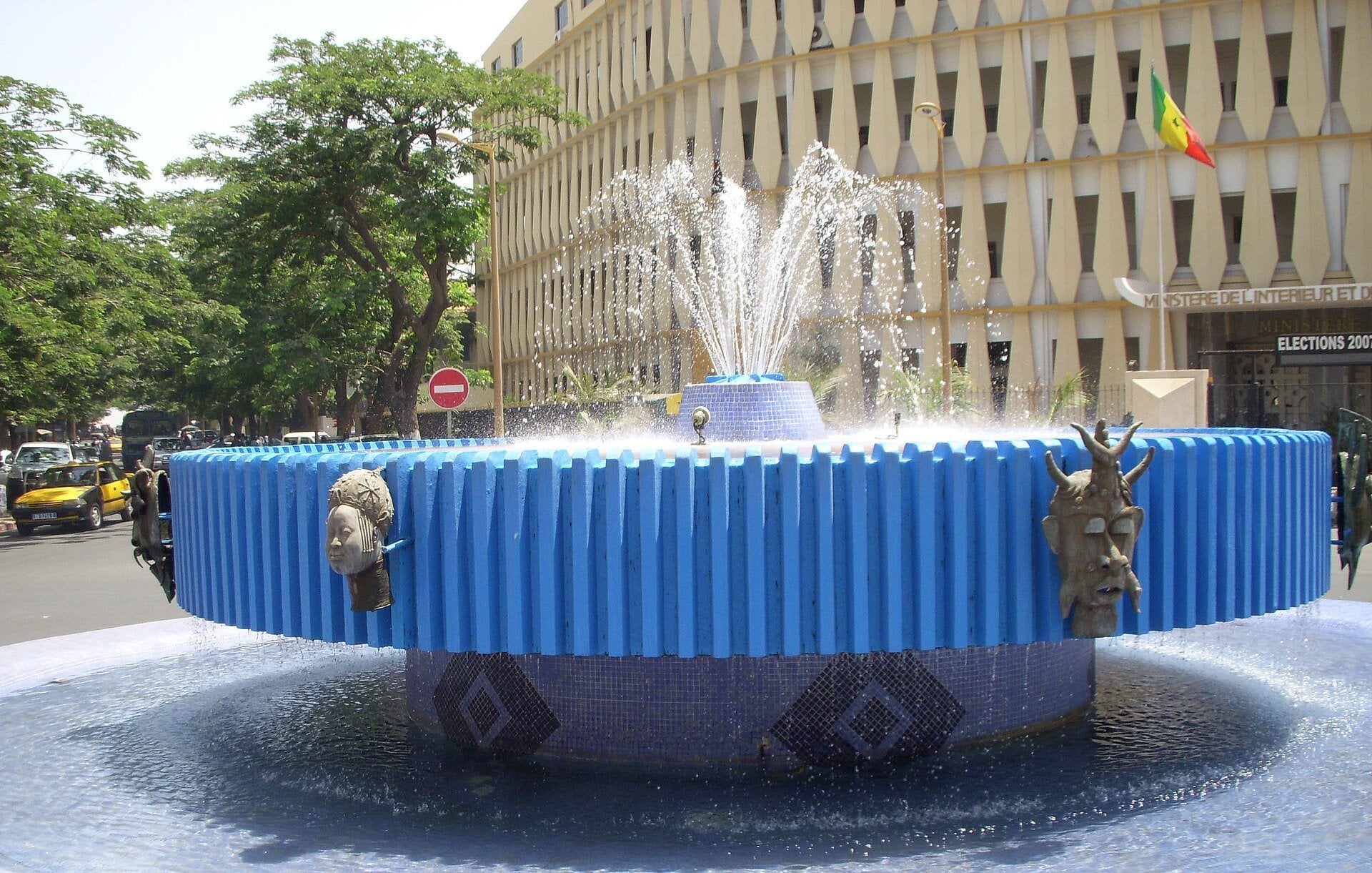
A transparency test for Senegal asset declaration rules
Ofnac, created in 2012, has long held the mandate to receive wealth declarations from public officials but operated largely out of public view. That changed in August 2026 when the agency confirmed it would name those who filed and those who did not, after a 31 July deadline triggered a surge of last-minute submissions.
The move is the most visible enforcement step yet under President Bassirou Diomaye Faye, who built his political brand on anti-corruption promises. Prime Minister Ousmane Sonko has announced reform bills covering Ofnac and access to information. Compliance at the top is uneven: Ofnac’s 11 August breakdown names 17 non-compliant officials at the Presidency and 12 at the Prime Minister’s office.
By late June 2026, only 558 declarations had been filed out of 1,594 people subject to the obligation, a compliance rate of roughly one-third. The final push brought the figure to 8,276 declarations recorded, with about 79.8% of officials having declared assets and 901 still outstanding, a number that still leaves a gap between the law’s ambition and actual compliance.
Who must declare and what the 2025 reform changed
Senegal’s original asset-declaration law from 2014 applied mainly to top officials such as the president of the National Assembly, the prime minister, ministers, and public accountants managing more than 1 billion CFA francs. The 2025 reform broadened the regime substantially.
The threshold for budget managers dropped from 1 billion to 500 million CFA francs, pulling mid-level financial controllers into the system. The reform also strengthened controls and interoperability, adding auditors and heads of state-owned companies to the list of those required to file.
Sanctions were strengthened at the same time. Non-compliance can now carry penalties of up to 4 years in prison, fines, and possible disqualification from public office, raising the stakes for officials who ignore the obligation.
The confidentiality debate at the heart of the reform
While Ofnac published names of those who comply and those who do not, the actual contents of the declarations remain confidential. Ofnac officials have stated clearly that they do not have the legal power to make the substance of the filings public.
This confidentiality is the core political controversy. Critics argue Senegal is demanding transparency from ministers, mayors, magistrates, and managers of public money while shielding the president’s own declaration from public view.
A 2025 International IDEA democracy tracker noted that the new law made Ofnac reports public to the president and increased disclosure around audit reports, but also highlighted that President Faye was exempt, drawing opposition criticism. The gap between naming compliers and revealing what they declared leaves an unresolved tension in the architecture.
Money, power and the political economy of office-holding
Asset declarations are not merely ethics paperwork. They are a tool for mapping who controls public budgets, revenue streams, land, mining concessions, local government contracts, and state-owned enterprises.
The law targets offices where cash flows and political patronage intersect most directly. Ministers, parliamentary leaders, mayors, magistrates, auditors, and state-company chiefs all sit close to procurement decisions and budget allocations, making the declaration system a potential check on rent-seeking in high-discretion sectors.
For investors in mining, land, infrastructure, and state procurement, the reform signals that the Faye government is building institutional scaffolding around its anti-corruption rhetoric. Whether that scaffolding holds under political pressure is the question the provisional lists will begin to answer.
The external dimension: governance as a competitiveness signal
Senegal is trying to project itself as a comparatively institutionally reliable partner in a region where coups, fiscal stress, and corruption scandals have shaken confidence. Governance reform is a recurring condition in relationships with multilateral lenders and development partners.
Anti-corruption performance feeds directly into investor confidence and sovereign-risk assessments. That matters to France, the European Union, the International Monetary Fund, the World Bank, China, and Gulf investors because transparency reforms affect the bankability of projects and the predictability of concessions.
The Senegal case sits at the intersection of domestic anti-corruption politics and external competition for influence through aid, debt, infrastructure, and resource deals. The broader scramble for access and leverage across the continent gives governance reform a geopolitical weight it might not carry otherwise, as explored in our pillar Africa: The New Scramble.
What to watch after 10 August 2026
The publication of provisional lists is a compliance exercise, not a final verdict. Ofnac will conduct a compliance check on each file, and the lists may evolve as officials submit late declarations or contest their inclusion among the non-compliant.
The real test will be whether sanctions are applied to high-profile figures who remain outside the system. A parliamentary report listed 19 figures who had filed, a small fraction of the political class, leaving room for enforcement actions that could define the credibility of the entire framework.
Senegal is not merely publicising who has filed wealth declarations. It is testing whether a new anti-corruption architecture can discipline the political economy of office-holding in a system where control over public money is tightly tied to power.
Frequently Asked Questions
What is Ofnac and what does it do?
Ofnac is Senegal’s National Office for the Fight against Fraud and Corruption, created in 2012, and one of its core mandates is receiving asset declarations from public officials.
Are the contents of the asset declarations made public?
No, the actual contents remain confidential under the law, and Ofnac officials have said they do not have the power to make them public.
What penalties do officials face for not declaring their assets?
Penalties can include up to 4 years in prison, fines, and possible disqualification from public office under the strengthened 2025 reform.
Connected Coverage
For wider context on how governance reforms intersect with great-power competition across the continent, read our pillar Africa: The New Scramble.
Sources
This article was produced by The Rio Times’ automated newsroom system. How we use AI · Report an error
LatAm Markets: Live Signals → — real-time movers, turnover leaders and FX across Latin America.
Read More from The Rio Times
- MOGA Festival 2026 Last-Minute Guide: Essaouira, Morocco, Opens 30 September With Saturday Day Passes Sold Out
- ULTRA South Africa 2027: Cape Town on 30 April, Johannesburg on 1 May as First Tickets Sell Out
- Oskido Big Day Out 2026: Two Stages at Johannesburg’s Huddle Park, South Africa, on 28 November