Senegal Talks Oil Palm Revival With Indonesia in Dakar
SENEGAL · AGRICULTURE
Key Facts
- —What happened Senegal’s agriculture minister met Indonesia’s ambassador in Dakar on 11 September and discussed reviving oil palm cultivation.
- —Who met Agriculture Minister Cheikhou Oumar Bâ and Ambassador Ardian Wicaksono.
- —The number 60,000 hectares, the area Senegal says it is targeting.
- —What was signed Nothing. No agreement, no memorandum, no financing model and no timetable.
- —Why Indonesia It is the world’s largest palm oil producer, with output the US Department of Agriculture projects at around 48 million tonnes in 2026/27.
- —Why Senegal cares It imports roughly 148,100 tonnes of palm oil a year and produces about 14,000.
Senegal buys ten times more palm oil than it grows. It has asked the world’s biggest producer for help.
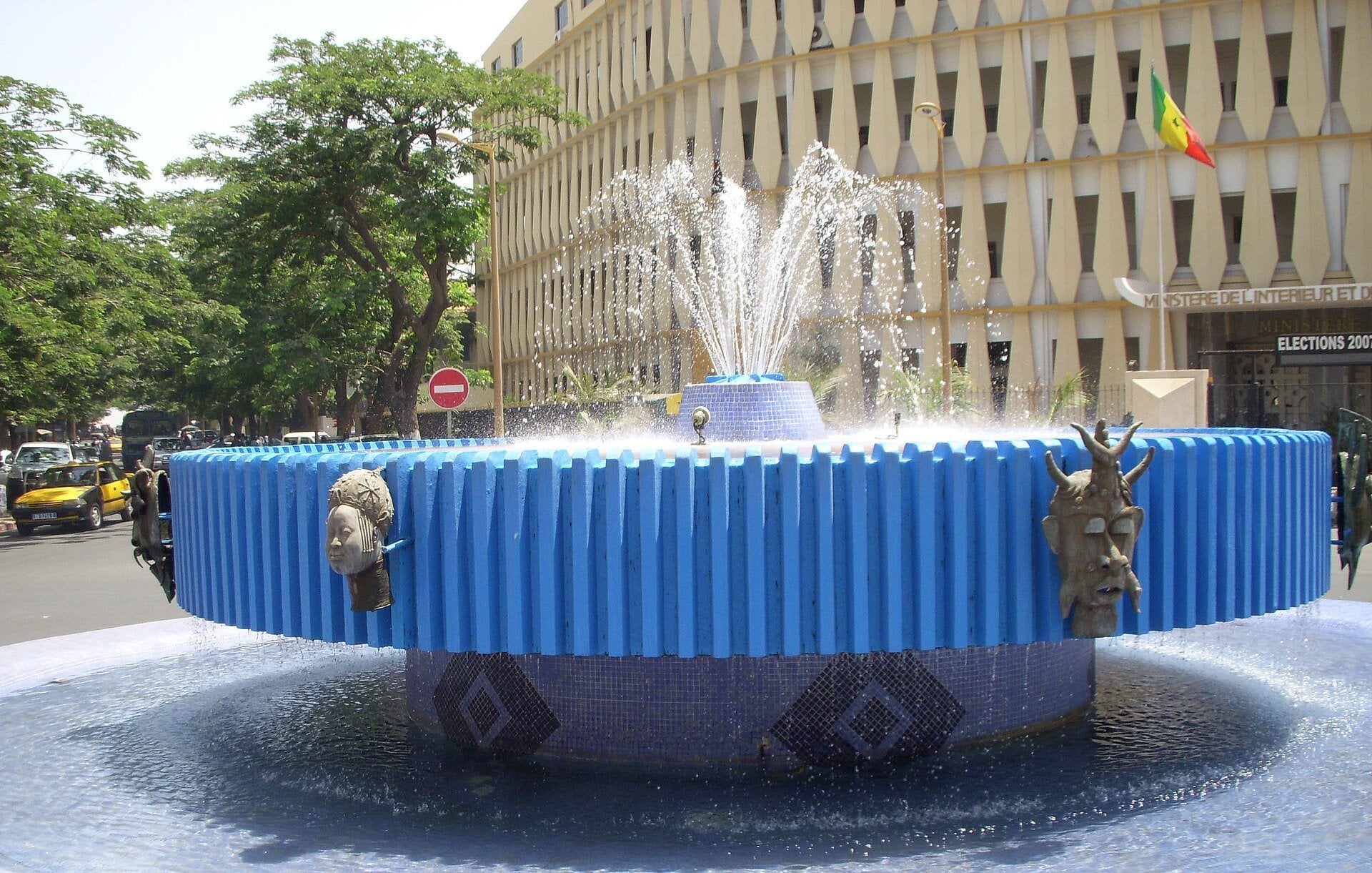
Senegal’s agriculture minister Cheikhou Oumar Bâ met Indonesia’s ambassador Ardian Wicaksono in Dakar on 11 September. They discussed reviving oil palm cultivation across 60,000 hectares. No agreement was signed.
What the Meeting Covered
The two discussed agricultural mechanisation, water management, seeds, livestock and palm oil.
Senegal’s state news agency APS reported the meeting on 14 September. La Tribune Afrique carried it the same day and Agence Ecofin on 15 September.
The parties plan to establish a joint technical working group.
Ecofin reports that no implementation timetable and no financing model are yet known.
The Gap Senegal Is Trying to Close
Senegal imports about 148,100 tonnes of palm oil a year.
Domestic production is roughly 14,000 tonnes, from about 11,800 hectares.
Palm oil is used across West African cooking, and imports are paid for in foreign currency.
A target of 60,000 hectares would be a fivefold increase in planted area.
What Indonesia Brings
Indonesia produces more palm oil than any other country. The US Department of Agriculture projects output of around 48 million tonnes in 2026/27.
Its expertise is in smallholder organisation and mechanisation as much as in plantation management.
La Tribune Afrique reports that Indonesia distributed more than 570,000 subsidised agricultural machines between 2007 and 2021.
Senegal’s own food systems resilience programme mobilises about US$230 million.
The Details That Rest on One Outlet
La Tribune Afrique reports a split of 40,000 hectares at Samba Ngallou and 20,000 hectares in the south and south-east.
It also reports a cooperation memorandum targeted by 15 October 2026 at the latest.
Neither detail appears in the Ecofin report or in the Senegalese state agency’s account, which refers only to central and southern regions.
They are worth knowing and worth attributing to the outlet that carries them.
Why Oil Palm in Senegal Is Complicated
Oil palm needs high rainfall. That means the south, principally Casamance and the surrounding regions.
Casamance was the site of a decades-long separatist conflict, formally wound down but still shaping investment decisions.
Large-scale plantation agriculture also carries land tenure questions. Senegalese customary land rights and state land registration do not always agree.
Indonesia’s own palm oil expansion is associated internationally with deforestation, which any Senegalese programme will be measured against.
What It Means for Senegal
Import substitution in food is a stated priority of the current government, alongside rice and onions.
Every tonne grown domestically is a tonne not bought with foreign currency, which matters for a country running a trade deficit.
Oil palm takes three to four years from planting to first harvest, so nothing announced now affects prices before 2030.
Employment in the south is the political argument, more than the import bill.
What to Watch
Whether a memorandum is actually signed, and when.
Whether the joint technical working group is constituted and who sits on it.
Any financing figure, which no source has yet attached to the project.
And the location. Sixty thousand hectares is a large area in a country where good agricultural land is contested.
More: Africa news and analysis, every day from The Rio Times.
Frequently Asked Questions
What did Senegal and Indonesia agree?
Nothing was signed. The agriculture minister and the Indonesian ambassador discussed oil palm cultivation in Dakar on 11 September 2026.
How large is the target?
60,000 hectares, according to the Senegalese side.
Where would it be planted?
Senegalese accounts refer to central and southern regions. A more specific split is reported by La Tribune Afrique alone.
How much palm oil does Senegal import?
About 148,100 tonnes a year, against domestic production of roughly 14,000 tonnes.
Is there financing?
No financing model has been published, and no timetable has been confirmed.
Why Indonesia?
It is the largest palm oil producer in the world, with output projected at around 48 million tonnes in 2026/27.
Sources: Agence de Presse Sénégalaise, La Tribune Afrique, Agence Ecofin, US Department of Agriculture.
This article was produced by The Rio Times’ automated newsroom system. How we use AI · Report an error
Read More from The Rio Times