Brazil · São Paulo · Security
Key Facts
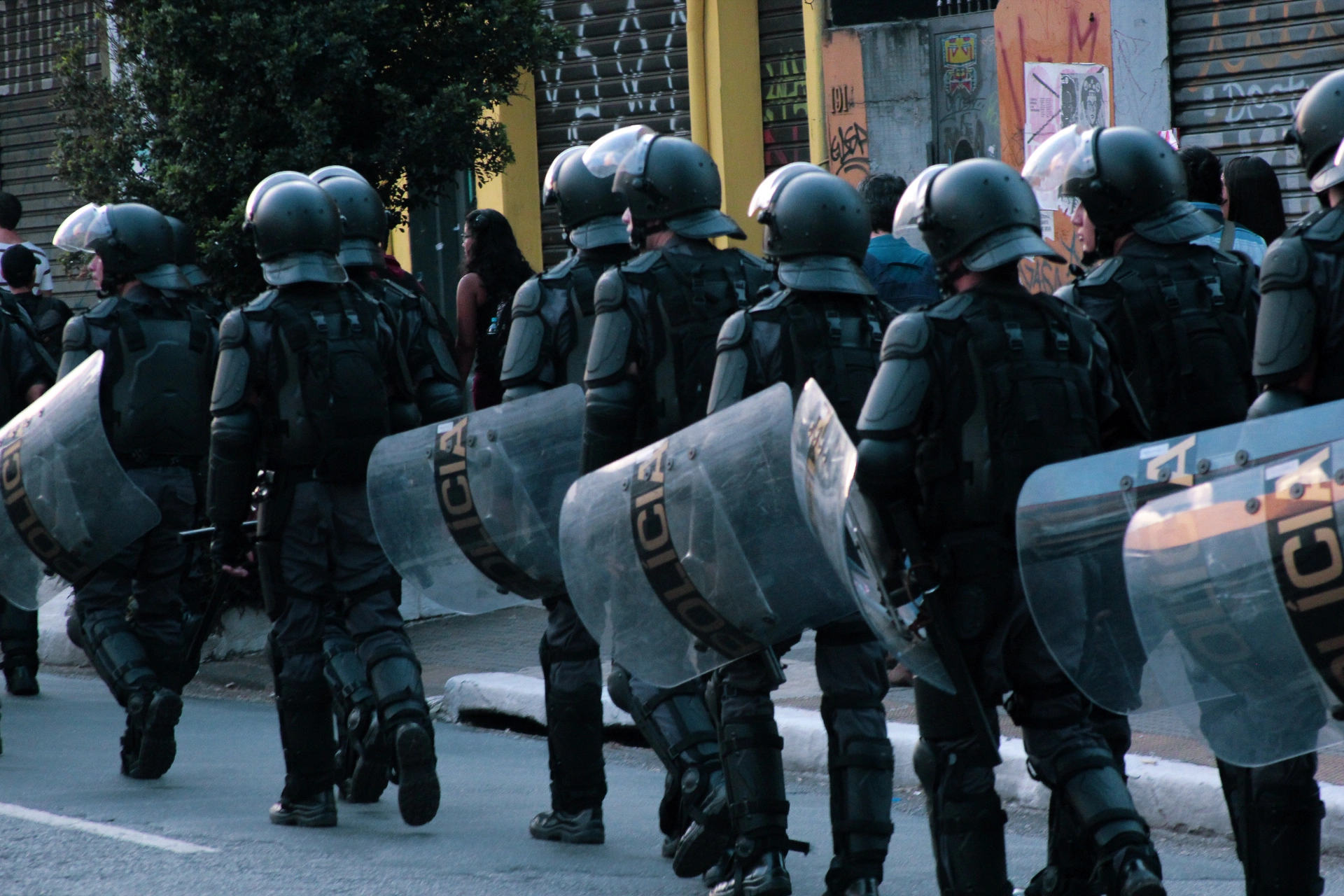
A new push to expand the role of the São Paulo police is under way, as the city moves to turn its municipal guard into a force with broader powers and ties it to a vast camera network.
São Paulo has launched a joint security operation that links its three policing bodies under one banner. The program is called Integra SP, and it was unveiled at the city’s famous carnival arena.
It brings together the state’s Civil Police, the Military Police and the city’s own Civil Guard. For a foreign reader, that mix is unusual, because policing in Brazil is mostly a job for state governments, not city halls.
What the São Paulo police plan changes
The bigger ambition sits behind the operation. The city wants to recast its Civil Guard, traditionally a lightly armed body that protects parks and buildings, as a “Metropolitan Police.”
That would give the municipal force a far larger role in fighting everyday crime. A ruling by Brazil’s Supreme Court opened the door, accepting that city guards can take on policing duties.
It is a meaningful shift in how a Brazilian city is policed. If São Paulo pulls it off, other big cities are likely to study the model closely.
The change also raises questions about overlap and accountability. Three forces working the same streets need clear rules on who does what, or coordination can fray.
Cameras at the center
The plan leans heavily on technology. At its core is Smart Sampa, a network of thousands of street cameras fitted with facial-recognition software.
The system is meant to flag wanted people, suspicious behavior and stolen vehicles in real time. The city even installed an electronic panel downtown that tallies arrests linked to the cameras.
Supporters say the data-driven approach has helped cut some crime. Critics warn that facial recognition misfires, and that the errors fall hardest on Black and poorer residents.
That tension is not unique to Brazil. Cities worldwide are wrestling with the same trade-off between surveillance and civil liberties, and São Paulo is now a large test case.
A shared political project
The launch was a joint affair. Mayor Ricardo Nunes presented the operation alongside Governor Tarcísio de Freitas, a sign of close alignment between city and state.
Both are figures on Brazil’s political right, and public safety is their signature issue. Tying their names to a high-profile crackdown carries clear electoral value in a national election year.
For an outside observer, the read-through is about more than crime numbers. It is a live experiment in expanding municipal power and in how far camera-led policing can go.
The real test will be the results on the street. Whether an integrated, camera-heavy model lowers violence without trampling rights is the question worth watching.
There is a federal dimension too. Brazil’s constitution assigns most policing to the states, so a city carving out its own force tests the limits of that division.
Business groups tend to welcome a visible crackdown, since crime weighs on commerce and property values. Rights groups counter that heavy surveillance and rushed arrests can erode trust in the city.
For now, the operation is as much a statement of intent as a finished system. The hard work of merging three forces and writing clear rules lies ahead.
What is the São Paulo police plan?
The city launched a joint operation called Integra SP that links the Civil Police, Military Police and its own Civil Guard. It also wants to recast the Civil Guard as a “Metropolitan Police” with broader crime-fighting powers.
Why is this unusual in Brazil?
Policing in Brazil is mostly handled by state governments, not cities. A Supreme Court ruling cleared the way for municipal guards to take on policing roles, which is why São Paulo’s move is being watched closely.
What role do the cameras play?
The plan relies on Smart Sampa, a network of thousands of facial-recognition cameras meant to flag wanted people and stolen vehicles. Critics argue the technology misfires and falls hardest on Black and poorer residents.
More: Brazil news in English, every day from The Rio Times.
Frequently Asked Questions
What is Integra SP and which agencies does it bring together?
Integra SP is a joint security operation launched by São Paulo that links three policing bodies under one banner. It brings together the state's Civil Police, the Military Police, and the city's own Civil Guard. The program was unveiled at the city's famous carnival arena.
What is the 'Metropolitan Police' proposal and what made it legally possible?
The city of São Paulo wants to recast its Civil Guard, traditionally a lightly armed body that protects parks and buildings, into a 'Metropolitan Police' with broader powers to fight everyday crime. A ruling by Brazil's Supreme Court opened the door by accepting a larger municipal role in policing. This is significant because policing in Brazil is normally a job for state governments, not city halls.
What technology is central to São Paulo's expanded policing plan?
The plan relies heavily on Smart Sampa, a network of thousands of facial-recognition cameras. This camera network forms a key pillar of the city's broader security strategy alongside the newly integrated police operation.
Connected Coverage
São Paulo’s Crime Puzzle: Record Lows, Rising Violence
Rio’s New Year’s Eve Party Turns Into a Biometric Policing Showcase
This article was produced by The Rio Times’ automated newsroom system. How we use AI · Report an error · Editorial responsibility: Matthias Camenzind, Editor-in-Chief
Living in or visiting São Paulo? See this month's events and our São Paulo city guide with rents, safety and upcoming concerts.