Economy
Key Facts
—The project. São Paulo is opening the first stretch of its Line 6-Orange metro this week.
—The cost. It is a R$19bn ($3.4bn) public-private partnership, billed as Latin America’s largest such build.
—The scale. When complete it will run 15.3km with 15 stations and carry about 633,000 riders a day.
—The saving. It cuts a trip that takes about ninety minutes by bus to roughly twenty-three minutes.
—The first phase. Six stations open free of charge, running weekdays under assisted operation.
—The wider program. The state’s full rail-expansion package totals about R$190bn.
The São Paulo metro is adding a long-delayed new line this week, a nineteen-billion-real project the state calls the largest of its kind under way in the region.
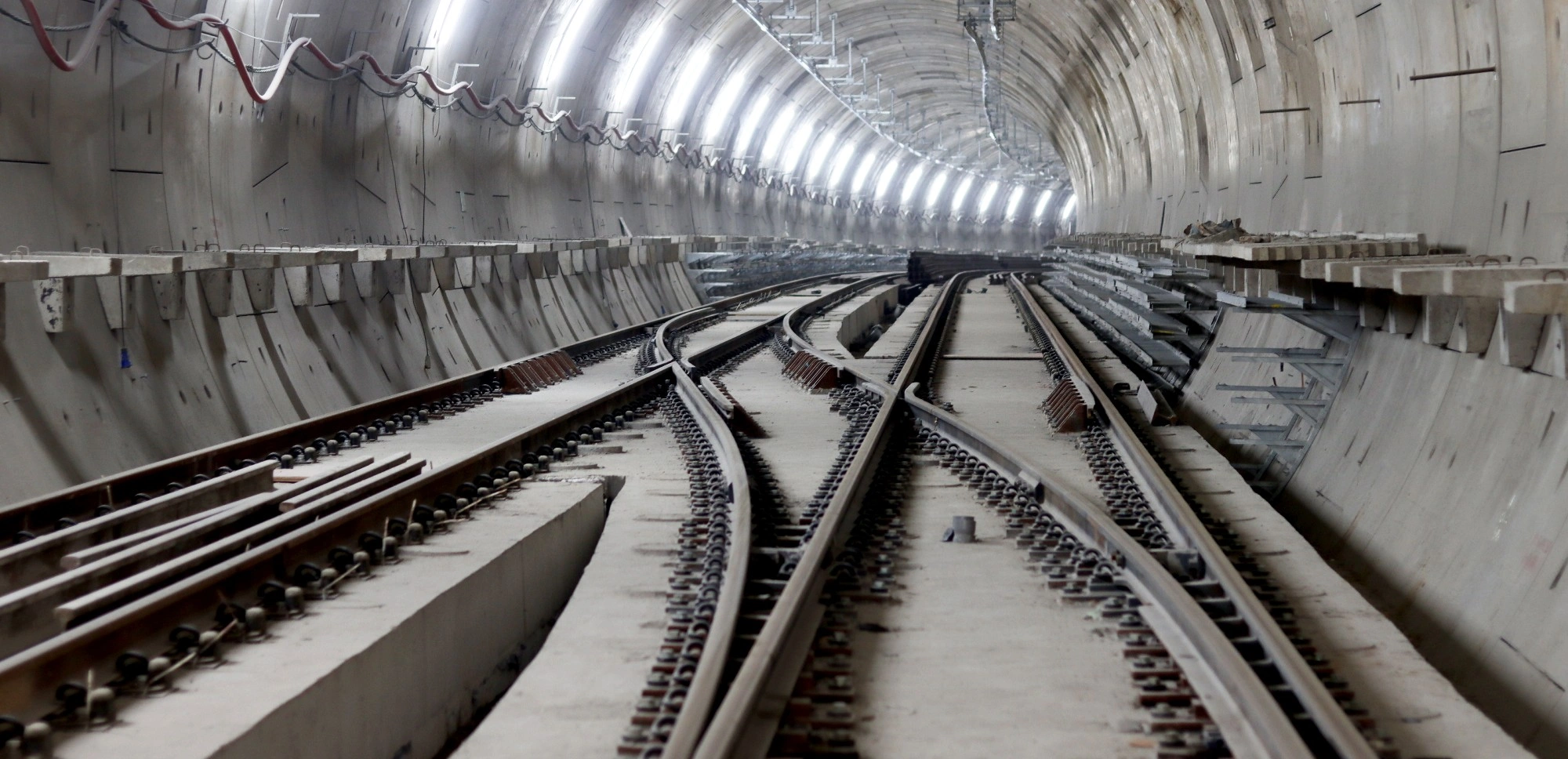
São Paulo has spent a decade promising this line. This week the first piece of it finally opens to the public.
It is a big-ticket project in a city where moving around is a daily ordeal. The state is calling it the largest urban-mobility build in Latin America.
What the new São Paulo metro line delivers
The line in question is Line 6-Orange. It is a public-private partnership carrying a price tag of nineteen billion reais, or about three and a half billion dollars.
When fully built it will stretch just over fifteen kilometres with fifteen stations. The state expects it to carry around six hundred and thirty-three thousand passengers every day according to the state government’s figures.
This first phase is modest by comparison. Six stations open between João Paulo I and Perdizes, free of charge and on a limited weekday schedule while the system is tested.
Assisted operation is standard for a new line. Trains run at wider intervals under close supervision before the service ramps up to full frequency and fares.
The payoff for riders is real, though. A journey that takes about an hour and a half by bus should shrink to roughly twenty-three minutes.
That kind of time saving is transformative in a city this size. For many commuters it can hand back hours each week that are now lost to slow, crowded buses.
A project that came back from the dead
The road here was long. Work on the line stopped in 2016 when the original builder ran into trouble, and it sat idle for years.
A new concessionaire restarted the job in 2020. Tunnelling finished in 2025, dug by two giant boring machines nicknamed after Brazilian historical figures.
The line has picked up a nickname of its own. Because it passes several big universities, locals call it the Line of the Universities.
It will also set a record underground. One of its future stops will be the deepest metro station in Latin America, some sixty-five metres below the surface.
The engineering feats are not just for show. Digging so deep under a dense, built-up city is slow and costly, which is part of why the line took so long.
The rest of the route is due to follow in stages. The state expects further stations later this year and the full line to reach completion the year after.
Why it matters beyond the daily commute
The line is one piece of a much larger bet. São Paulo’s full rail-expansion program adds up to around one hundred and ninety billion reais.
For investors, the model is as interesting as the metro. The partnership structure pairs public money with a private operator, a template Brazil is leaning on to fund infrastructure.
If it works, it points to more such deals in transport, sanitation and energy. If it stumbles, it feeds the doubts that have long dogged big Brazilian public works.
For the more than twenty million people in greater São Paulo, the calculation is simpler. Every fast new line means less time stuck in traffic and more reach across a sprawling city.
There is an economic dividend too. Shorter commutes widen the pool of jobs a worker can realistically reach, which over time lifts productivity across the metro area.
Property tends to follow the tracks as well. New stations usually pull in shops, offices and housing, reshaping neighbourhoods long after the ribbon is cut.
For a foreign resident in the city, the practical gain is immediate. A network that reaches further and runs faster makes daily life in São Paulo markedly easier to navigate.
More: Brazil news in English, every day from The Rio Times.
Frequently Asked Questions
What is the new São Paulo metro line?
It is Line 6-Orange, a public-private partnership costing nineteen billion reais, about three and a half billion dollars. The state calls it the largest urban-mobility project under construction in Latin America.
How much time will it save?
When fully open it should cut a trip of about ninety minutes by bus to roughly twenty-three minutes. The full line will carry around six hundred and thirty-three thousand passengers a day.
Is the whole line open now?
No. Only the first six stations, between João Paulo I and Perdizes, are opening this week, free of charge and on a limited weekday schedule while the system is tested.
Why did it take so long?
Construction halted in 2016 when the original builder faltered, then resumed under a new concessionaire in 2020. Tunnelling was completed in 2025.
This article was produced by The Rio Times’ automated newsroom system. How we use AI · Report an error
Read More from The Rio Times