US$18B Robeco Fund Buys Argentine Stocks After 9 Years
Argentina · Markets
Key Facts
—Who. Wim-Hein Pals, head of emerging markets at Robeco Institutional Asset Management, who oversees about US$18 billion.
—What. He began building an Argentine equity position in the first quarter of 2026 and has been adding since.
—The gap. He had held no Argentine stock for nine years.
—Why now. The energy boom around Vaca Muerta and a record Argentine energy trade surplus in the first half.
—The index. MSCI still classifies Argentina as a Standalone market and has opened no reclassification consultation.
One of Europe’s larger emerging-market investors has started buying Argentine shares again. He did so without waiting for the index provider that usually gives permission.
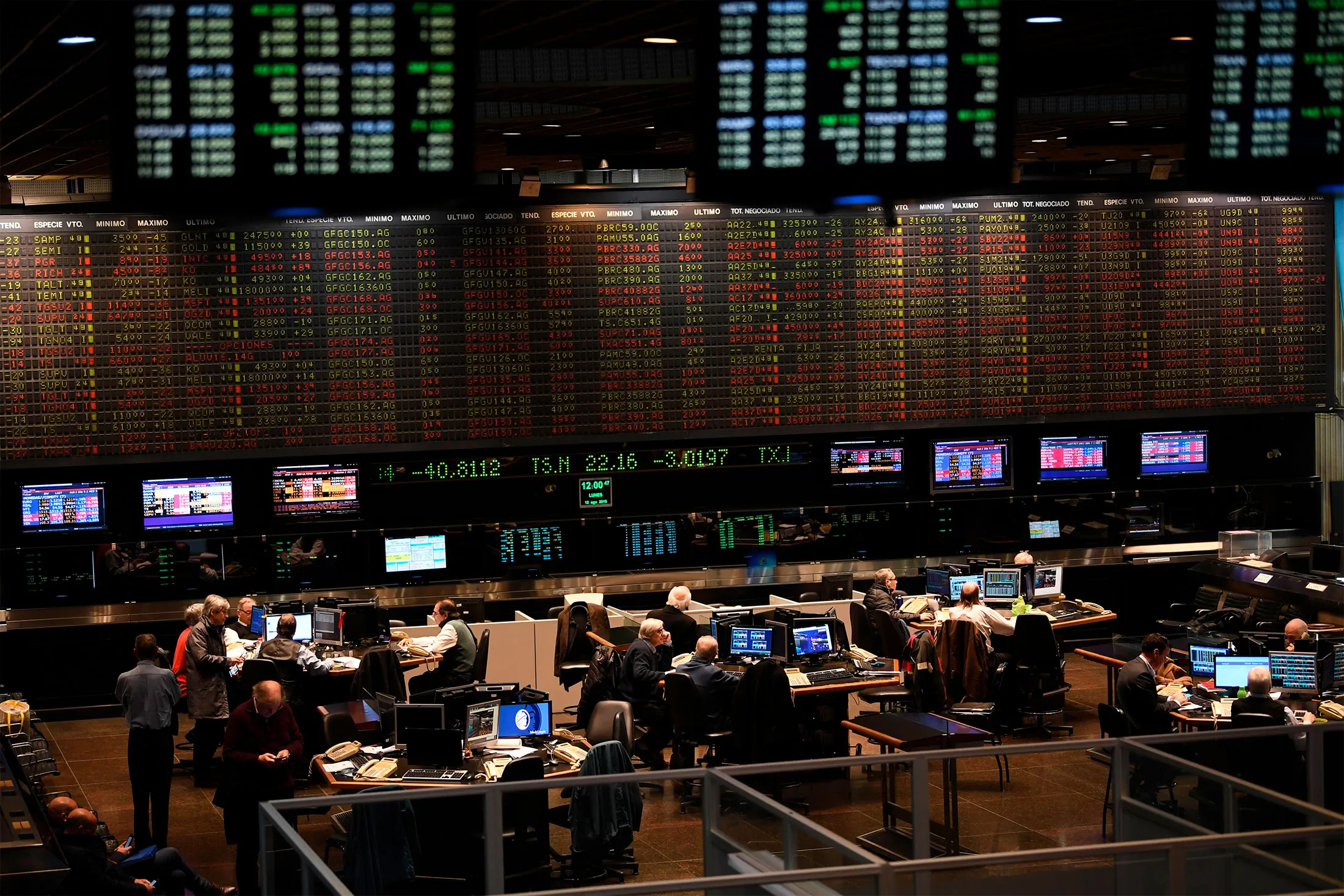
Wim-Hein Pals, who runs emerging markets at Robeco and oversees roughly US$18 billion, sold his last Argentine position nine years ago. He started buying again in the first quarter of this year and has kept adding.
What is notable is the sequencing. He did not wait for MSCI to restore Argentina to a mainstream index first.
Why the index matters so much
MSCI classifies Argentina as a Standalone market, the category below Frontier. Standalone status means the country sits outside the benchmarks that most institutional money is measured against.
A fund manager who buys a Standalone market takes on tracking error with no index credit for being right. Most do not bother.
MSCI confirmed in June that Argentina stays Standalone through 2026, and has not opened a reclassification consultation. The realistic window for a change is around 2028.
The practical effect is that Argentina is invisible to the bulk of global emerging-market capital. Even a dramatic rally may not attract benchmark-tracking funds until the index provider signals an upgrade.
MSCI’s decision not to open a reclassification consultation indicates that the provider sees insufficient progress on accessibility. The realistic window of 2028 could shift further if capital controls are not fully dismantled.
What changed the arithmetic
Vaca Muerta, the shale formation in Neuquén province, is the second-largest shale gas resource in the world and among the largest for shale oil. It has been described as transformative for a decade without being it.
The pipelines finally exist. Argentina posted a record energy trade surplus in the first half of 2026, turning a chronic hard-currency drain into a source of dollars.
For a country whose crises have almost always been balance-of-payments crises, that is a structural change rather than a cyclical one. This surplus reduces the economy’s vulnerability to external shocks and provides a foundation for sustained growth.
Vaca Muerta’s potential has been talked about since 2011, but the lack of transport capacity kept output below expectations. The recent completion of gas pipeline expansions has finally unlocked the resource, allowing exports that were previously impossible.
The energy surplus directly addresses the chronic shortage of dollars that has hamstrung the Argentine economy for decades. With natural gas and oil output rising, the country is poised to become a net energy exporter, a reversal that seemed improbable just a few years ago.
Global demand for reliable hydrocarbon supplies has increased, partly due to geopolitical tensions. Argentina’s emergence as a credible energy exporter could attract long-term strategic investment beyond portfolio flows.
The case against
Argentina has defaulted nine times and has a habit of reversing market reforms with the electoral cycle. Analysts quoted on the MSCI decision put it plainly: the record weighs.
Capital controls have been loosened rather than abolished. Index inclusion ultimately depends on whether a foreign investor can get money out reliably, not on how attractive the shares look.
Investors who wager that reforms will stick through the 2027 electoral cycle are taking a leap of faith. The country’s political landscape remains highly polarized, and policy reversals after elections have been the norm rather than the exception.
Argentine financial markets have rallied multiple times only to collapse when a change in government or a global shock exposed underlying fragility. Even the most patient international investors have lost money betting on Argentine stability.
The peso remains subject to sharp devaluations, and the spread between official and parallel exchange rates still reflects market skepticism. Without a stable currency framework, equity returns can be wiped out in dollar terms.
Why it is worth noticing
Foreign money returning to Argentina is not news by itself; hot money arrives with every rally. A long-only emerging-market manager rebuilding a position after a nine-year absence is a different signal.
Whether it is a leading indicator or a well-timed trade will not be clear for a couple of years. Watch whether other benchmark-constrained managers follow before MSCI moves, or wait to be told.
For institutional portfolios, skipping Argentina once meant avoiding a minefield, but it also meant missing one of the few global markets with the potential to double or triple when things go right. The move by Robeco suggests some are now willing to accept that trade-off.
If other long-only funds follow Robeco’s lead, the incremental inflows could sustain Argentine equities even without MSCI reclassification. However, the lack of an index upgrade limits the scale of such flows.
In previous cycles, foreign buying was led by hedge funds and speculative hot money, not by institutions with multi-year holding periods. The shift to long-only commitments could signal a deeper conviction in the current reform path.
More: Argentina news in English, every day from The Rio Times.
Frequently Asked Questions
Who is buying Argentine stocks again?
Wim-Hein Pals, head of emerging markets at Robeco Institutional Asset Management, who oversees around US$18 billion.
How long had Robeco stayed away?
Nine years. Pals sold his last Argentine position and only resumed buying in the first quarter of 2026.
Is Argentina in the MSCI Emerging Markets index?
No. MSCI classifies it as a Standalone market and has not opened a consultation on reclassification.
What is driving the renewed interest?
The Vaca Muerta energy boom and a record Argentine energy trade surplus in the first half of 2026.
Sources: Infobae · This article was produced by The Rio Times’ automated newsroom system. How we use AI · Report an error
In depth
Read More from The Rio Times
Rotate for Best Experience
This report is optimized for landscape viewing. Rotate your phone for the full experience.
You've reached your free article limit
Subscribe to The Rio Times for unlimited access to expert analysis, market intelligence, and daily briefings on Latin America.