Key Facts
— — Embratur launched a three-part documentary series on favela tourism produced entirely by residents of six Rio de Janeiro communities, marking the first time Brazil’s tourism agency has put favela entrepreneurs at the center of its international marketing
— — Rio de Janeiro received 2.19 million international tourists in 2025, a 43.7% increase over 2024, with January 2026 arrivals up another 17%
— — A new “Made in Brasil” program will train community entrepreneurs in Rio, Salvador, and Recife to develop their own tourism products and digital travel guides
Rio favela tourism moved to the center of Brazil’s international marketing strategy on Monday when Embratur launched a documentary series produced entirely by residents of six communities across the city. The Rio Times, the Latin American financial news outlet, reports that the three-episode series covers Vidigal, Rocinha, Santa Marta, Providência, Mangueira, and Chapéu Mangueira — neighborhoods long associated with poverty and violence that the agency now wants the world to see as cultural destinations.
The production crew of 15 people was drawn exclusively from the featured communities, following what Embratur calls a “place of voice” approach designed to avoid the outsider gaze that has defined most favela coverage. The series premiered internationally in February at the Lisbon Tourism Fair, where favela entrepreneurs participated as co-exhibitors at Brazil’s official stand for the first time.
Favela Tourism as Economic Strategy, Not Safari
Embratur president Marcelo Freixo framed the initiative as a break from what he called “social safari” tourism — visits that treat favelas as spectacles rather than economies. “Tourism in the favela must be led by the people who live there,” Freixo said at the Rio launch. “That is what generates real impact on the local economy and changes how the world sees Brazil.”
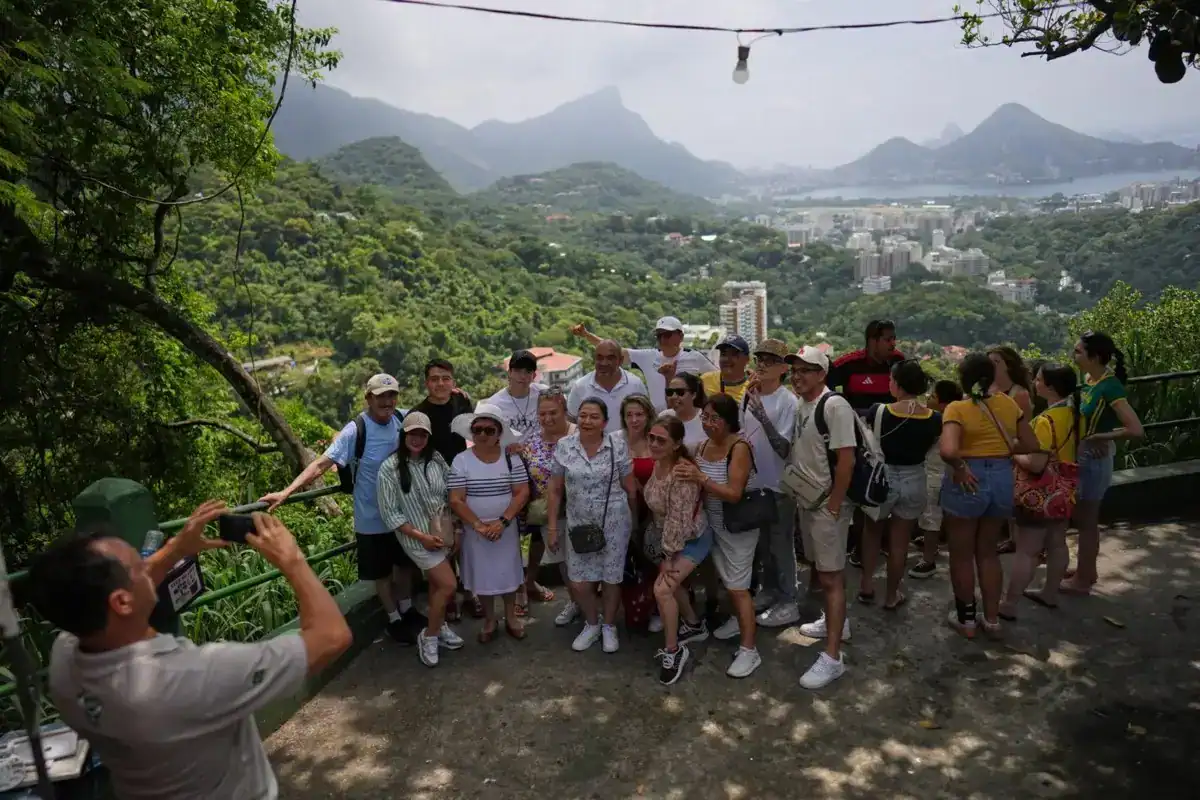
Community leader Gilson “Fumaça” from Santa Marta echoed the point, saying the project is dismantling the idea that visiting a favela requires outside intermediaries or carries inherent danger. Patrícia Regina da Silva Ignacio of CoopBabilônia, a reforestation cooperative in Chapéu Mangueira, noted that international tourists increasingly want to hear stories from residents themselves rather than from external guides.
A Broader Program Takes Shape
The documentary is part of a wider push. Embratur is preparing a program called “Made in Brasil” in partnership with CIEDS, a social development organization, to train community entrepreneurs in Rio de Janeiro, Salvador, and Recife. The initiative includes territorial assessments, branding workshops, innovation marathons, and business incubation processes designed to help residents develop their own tourism products and digital travel guides.
A parallel project called “Rocinha Mundo Afora” aims to integrate the community into the itineraries of major international tour operators. The “Laboratório de Encantadores,” developed with the Universidade Federal Fluminense, has already trained hundreds of guides and drivers across Rio state, preparing them for international visitors with a focus on authenticity and sustainability.
The Numbers Behind Rio Favela Tourism
The timing aligns with a surge in international arrivals. Rio de Janeiro state received 2.19 million foreign tourists in 2025, a 43.7 percent increase over 2024, according to Embratur data.
January 2026 alone brought 274,412 international visitors, up 17 percent year on year. By positioning favelas as cultural destinations, the agency aims to ensure that visitor spending reaches communities directly rather than staying in the hotel corridors of Copacabana and Ipanema.
The debate over favela tourism is not new — critics have long argued that guided tours reduce poverty to entertainment. What Embratur is attempting is different: transferring the narrative, the production, and the revenue to the communities themselves. Whether that model scales beyond documentary shoots and trade fairs will depend on whether the training programs, digital guides, and international operator partnerships deliver lasting economic change to neighborhoods where tourism has historically meant outsiders looking in. Brazil received 9.3 million foreign visitors in 2025, a national record — and the question is whether communities that helped build Rio’s global image will finally share in the returns.
This article was produced by The Rio Times’ automated newsroom system. How we use AI · Report an error · Editorial responsibility: Matthias Camenzind, Editor-in-Chief
Read More from The Rio Times