Brazil Sends $137 Million to Rio’s Biggest Favelas for Upgrades
Brazil · Rio de Janeiro · Cities
— Key Facts
A fresh wave of federal money is heading into the Rio favela districts of Rocinha, Alemão and Maré, the latest sign of Brasília spending directly on the city’s informal neighborhoods.
On Monday, President Luiz Inácio Lula da Silva announced about 703 million reais, roughly 137 million dollars, for upgrades to favelas in the city of Rio de Janeiro. The money comes from federal housing and urban-works programs.
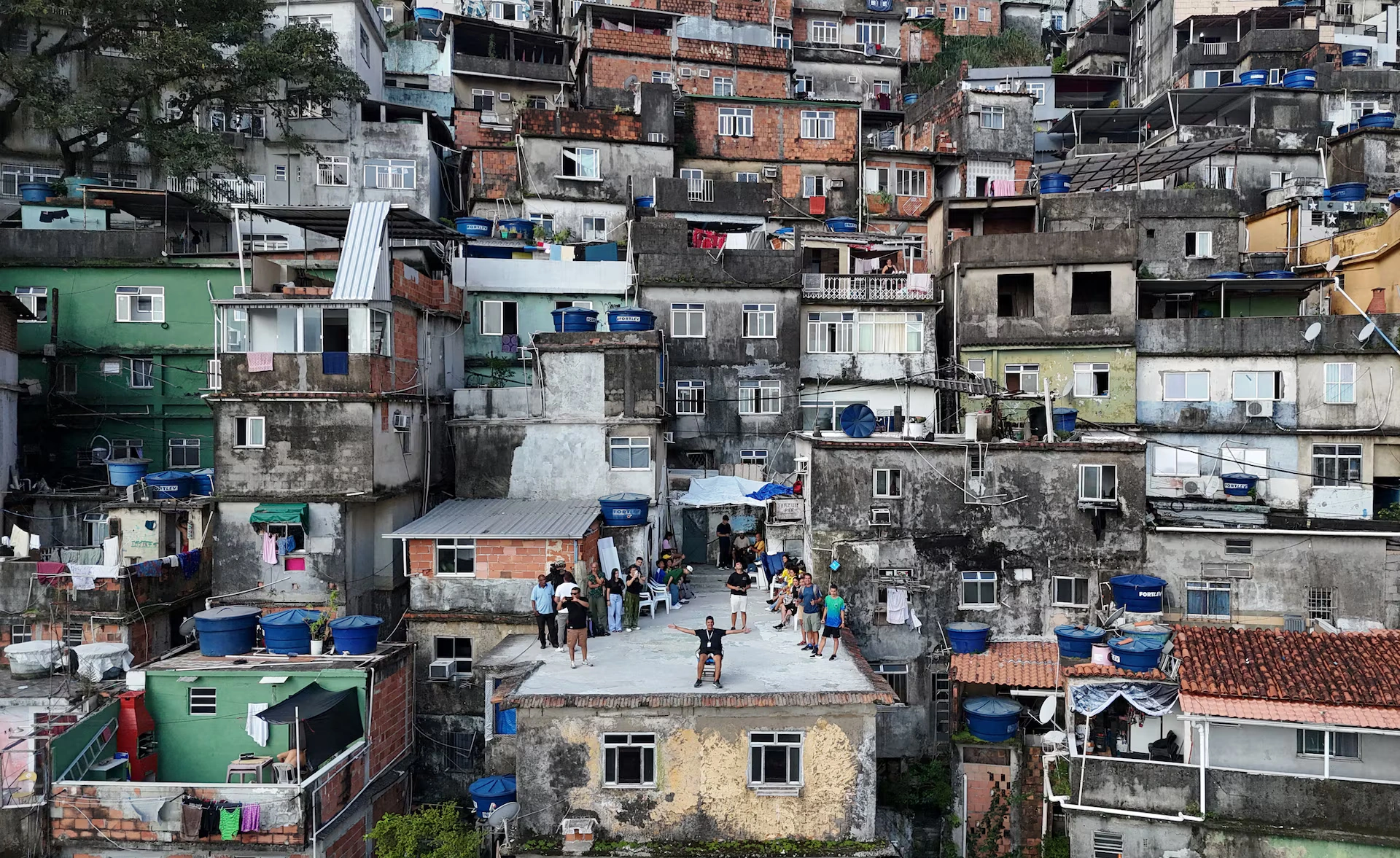
For a foreign reader, a favela is an informal neighborhood that grew up outside formal planning, often on steep hillsides. Many lack basic services that residents elsewhere take for granted.
Where the Rio favela money goes
The headline figure is split across three of the city’s biggest communities. The largest single piece is a financing contract for Rocinha, widely seen as Brazil’s largest favela, worth 350 million reais, about 68 million dollars.
That plan covers roughly 280,000 square meters of the community and is built around its local master plan. The aim is to reach about 10,000 families living near the works.
The Alemão complex, a cluster of favelas in the north of the city, draws a further package worth around 210 million reais, about 41 million dollars. The city of Rio adds its own smaller share on top of the federal money.
In Maré, a vast group of communities near the airport road, the plan funds a new linear park and an environmental collection point. The works lean heavily on basic services rather than showpiece projects.
Basic services, not showpieces
The list of works is deliberately unglamorous. It centers on sewage networks, water supply, electrical wiring, public lighting, paving and drainage.
One quieter item may matter most over time. Part of the spending goes to land regularization, the legal recognition of homes built on land without formal title.
That gap is the single biggest unresolved issue in Brazilian favelas. Without a title, a resident cannot easily get a mortgage, claim full property rights or access some city services.
Separately, in the Guaratiba district, the government began works that include a dike and rainwater reservoirs. The goal is to protect about 30,000 people from the flooding that hits low-lying parts of the city.
Why this round looks different
Rio has seen favela-upgrade promises before, and many past projects stalled or were left half-built. Residents have learned to watch delivery, not announcements.
What stands out this time is the source of the cash. This is federal money from Brasília, layered on top of the city government’s own recent infrastructure plan rather than replacing it.
For an outside observer, that federal-and-city overlap is the signal worth tracking. It points to political alignment between the national government and Rio’s city hall, at least on this spending.
The real test, as ever in Brazil, is whether the works actually get finished. The plans are participatory on paper, meaning residents are meant to help set priorities, but delivery is what will count.
The scale of the need is large. By recent counts, more than seventeen million Brazilians live in favelas and similar communities, with Rocinha alone home to tens of thousands.
For all the political theater around such announcements, the underlying services matter to daily life. Reliable water and working drains are the difference between a passable home and a precarious one.
There is an economic case as well as a social one. Favelas hold large workforces and sizable consumer markets, so upgrades that pull these areas closer to the formal city can pay off over time.
How much is the Rio favela package worth?
The federal government pledged about 703 million reais, roughly 137 million dollars, for favela upgrades in the city of Rio. A signed contract directs 350 million reais of that, about 68 million dollars, to Rocinha alone.
Which communities benefit?
The money targets three of Rio’s largest favelas: Rocinha, the Alemão complex and Maré. A separate project in the Guaratiba district funds flood defenses for about 30,000 residents.
What will the money pay for?
Most of it funds basic services such as sewage, water, drainage, paving and lighting. Part also goes to land regularization, giving residents legal recognition of homes built without formal title.
Background: Brazil Election Polls 2026: All Surveys, All Candidates.
Background: Brazil Overhauls Tax System: A New Era for Business and Economy.
How much federal money is being invested in Rio de Janeiro's favelas, and which communities will benefit?
The Brazilian federal government committed approximately 703 million reais (7 million) to upgrade favelas in Rio de Janeiro. The funding targets three of the city's largest communities: Rocinha, the Alemão complex, and Maré.
What types of improvements are planned for Rocinha with its share of the funding?
Rocinha, widely regarded as Brazil's largest favela, will receive 350 million reais ( million) through a signed financing contract. The plans cover sewage, water, drainage, paving, lighting, and the legal recognition of land titles.
Is there any flood protection included in the broader investment plan?
Yes, a separate project in Guaratiba includes funding for a dike and reservoirs designed to protect 30,000 residents from flooding. This flood protection initiative is distinct from the main favela upgrade funding directed at Rocinha, Alemão, and Maré.
Connected Coverage
Rio de Janeiro’s 2028 Investment Plan: Mobility, Security and Buses
This article was produced by The Rio Times’ automated newsroom system. How we use AI · Report an error · Editorial responsibility: Matthias Camenzind, Editor-in-Chief