Putin’s Stark Demand: Surrender Territory for Peace Talks with Ukraine
In a bold ultimatum, Russian President Vladimir Putin demanded Ukraine withdraw its forces from four eastern regions: Donetsk, Luhansk, Kherson, and Zaporizhzhia.
He links these withdrawals to the start of peace talks and a Russian ceasefire.
Russian is widely spoken in all these regions in eastern and southern Ukraine with strong Russian cultural influence.
Additionally, Putin wants Ukraine to drop its aspirations to join NATO. He articulated these conditions in a speech to his Foreign Ministry on Friday.
This call precedes a Swiss-hosted peace conference which aims to support Ukraine’s plea for a Russian retreat. Notably, Russia was excluded from this meeting.
Putin’s terms essentially require Ukraine to surrender these areas to initiate negotiations, a stance Kyiv has firmly rejected since the 2022 invasion.
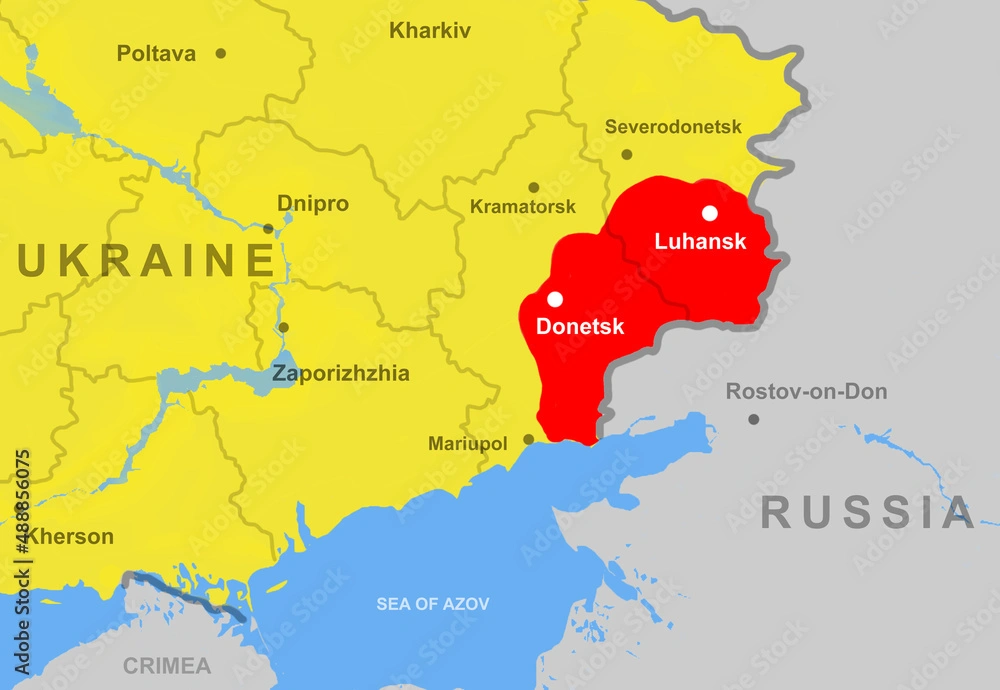
Putin outlined ceasefire and negotiation conditions: Kyiv must signal readiness, begin troop withdrawals, and formally drop NATO membership plans.
However, Kyiv remains resolute, unwilling to engage with Russia until it vacates the occupied zones.
Ukrainian officials argue that such a ceasefire would merely allow Russia to regroup for future attacks.
Despite lacking full control, Putin in September 2022 declared these regions permanently Russian.
Previously, before launching the invasion, Putin had insisted that Ukraine renounce its NATO membership and adopt a neutral, demilitarized status.
Putin’s Stark Demand: Surrender Territory for Peace Talks with Ukraine
On Friday, he reiterated these demands, warning Kyiv and the West of unfavorable consequences if dismissed.
The ongoing conflict between Russia and Ukraine continues to shape geopolitical dynamics, significantly affecting regional stability and international relations.
With both parties steadfast in their positions, the likelihood of a peaceful resolution seems bleak.
The international community stays vigilant, recognizing the broader implications of resolving this dispute.
The outcome could profoundly influence future diplomatic engagements globally.
This article was produced by The Rio Times’ automated newsroom system. How we use AI · Report an error
Read More from The Rio Times