An Artist Made a Whole Rio Show From Honey, Wax and Bees
Culture
Key Facts
—The show. A Rio museum is hosting “PRO-POLIS,” an exhibition made entirely from materials produced by bees.
—The artist. Ricardo Siri is a Brazilian artist and award-winning keeper of native bees.
—The materials. Around twenty new works are made from honey, beeswax and propolis.
—The run. It is on view until August 22, 2026, with free entry.
—The place. The show is at the City History Museum in Gávea, in Rio’s leafy south.
One of Rio’s most unusual shows this winter was not painted with paint. A striking art exhibition in Gávea is made almost entirely from honey, beeswax and propolis.
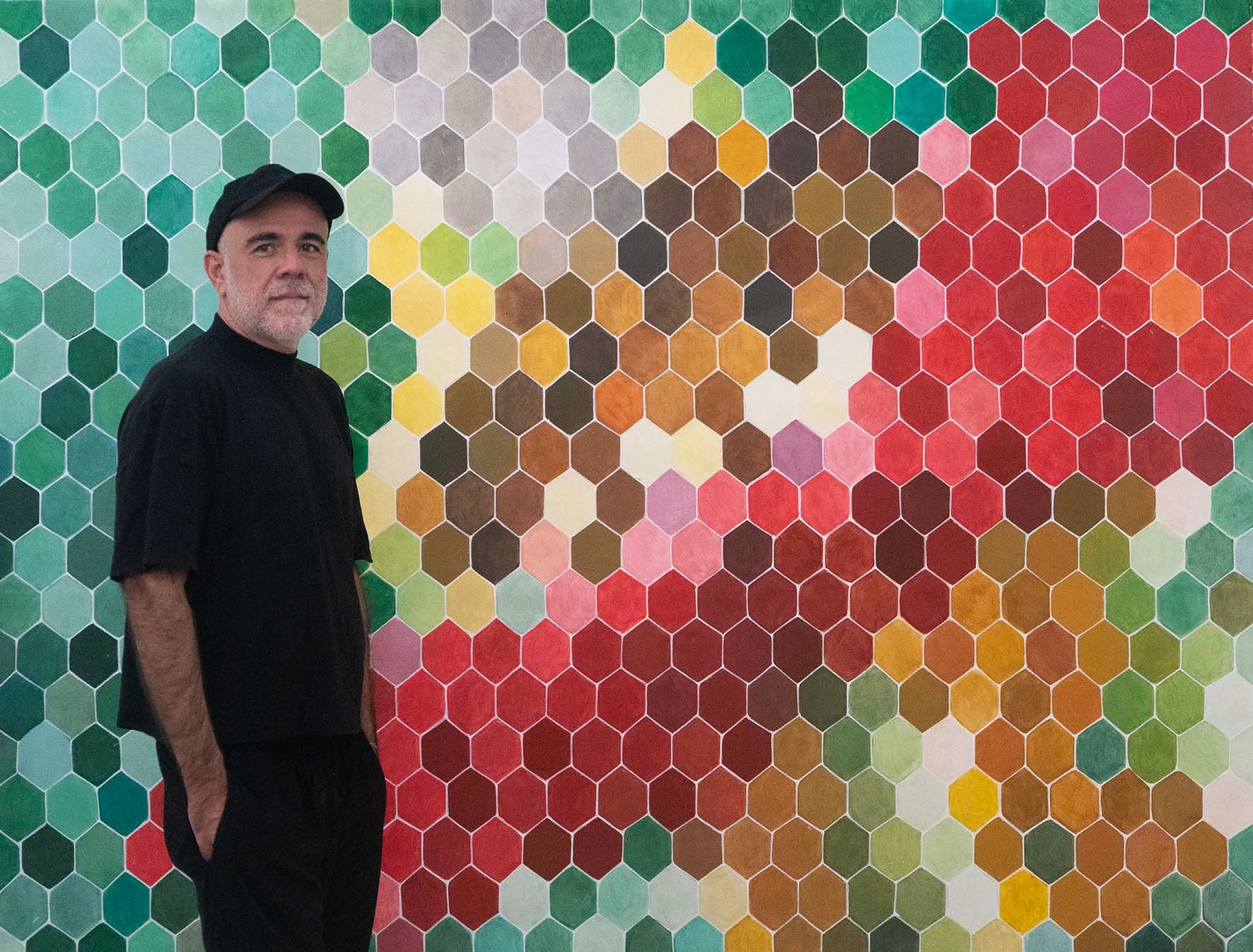
The show is called “PRO-POLIS,” a play on the sticky substance bees use to seal their hives, as listed in the city’s cultural agenda. It brings together around twenty new works by the Brazilian artist Ricardo Siri.
Siri is not only an artist. He is also an award-winning keeper of native Brazilian bees, once recognised for producing one of the country’s best honeys.
That double life is the whole point. About eight years of studying and raising bees eventually spilled over into his art, and this show is the result.
Why this art exhibition is different
The materials do the talking. Propolis becomes paint, carrying natural browns, greens and reds that hold traces of the landscapes the bees flew through.
The colours are entirely natural. A series of works honouring the painter Piet Mondrian uses only honey and wax from different bee species, with no artificial pigment at all.
Geometry runs through it. Trained as a civil engineer, Siri shapes wax into hexagons that echo the honeycomb and nod to a landmark movement in Brazilian modern art.
There is a clear message too. The works link nature, city and culture, drawing attention to the quiet, collective labour that keeps a hive, and a society, running.
What a visitor will find in the art exhibition
Some pieces reward a phone. Siri has cut QR codes from sheets of beeswax that, when scanned, lead visitors inside the hives that made the material.
Others play a visual trick. Certain paintings look like fields of coloured hexagons, but photograph them and a hidden bee or flower appears on the screen.
The artist calls it pollination. The idea is to make distracted, phone-in-hand visitors look more closely, turning a quick snap into real attention.
Migration is a theme as well. World maps made from the wax of non-native bees draw a parallel between the movement of insects and the movement of people.
Some works even carry the soil. A few use geopropolis, a mix of earth and propolis made by certain native species, tying the art directly to specific patches of land.
Most of the raw material is homegrown. It comes from the artist’s own colonies of native bees, with a few pieces using wax from foreign species now found in Brazil.
How to see it
The setting suits the subject. The City History Museum sits inside a green city park in Gávea, a calm, leafy pocket of Rio’s south.
The practical details are easy. Entry is free, the show runs until August 22, and the museum opens Tuesday to Sunday during the day.
For a visitor, it is a rewarding detour. It sits well off the usual tourist trail, pairing an unusual show with a quiet park and a view over the city’s south.
It also carries a gentle message. In a city famous for its beaches and noise, a show about bees and slow, collective work is a quiet argument for paying closer attention.
What is the PRO-POLIS art exhibition?
PRO-POLIS is an art exhibition at Rio’s City History Museum in Gávea, featuring around twenty new works by Ricardo Siri made entirely from honey, beeswax and propolis. It runs until August 22, 2026, with free entry.
Who is Ricardo Siri?
Ricardo Siri is a Brazilian transdisciplinary artist and award-winning keeper of native bees. His work grew out of roughly eight years of studying and raising bees, using the materials they produce as his artistic medium.
Where and when can I see it?
The show is at the Museu Histórico da Cidade in Gávea, set inside a city park in Rio’s south. Entry is free, and the exhibition runs until August 22, 2026, open Tuesday to Sunday during the day.
Connected Coverage
Rio’s Great National Art Museum Is Coming Back to Life
Is Rio Safe in 2026? An Honest Look for Expats and Visitors
Latin America Economy 2026: Growth, Tariffs and Opportunities
Frequently Asked Questions
What is the PRO-POLIS exhibition and where is it?
PRO-POLIS is a free art show at the City History Museum in Gávea, Rio de Janeiro, featuring around twenty works made from honey, beeswax and propolis. It runs until August 22, 2026, and the museum is open Tuesday to Sunday.
Who made the artwork and why did he use bee materials?
Brazilian artist Ricardo Siri made all the works, drawing on about eight years of studying and raising native bees as an award-winning beekeeper. That long experience with bees eventually spilled over into his art, making honey, beeswax and propolis his main materials.
Is there anything interactive for visitors to do at the show?
Yes — some works have QR codes cut from beeswax that, when scanned, take you inside the hives that produced the material. Other paintings hide a bee or flower image that only appears when you photograph them with a phone.
This article was produced by The Rio Times’ automated newsroom system. How we use AI · Report an error · Editorial responsibility: Matthias Camenzind, Editor-in-Chief
Living in or visiting Rio de Janeiro? See this month's events and our Rio de Janeiro city guide with rents, safety and upcoming concerts.