PetroTal to Restart Peru Oil Drilling After a Three-Year Permit Delay
Energy
Key Facts
PetroTal, Peru’s largest oil producer, will restart development drilling in October 2026 after a single environmental permit took about three and a half years to clear. The story of PetroTal Peru is a sharp lesson in how red tape, not geology, now sets the pace in the country’s oil patch.
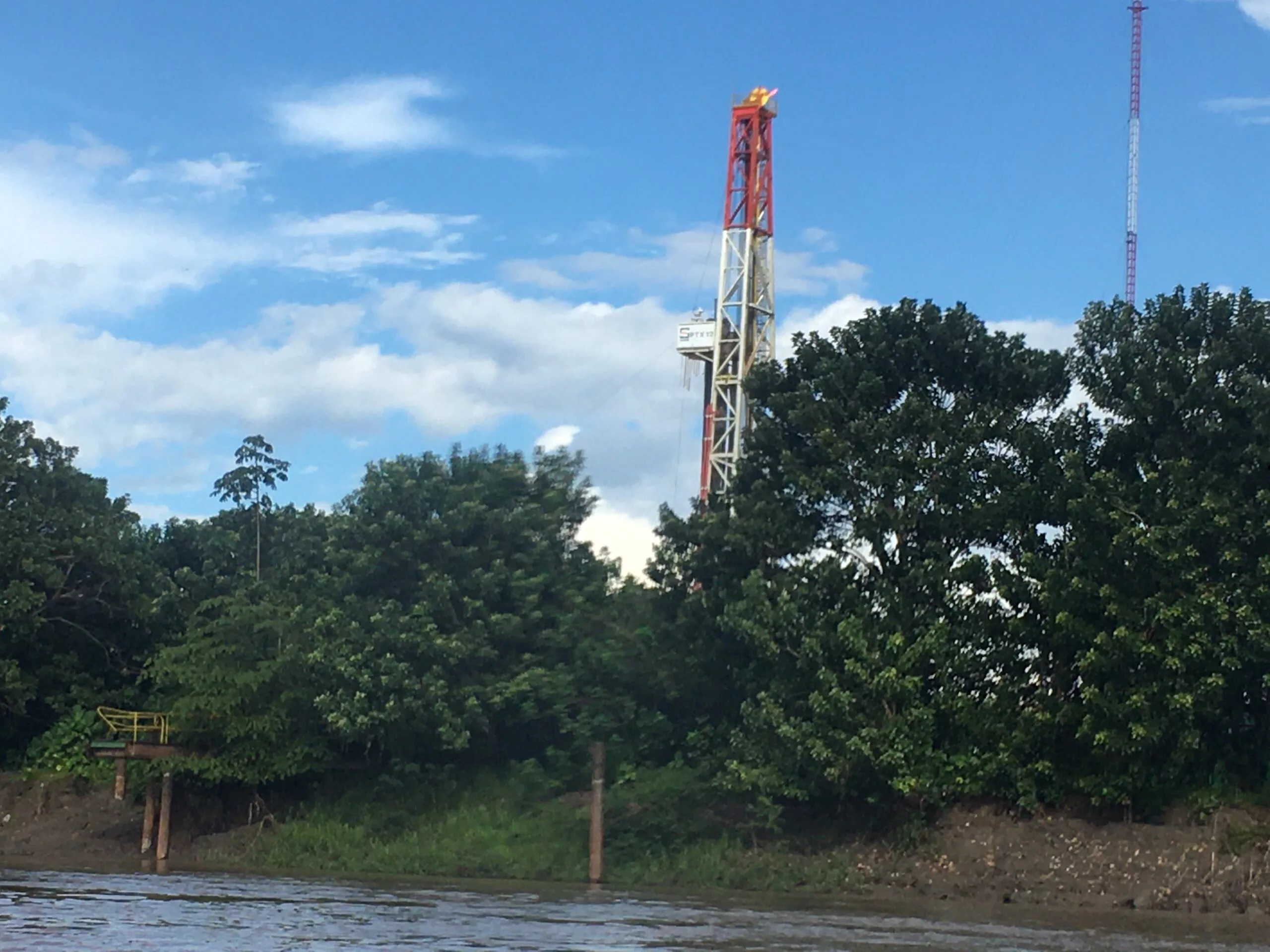
PetroTal is not a household name, but in Peru it matters. It is the country’s largest crude oil producer, and it does its pumping in an unlikely place: the Bretaña field, deep in the Loreto region of the Amazon, reachable mainly by river.
The company is listed in London and Toronto, which makes it one of the few ways a foreign investor can buy directly into Peruvian oil. That listing is also why its troubles are worth watching from afar.
For most of the past four years, the company has been unable to drill the new wells it needs to grow. The reason was not money or oil in the ground, but a piece of paper.
Why PetroTal Peru lost three years to paperwork
To expand the field, PetroTal needed a revised environmental licence covering a larger set of wells. The chief executive, Manuel Zúñiga, says that approval took about three and a half years to come through.
The permit, known locally as a modified environmental impact study, was finally signed off by Peru’s environmental certification agency on March 18. It clears the way for up to 23 new production wells and five injection wells.
Zúñiga did not hide his frustration, telling Peruvian outlet El Comercio that the wait had held back the company’s investment. As a sector, he said, the country needs the deadlines to actually be met.
That complaint lands on a wider sore point. Peru sits on real oil and gas potential, yet companies routinely cite slow permits, short contract terms and political churn as reasons to hold back.
The result is a country that imports far more crude than it pumps, with national output stuck near multi-decade lows. Each deferred project widens that gap and pushes the next discovery further out.
What the PetroTal Peru restart looks like
With the licence secured, the company is moving. It has signed a contract for a drilling rig and plans to restart development drilling in October.
Getting the rig there is its own adventure. The equipment is finishing a job in neighbouring Colombia and will then be hauled to the Peruvian Amazon by road and river, the same way heavy gear has reached the remote field before.
The goal is to push production back above 20,000 barrels a day in 2027, up from around 15,000 now. Output has been capped less by the size of the reservoir than by how much water the field can pump back underground, a constraint the company is also working to ease.
The finances give it room to try. PetroTal lifted its 2026 earnings guidance to between US$110 million and US$120 million, sold its crude for about US$90 a barrel in March, and held roughly US$128 million in cash at the end of the first quarter.
That cash pile matters because the company funds its growth from its own cash flow rather than heavy borrowing. First-quarter core earnings jumped about 90 percent from the previous quarter, helped by firmer oil prices, giving it the cushion to pay for the drilling restart without leaning on debt markets.
What it means for investors
The lesson here is not about one company. PetroTal is well run and well funded, and it still lost years to a process that should be measured in months, which is exactly the kind of risk that makes global capital wary of the country.
The October restart becomes the real test. If the drilling proceeds on time and output climbs, it is a small sign that Peru can still turn its oil into production; if it slips again, the delay will look less like bad luck and more like the system working as usual.
More: Latin America news in English, every day from The Rio Times.
Frequently Asked Questions
What does PetroTal Peru do?
PetroTal is the largest crude oil producer in Peru, operating the Bretaña field in the Amazon region of Loreto. It is listed on the London and Toronto exchanges, which makes it one of the most direct ways for an international investor to gain exposure to Peruvian oil.
Why was its drilling delayed?
The company needed a revised environmental permit to drill more wells, and that approval took about three and a half years. It was finally granted on March 18, allowing development drilling to resume later in the year.
When will production rise?
Drilling is set to restart in October 2026, with the company aiming to lift output back above 20,000 barrels a day during 2027, up from roughly 15,000 barrels a day at present.
Connected Coverage
Oil and Energy in Latin America 2026: The Complete Guide
This article was produced by The Rio Times’ automated newsroom system. How we use AI · Report an error · Editorial responsibility: Matthias Camenzind, Editor-in-Chief