El Ingenio, a Wong-Linked Sugar Firm, Leaves Lima’s Market
PERU · MARKETS
Key Facts
- —What happened The Wong-linked sugar producer is completing its exit from the Lima Stock Exchange.
- —Who approved it Peru’s market regulator, the SMV, cleared the exclusion in a resolution dated 13 January 2026.
- —The mechanism Minority holders are bought out through a mandatory tender offer known in Peru as an OPC.
- —The catch The delisting is not final yet; it takes effect only once that offer is executed and settled.
- —The latest step Gestión reported on 7 September that an offer covering 24,214 common shares had been adjudicated.
- —The owner The company is linked to Corporacion E. Wong, the family group behind Peru’s Wong supermarkets.
The regulator cleared the exit in January. It only takes effect once the last minority shareholders have been bought out.
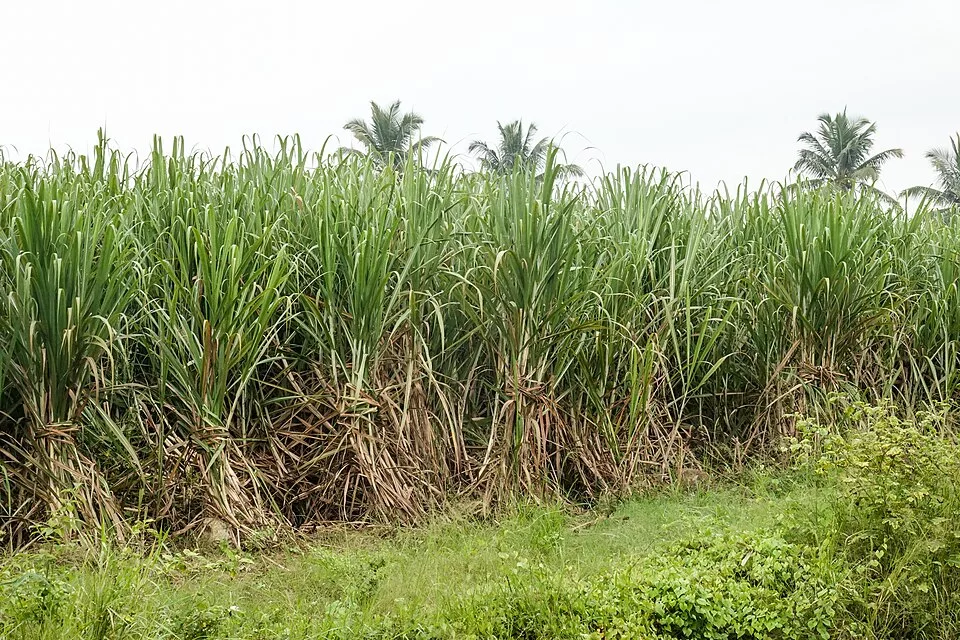
El Ingenio, a Peruvian sugar company, is finishing its exit from the stock market. The delisting has been approved and is now in its final stage.
Its full name is Empresa Azucarera El Ingenio, and it is linked to Corporacion E. Wong, the group behind the Wong supermarket chain.
Peru’s market regulator cleared the move in January. The order has been waiting on one remaining step ever since.
That step is the buyout of minority shareholders. Until it settles, the shares stay on the register.
What the Regulator Decided
The Superintendencia del Mercado de Valores issued resolution 001-2026-SMV/11.1 on 13 January 2026. It came from the regulator’s conduct supervision office.
That office handles market conduct rather than prudential matters. Delistings fall to it because they affect how investors are treated.
The resolution removes the company’s common shares from Peru’s public securities register. It also endorses their removal from the Lima exchange’s own register.
Both removals are conditional. They take effect once the mandatory offer has been carried out and settled.
The corporate decision behind it is older. Shareholders approved the withdrawal at a general meeting on 1 August 2023.
How Minority Shareholders Are Treated
Peruvian law does not let a company simply leave the market. It must first offer to buy out the holders who would otherwise be stranded.
That offer is the oferta publica de compra por exclusion, or OPC. It is a tender offer specifically tied to delisting.
Gestión reported on 7 September that an offer adjudicating 24,214 common shares had been executed. That small block suggests the free float was already thin.
Holders who do not sell keep their shares. What they lose is a public market to sell them in later.
Valuing a private Peruvian sugar holding is difficult without a quoted price. Buyers and sellers have to negotiate one from farmland and cash flow.
Why Companies Leave the Lima Exchange
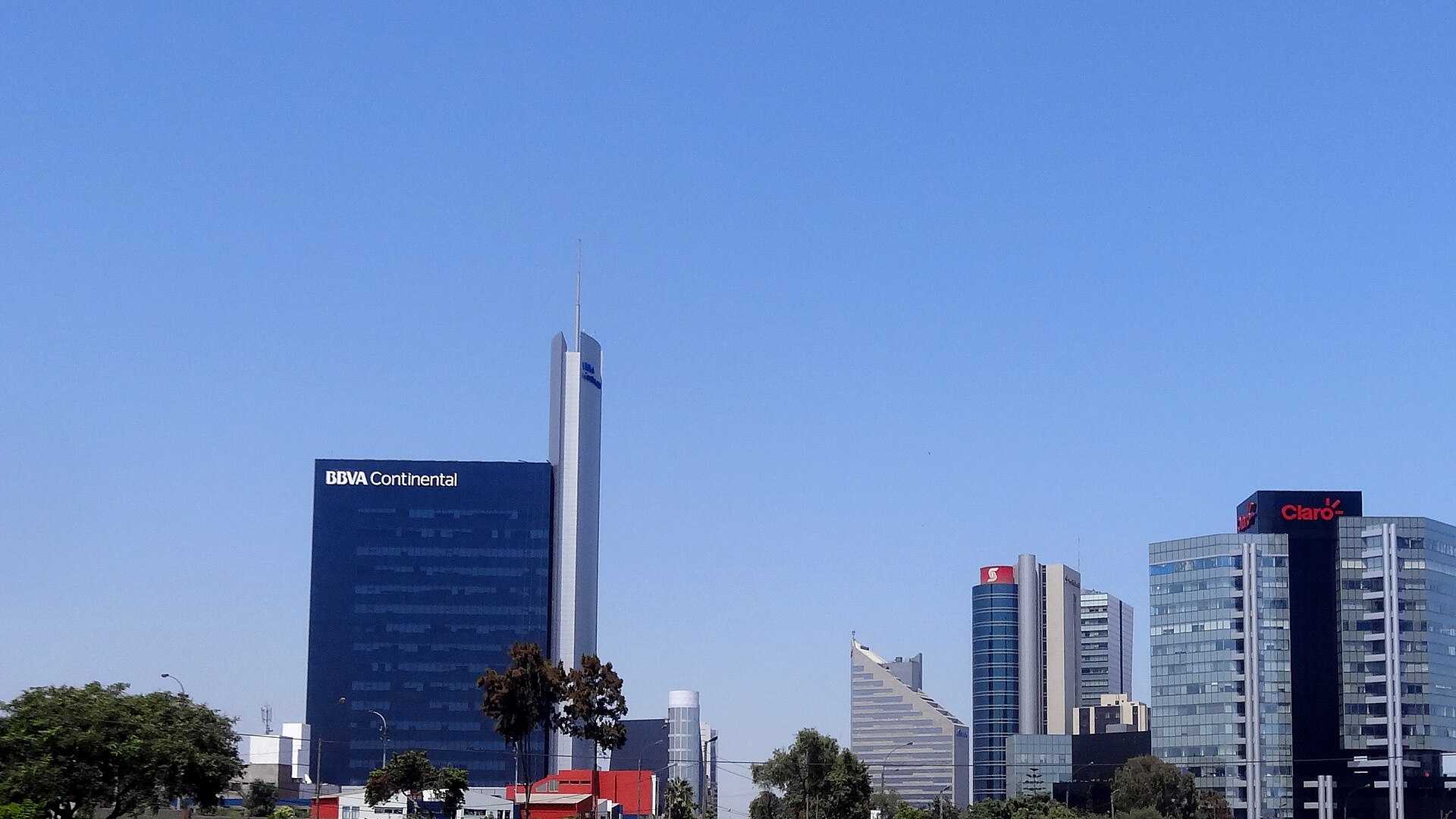
The Bolsa de Valores de Lima has been shrinking for years. Trading volumes are low and listed company numbers have fallen.
For a closely held family business, a listing costs more than it delivers. Disclosure obligations continue whether or not anyone trades the shares.
A thin float makes the calculation worse. When almost no shares change hands, the market price stops being informative.
Delisting removes the reporting burden and the price. Both consequences are permanent.
Peruvian regulators have watched the trend without much power to stop it. A company that wants to leave a market can generally leave it.
The exchange has tried incentives for new listings. None has reversed the direction of travel.
The Wong Connection
Corporacion E. Wong is one of Peru’s established family groups, and it built the supermarket chain later sold to Chile’s Cencosud.
The group retained agricultural and industrial interests after that sale. Sugar is among them.
Peruvian sugar is concentrated in a handful of family and corporate groups. Public listings in the sector are the exception rather than the rule.
Several sugar producers were listed after the agrarian reform era. Most have since consolidated into private hands.
The pattern is regional rather than Peruvian. Family control and public markets sit together uneasily across the Andes.
What to Watch
The first marker is the settlement date of the tender offer. That is the moment the delisting becomes effective.
The second is whether the exchange confirms the removal. The BVL register update is the visible end of the process.
The third is the wider count. Every exit from a small market makes the next listing harder to justify.
More: Peru news in English, every day from The Rio Times.
Frequently Asked Questions
Is the company already delisted?
Not yet. The SMV approved the exclusion on 13 January 2026, but it takes effect only once the mandatory buyout offer for minority shareholders has been executed and settled.
What happens to minority shareholders?
They are offered a buyout through a mandatory tender offer called an OPC. Gestión reported on 7 September that an offer covering 24,214 common shares had been adjudicated. Holders who do not sell keep their shares but lose a public market for them.
Who owns the company?
Empresa Azucarera El Ingenio is linked to Corporacion E. Wong, the Peruvian family group that built the Wong supermarket chain before selling it to Chile’s Cencosud.
Sources: Superintendencia del Mercado de Valores, Bolsa de Valores de Lima, Gestión, El Peruano, Rio Times.
This article was produced by The Rio Times’ automated newsroom system. How we use AI · Report an error · Editorial responsibility: Matthias Camenzind, Editor-in-Chief
Living in or visiting Lima? See this month's events and our Lima city guide with rents, safety and upcoming concerts.