Pampa Energia Shuts the Only Rubber Plant Argentina Had
ARGENTINA · INDUSTRY
Key Facts
- —What happened Pampa Energia has closed its synthetic rubber plant at Puerto General San Martin in Santa Fe province.
- —Why it matters European Rubber Journal identifies it as the only plant in Argentina making styrene butadiene rubber.
- —The workforce Reports put the number affected at about 130, with 100 taking voluntary exits and 25 relocated.
- —The catch The published job figures do not agree: coverage cites 100, 125 and 130 for the same closure.
- —The reason given The company blamed a sharp fall in local demand that made the business unviable.
- —The reaction The SOEPU union declared a state of alert and warned of industrial action.
The plant made a material every tyre factory needs. Argentina now has to buy all of it abroad.
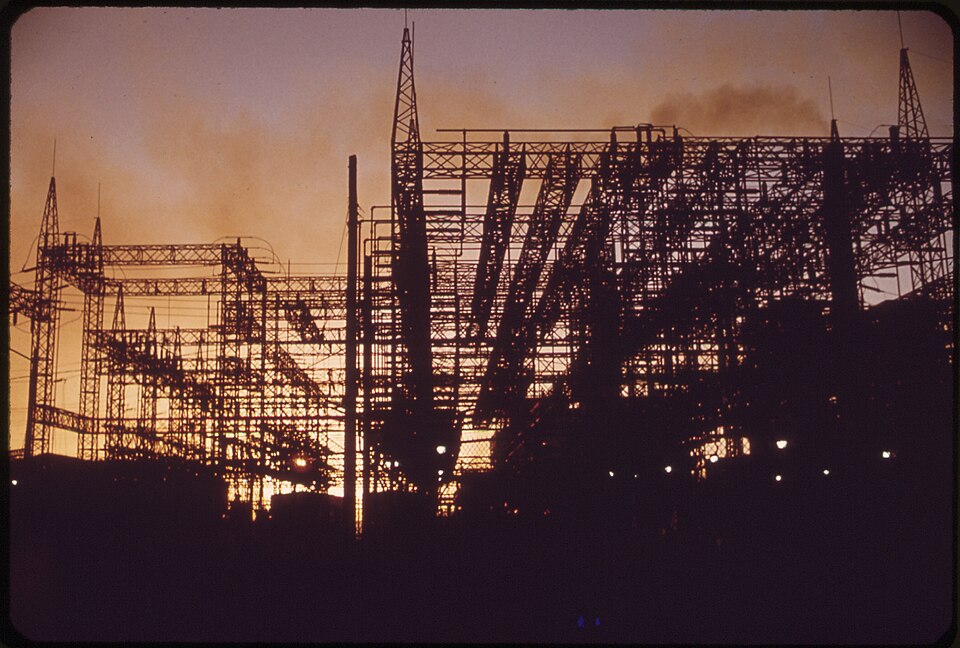
Pampa Energia has closed its synthetic rubber plant in Santa Fe province. The site sat at Puerto General San Martin, on the Parana river.
The plant made styrene butadiene rubber, known in the trade as SBR. European Rubber Journal identifies it as the only Argentine plant making the material.
That is the part worth pausing on. Argentina now imports every kilo of a material its tyre and footwear factories cannot work without.
The company said local demand had fallen sharply. It described the business as no longer viable on those conditions.
How Many Jobs
The published numbers do not agree, and it is better to say so than to pick one. Rosario3 reported 130 posts at risk.
Infobae reported that 100 workers agreed voluntary exits. It said another 25 would be moved to other roles.
Other coverage puts the total affected at 130. The gap between the figures is small but real.
What is not in dispute is the direction. A plant with well over a hundred staff has stopped producing.
The Union Response
The SOEPU chemical workers union declared a state of alert. It warned of industrial action if there were dismissals under the collective agreement.
The dispute went to the Santa Fe provincial labour authority. Negotiations ran through late July and into August.
Voluntary exits changed the shape of the argument. A worker who accepts a package is not a dismissal, and the union loses that ground.
Live Company IntelligencePampa Energia SA ADR — the full investor dossier
Wall Street view
Valuation & profitability
Price & risk
$54.9552-wk high
$94.50
Revenue trend · 6y
Ownership
Dividend
Why the Local Market Shrank
Synthetic rubber demand follows tyre production, and tyre production follows vehicle sales. Argentine vehicle output has been weak.
Import competition did the rest. Cheaper rubber from Asia has been available to Argentine converters as trade restrictions loosened.
A single-plant market is fragile by design. There is no second domestic producer to absorb the volume.
What This Means for Buyers
Argentine tyre makers now depend entirely on imported SBR. That adds freight cost and lengthens lead times.
It also adds currency exposure. A domestically made input priced in pesos becomes a dollar input on a ship.
For a country trying to rebuild industrial exports, losing the only plant in a category is more than one factory closing.
Argentina has run a chronic shortage of dollars for imports. Buyers who once paid in pesos now compete for scarce foreign exchange.
Import permits have been loosened over the past year. That helps availability and does nothing for the currency cost.
The Wider Pattern
Pampa Energia is primarily an energy company. Petrochemicals are a smaller part of what it does.
Its energy business has been expanding, particularly in Vaca Muerta gas. Capital has moved toward that side of the group.
Closing a loss-making chemical line is a normal corporate decision. It is the absence of a replacement producer that makes this one national news.
Argentina has lost several single-plant industries over the past decade. Each closure removes a link that is hard to rebuild.
Rebuilding one requires both capital and a protected market. Neither is on offer at the moment.
What to Watch
The first marker is whether any buyer appears for the site. A mothballed plant can restart; a dismantled one cannot.
The second is the final headcount. The three circulating figures should converge once the labour ministry file closes.
The third is import data. Rising SBR imports through Argentine ports will show the size of the hole the closure left.
Trade figures lag by about two months. The first clear reading should arrive before the end of the year.
The second marker is the union file at the Santa Fe labour authority. It records the final terms each worker accepted.
More: Argentina news in English, every day from The Rio Times.
Frequently Asked Questions
What did the Pampa Energia plant produce?
It produced synthetic rubber, specifically styrene butadiene rubber, or SBR. European Rubber Journal identifies it as the only plant in Argentina making that material.
How many workers were affected?
Published figures differ. Rosario3 reported 130 posts at risk, Infobae reported 100 voluntary exits and 25 relocations, and other coverage cites 130 affected in total.
Why did the company close it?
Pampa Energia said the local synthetic rubber market had fallen sharply and that the change made the business unviable. The SOEPU union declared a state of alert in response.
Sources: Infobae, Rosario3, La Capital, European Rubber Journal, Rio Times.
This article was produced by The Rio Times’ automated newsroom system. How we use AI · Report an error
In depth
Read More from The Rio Times