Peru Pays the Highest Diesel Price in Latin America
PERU · ENERGY
Key Facts
- —The price Peruvian diesel stood at US$7.40 a gallon on data to 7 September.
- —The region Comparable prices across fourteen Latin American countries run between roughly US$3.00 and US$6.00 a gallon.
- —The position Peru is at the top of the list, and not marginally.
- —Who pays it Road freight, fishing, agriculture and mining haulage, all of which are Peruvian export sectors.
- —The backdrop Brent has been above US$100 a barrel since 9 September.
- —The comparison Several neighbours subsidise fuel directly. Peru does not.
Peruvian diesel costs more than twice what it costs in the cheapest country in the region, and every Peruvian export sector moves on it.
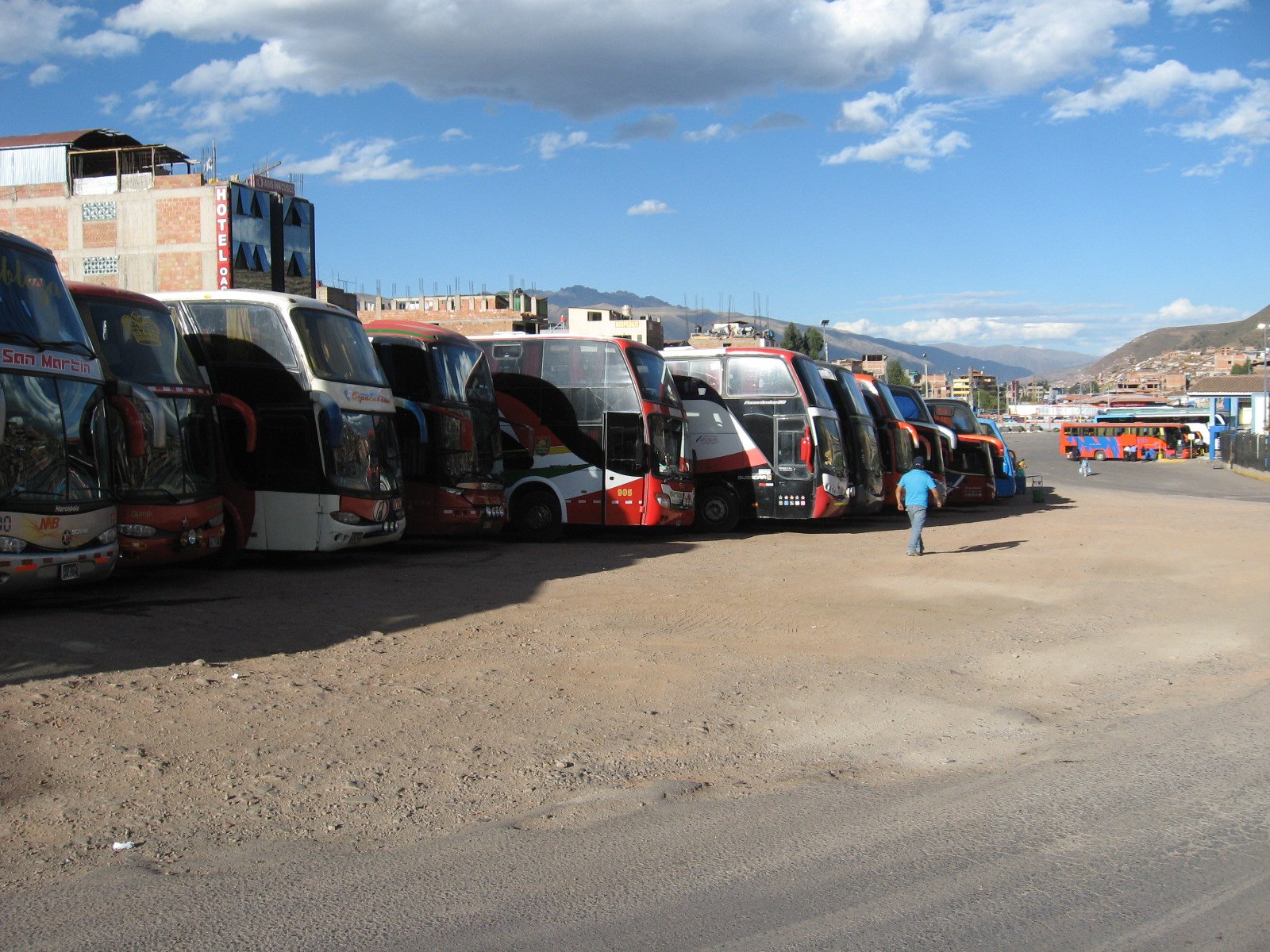
Diesel in Peru stood at US$7.40 a gallon on data to 7 September, against a regional range that runs from about US$3.00 to US$6.00.
The Comparison
The Gestión survey covering fourteen Latin American countries places Peru at the top at US$7.40 a gallon. Mexico, Guatemala, Argentina, Uruguay, Paraguay, Panama, Chile, Costa Rica, Brazil, El Salvador, Nicaragua, Colombia, Ecuador and Bolivia all fall below it, in a band running roughly from US$3.00 to US$6.00.
That is not a small premium. At the bottom of the range Peruvian hauliers are paying more than double what their counterparts pay.

Why It Is So High
Three things separate Peru from the cheaper end of the table. Several of those countries subsidise fuel directly, Bolivia and Ecuador among them, at considerable fiscal cost.
Peru also imports a large share of its refined diesel rather than producing it domestically, which adds freight and margin to every gallon.
And its tax treatment of fuel is heavier than several neighbours, with the selective consumption tax applying on top of the import cost.
None of those is new. What has changed is the oil price. Brent passed US$100 a barrel on 9 September and has stayed there, which raises the whole table and raises the top of it most.

Who It Lands On
Diesel is not a consumer fuel in Peru in the way petrol is. It moves freight, it runs fishing fleets, it powers agricultural machinery and it hauls ore.
All four are export sectors. Peru shipped US$63.5 billion in the first seven months of 2026 and the cost of moving every tonne of it is set by this price.
The fishing exposure is the sharpest. An anchoveta fleet facing an extraordinary coastal El Niño, which ENFEN now puts at 62 percent probability, will be operating at reduced catch against the region’s highest fuel cost.
Neighbouring governments have responded to the oil move with subsidies. Brazil is spending around R$7 billion (about US$1.37 billion) a month holding its pump price. Peru has not announced anything comparable.
How Peruvian Fuel Pricing Works
Peru operates a fuel price stabilisation fund, the FEPC, which is designed to smooth the pass-through of international price moves to the pump rather than to subsidise the price outright.
The mechanism sets a reference band. When international prices sit above it the fund compensates importers, and when they sit below it importers pay in. It has spent much of the past four years in deficit.
That is the structural difference from Bolivia or Ecuador, where the state simply sells fuel below cost and absorbs the gap permanently. Peru smooths, and smoothing does not reduce the level.
What Happens If the Price Stays Up
Brent above US$100 a barrel puts sustained pressure on the stabilisation fund, and a fund in deficit eventually stops smoothing.
Peruvian governments have faced this before. Transport strikes over fuel costs have been a recurring feature of Peruvian politics, and the haulage sector is well organised and quick to act.
A six-week-old government facing the region’s highest diesel price, an El Niño emergency across 893 districts and a fund with limited room has a narrow set of options, none of them cheap.
More: Peru news in English, every day from The Rio Times.
Frequently Asked Questions
How much is diesel in Peru?
US$7.40 a gallon on data to 7 September 2026.
How does that compare?
Against a regional range of roughly US$3.00 to US$6.00 a gallon across fourteen Latin American countries. Peru is the most expensive.
Why is it so high?
Peru does not subsidise fuel, imports much of its refined diesel, and applies a heavier tax load than several neighbours.
Who pays it?
Road freight, fishing, agriculture and mining haulage, all export sectors.
What about the oil price?
Brent has been above US$100 a barrel since 9 September, which raises the whole regional table.
Sources: Gestion.
This article was drafted with automated assistance and reviewed before publication. How we use AI · Report an error
Read More from The Rio Times