Paraguay loses cheapest-country title as Bolivia takes South America’s top spot
Cost of Living
Key Facts
—New ranking. Bolivia now ranks as South America’s cheapest country with a 2026 Numbeo index of 18.98, edging out Paraguay at 20.30.
—Currency effect. The guaraní appreciated roughly 18% against the US dollar between mid-2025 and early 2026, making Paraguayan prices higher in dollar terms.
—Inflation picture. Paraguay’s inflation dropped to about 3.1% in 2025 and sits in the 2–3% range in early 2026, well within the central bank’s target band.
—Urban costs rising. A comfortable single-expat budget in Asunción now runs between $1,100 and $1,700 per month, with modern one-bedroom rents reaching $500 to $900.
—Regional context. Paraguay remains substantially cheaper than Argentina and roughly 10–20% cheaper than Colombia for comparable urban lifestyles.
Paraguay lost its long-held title as South America’s cheapest country in 2026, slipping behind Bolivia in the latest Numbeo cost-of-living index as a stronger currency and rising urban housing costs reshaped the regional affordability map.
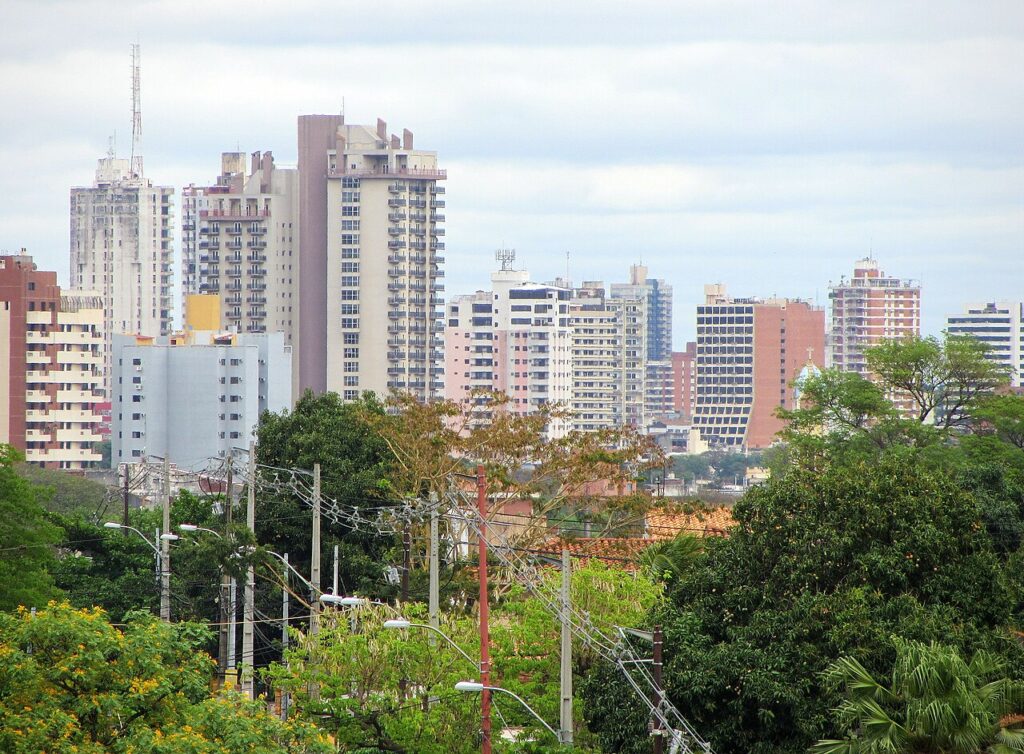
How the ranking changed
The 2026 Numbeo cost-of-living index for South America placed Bolivia in the top spot with a score of 18.98, while Paraguay followed at 20.30. The shift ended Paraguay’s run as the region’s most affordable destination, a position it had held in earlier editions of the widely referenced ranking.
The index aggregates prices for groceries, transport, utilities, rent and dining out, then normalises them against New York City as a baseline. A lower number means everyday life costs less, and Bolivia’s raw prices for food, transport and rent now undercut Paraguay’s by a clear margin.
Other low-cost contenders in the region include Ecuador, Peru and Colombia, though none matched the two frontrunners on the composite measure. Paraguay’s slip to second place reflects a gradual shift rather than any sudden price shock.
Why Paraguay lost the cheapest-country crown
The most important driver is the guaraní’s strength. The currency appreciated roughly 18% against the US dollar between mid-2025 and early 2026, according to Southern Cone economic briefs and central bank data.
For locals paid in guaraní, the stronger currency helped offset domestic inflation by making imported goods cheaper. But for the dollar-denominated indices that expats and investors watch, the same appreciation pushed Paraguayan rents, services and groceries higher in USD terms, even where local-currency prices barely moved.
Inflation itself has been moderate. Paraguay’s consumer price index rose about 3.1% in 2025, down from 3.8% in 2024, and early 2026 readings sit comfortably in the 2–3% year-over-year range. The central bank targets 3.5% with a two-percentage-point tolerance band, and current figures are well within that corridor.
The real story is compounding. Several years of mid-single-digit inflation, combined with rising demand for housing and private services in Asunción, have gradually lifted the baseline cost of urban life. One analysis tracking Numbeo data found the cost of living in the capital rose about 29% in local currency and roughly 36% in USD over five years.
What it costs to live in Asunción now
A single expat living comfortably in Asunción can expect to spend between $1,100 and $1,700 per month in 2026, depending on housing choices and how many imported goods they consume. A modern one-bedroom apartment in a good neighbourhood now runs from $500 to $900 per month, up considerably from rock-bottom levels a few years ago.
For those living a more local-style lifestyle, monthly budgets sit closer to $700 to $1,100. A simple meal at a neighbourhood restaurant still costs just $2 to $4, and public transport remains inexpensive. The gap between local and expat budgets has widened as private schools, private healthcare and security services have become a larger part of realistic urban spending.
Demand-side pressures play a role too. Paraguay’s low-tax environment continues to attract regional firms, migrants and remote workers, all of whom compete for the same limited stock of quality housing in the capital. That demand has pushed rents upward even as the broader economy stays stable.
Paraguay versus the rest of South America
Bolivia now offers the lowest raw prices in the region. A comfortable single budget in La Paz or Cochabamba runs between $650 and $950 per month, with city-centre one-bedroom rents at $250 to $400. Local meals cost $1.50 to $3, and daily backpacker budgets sit at the lower end of the $25 to $35 range.
Paraguay remains substantially cheaper than Argentina. Asunción is roughly 20–30% less expensive than Buenos Aires in dollar terms, driven mainly by lower rent and services. Argentina’s inflation burden remains among the region’s heaviest, and expat budgets in Buenos Aires often land between $1,400 and $2,000 or more per month for comparable comfort.
Colombia sits between the two. A comfortable single lifestyle in Medellín or Bogotá costs roughly $900 to $1,400 per month, with city-centre one-bedroom rents at $400 to $700 and local meals at $3 to $5. Paraguay undercuts Colombia by about 10–20% on monthly budgets, largely thanks to cheaper rent and basic food.
What the shift means for investors and expats
Losing the absolute cheapest-country label does not make Paraguay expensive. It remains one of the most affordable places in the hemisphere to live, do business and base regional operations, especially for anyone budgeting in dollars or euros.
The stronger guaraní is a double-edged signal. It reflects macroeconomic stability, low inflation and steady foreign interest, all of which are positive for long-term investment. But it also means the days of rock-bottom dollar prices for housing and services in Asunción are fading, and anyone planning a move should model budgets on current figures rather than pre-2022 benchmarks.
For regional businesses, the ranking change is largely symbolic. Paraguay’s low tax burden, stable policy framework and young workforce remain intact. The cost advantage over Argentina and Colombia is real and durable, even if Bolivia now claims the number-one spot on raw price comparisons.
What to watch next
The guaraní’s trajectory will be the single biggest factor in whether Paraguay reclaims or solidifies its position. If the currency weakens, dollar-denominated costs will fall and the ranking could flip again quickly.
Housing supply in Asunción is another variable. New construction aimed at the expat and professional market could ease rent pressures over the next two to three years. For now, demand continues to outstrip supply in the most desirable neighbourhoods, keeping upward pressure on the biggest line item in any urban budget.
Bolivia’s own economic trajectory matters too. A weaker boliviano and lower nominal prices for food and transport have preserved its cost advantage, but political and monetary stability will determine whether that lead holds. For the moment, Paraguay remains South America’s second-cheapest country, and still one of the best-value destinations on the continent for anyone earning in hard currency.
More: Latin America news in English, every day from The Rio Times.
Frequently Asked Questions
Is Paraguay still a cheap place to live in 2026?
Yes, Paraguay remains South America’s second-cheapest country and one of the most affordable destinations in the hemisphere. A single person can live comfortably in Asunción on $1,100 to $1,700 per month, and a more local lifestyle is possible on $700 to $1,100. The country is still substantially cheaper than Argentina and Colombia for comparable urban living.
Why did Bolivia overtake Paraguay as the cheapest country?
Three factors combined to push Bolivia ahead. Bolivia has lower nominal prices for food, transport and rent. Paraguay’s guaraní appreciated about 18% against the US dollar, making its prices higher when converted to dollars. And gradual inflation plus rising housing demand in Asunción lifted urban costs over several years, even though Paraguay’s inflation rate remains low and stable.
How much does rent cost in Asunción compared to other South American cities?
A modern one-bedroom apartment in a good Asunción neighbourhood costs $500 to $900 per month in 2026. That compares with $250 to $400 in La Paz, Bolivia, $400 to $700 in Medellín or Bogotá, Colombia, and significantly more in Buenos Aires, Argentina. Asunción rents have risen from very low bases but remain competitive by regional standards.
This article was produced by The Rio Times’ automated newsroom system. How we use AI · Report an error
LatAm Markets: Live Signals → — real-time movers, turnover leaders and FX across Latin America.
Read More from The Rio Times