Brazil Drugstore Panvel Lifts Quarterly Profit 35% to $9 Million
Brazil · Business
Key Facts
—Adjusted net profit. Panvel’s 4Q25 adjusted net profit reached R$45.2 million (US$7.8 million), a 35% year-on-year increase and a quarterly record.
—Gross revenue. Consolidated gross revenue climbed 16-18% to roughly R$1.69 billion, with retail revenue alone rising 17%.
—Digital penetration. Digital channels accounted for 28.6% of retail sales in the quarter, with annual digital sales reaching R$1.5 billion.
—Store network. The chain closed 2025 with 659 stores after adding eight net new units in the fourth quarter.
—Market share. Panvel captured a record 13.9% of the southern Brazilian pharmacy market, its 23rd consecutive quarter of share gains.
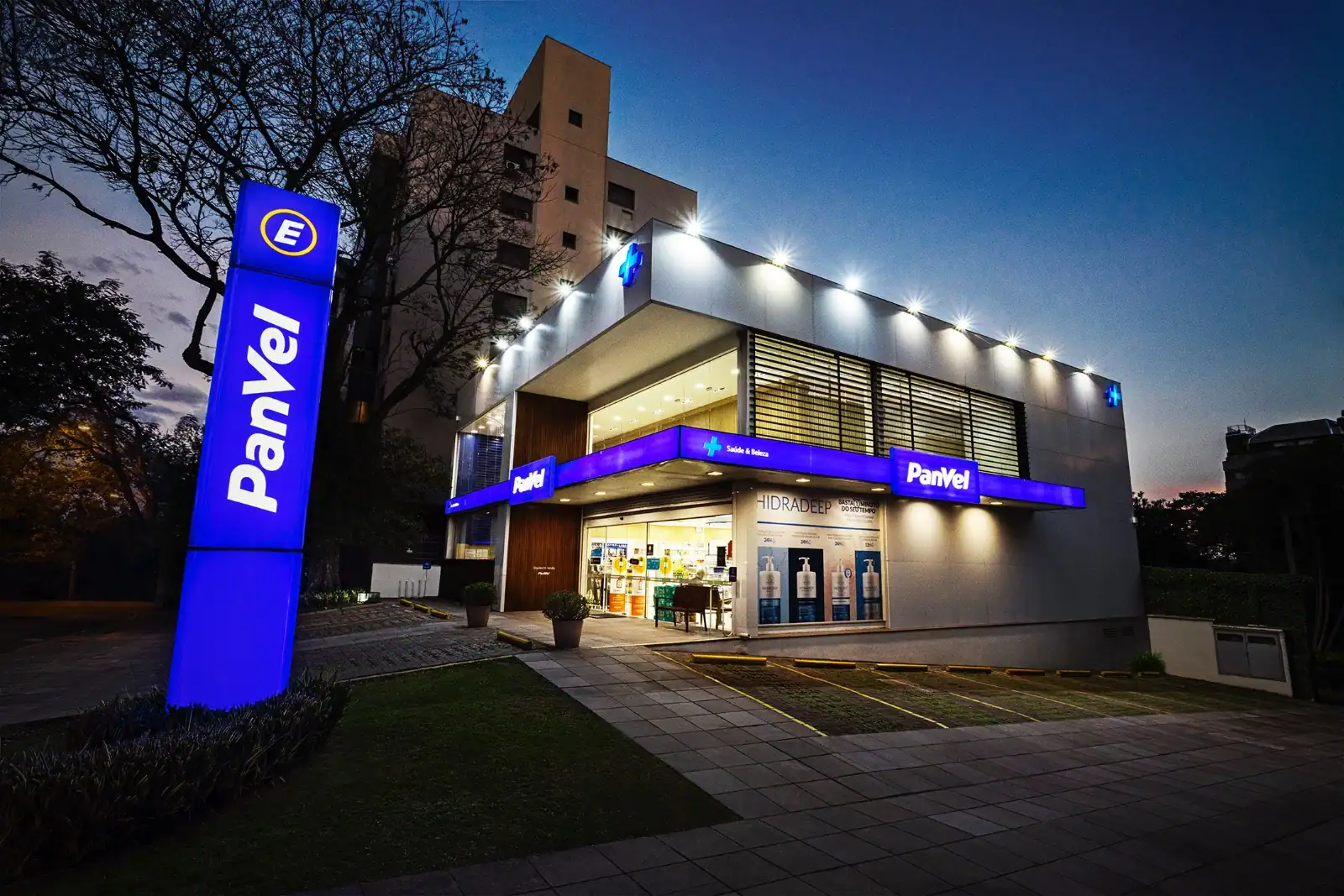
Panvel’s quarterly net profit surged 35% to R$45.2 million in the fourth quarter of 2025, as the Brazilian pharmacy chain converted accelerating digital sales, higher-margin private-label products and surging demand for GLP-1 weight-management drugs into its most profitable quarter on record.
The Numbers Behind Panvel’s Quarterly Net Profit Jump
Grupo Panvel, traded on Brazil’s B3 exchange under ticker PNVL3, delivered adjusted net profit of R$45.2 million (US$7.8 million) for the October-to-December period, up from R$33.5 million a year earlier. The result comfortably outpaced analyst expectations and marked the highest quarterly profit in the company’s history.
Adjusted EBITDA rose roughly 28% to around R$105 million, lifting the EBITDA margin to approximately 6.2% from 5.4% in earlier quarters of 2025. For the full year, Panvel reported adjusted net income of R$135.3 million on gross revenue of R$5.91 billion, a 17% top-line expansion that underscored the chain’s ability to grow profit faster than sales.

Digital Channels Reshape the Retail Pharmacy Model
Panvel’s digital sales reached R$1.5 billion for the full year, with digital penetration hitting 28.6% of retail revenue in the fourth quarter alone. When omnichannel interactions are included, digital transactions accounted for 54% of all sales in the period, a figure that places the 659-store chain among Latin America’s most digitally integrated brick-and-mortar retailers.
The company’s proprietary app drove much of that growth, with online sales rising 46.8% year-on-year. An AI-powered virtual assistant named Sofia now handles roughly 70% of customer interactions without human intervention, while a geolocation-based delivery system operating across 231 stores has cut average delivery times to 37 minutes.
GLP-1 Medications and Private Label Drive Margin Expansion
A sharp rise in sales of GLP-1 receptor agonists, the class of injectable drugs used for weight management and diabetes, provided a powerful tailwind for both revenue and margins. Branded medication sales jumped 21% in the quarter, with management and analysts pointing to GLP-1 products as a primary catalyst.
Panvel’s private-label range, marketed as Produtos Panvel, grew sales by 35% year-on-year and now commands nearly 40% of the private-label pharmacy market in southern Brazil. These higher-margin products, combined with the company’s exit from low-margin wholesale operations, pushed gross margins above 30% and set the stage for further operating leverage.
Store Productivity and Regional Dominance
Same-store sales rose 15% in the fourth quarter, while mature-store sales, a metric that strips out recently opened locations, increased 12%. Both figures ran well ahead of Brazilian inflation, signalling genuine volume and ticket growth rather than price-driven expansion alone.
Panvel’s market share in Brazil’s southern states reached a record 13.9%, extending a streak of quarterly share gains that now spans nearly six years. The chain added eight net new stores in the quarter, bringing the total to 659, with 77% of units classified as mature and generating steady cash flow.
What the Panvel Quarterly Net Profit Means for Investors and Expats
For international investors tracking Brazilian consumer equities, Panvel’s results offer a rare combination of double-digit top-line growth, expanding margins and a clean balance sheet. The company reduced leverage to 0.9 times EBITDA in 2025 while generating R$106 million in free cash flow, giving it ample room to fund an ambitious five-year expansion plan.
Expats and professionals living in Brazil’s southern cities will recognise Panvel as a ubiquitous high-street presence, but the chain is now pushing aggressively into São Paulo state. That geographic diversification, paired with a loyalty programme and a fast-growing retail media platform called Panvel Ads, suggests the business is building multiple recurring revenue streams beyond the pharmacy counter.
The Five-Year Plan and What to Watch Next
Chief Executive Julio Ricardo Mottin Neto has laid out a target to double revenue to roughly R$12 billion within five years, expand the store network to as many as 1,000 locations and lift the EBITDA margin toward 7%. The plan leans heavily on continued digital penetration, deeper private-label penetration and a wave of GLP-1 patent expirations that could broaden access to weight-management therapies across Brazil.
Risks worth monitoring include potential regulatory changes around GLP-1 pricing, the execution challenges of entering São Paulo’s competitive pharmacy market and any macroeconomic headwinds that could dampen Brazilian consumer spending. For now, however, Panvel’s trajectory points to a regional champion that is quietly building a nationally relevant omnichannel platform.
Frequently Asked Questions
What drove Panvel’s quarterly net profit increase in 4Q25?
The 35% jump to R$45.2 million was driven by a combination of strong retail sales growth, fast-expanding digital channels, higher-margin private-label products and surging demand for GLP-1 weight-management medications. Operational discipline, including the exit from low-margin wholesale operations, also lifted profitability.
How large is Panvel’s store network and where does it operate?
Panvel closed 2025 with 659 stores, concentrated in Brazil’s three southern states of Rio Grande do Sul, Santa Catarina and Paraná, where it holds a record 13.9% market share. The chain is now expanding into São Paulo state as part of a five-year plan to reach up to 1,000 locations.
What role do GLP-1 drugs play in Panvel’s growth strategy?
GLP-1 receptor agonists, often called slimming pens, have become a significant growth driver, helping push branded medication sales up 21% in the fourth quarter. Panvel expects upcoming patent expirations to broaden access to these treatments, making them a central pillar of its plan to double revenue within five years.
Connected Coverage
This article was drafted with automated assistance and reviewed before publication. How we use AI · Report an error · Editorial responsibility: Matthias Camenzind, Editor-in-Chief