Panama Ends the Shell-Company Era With a New Substance Law
Panama · Tax & Business
Key Facts
- Substance test Panama’s Law 526 of 2026 requires certain entities in multinational groups to prove real local activity for foreign-source passive income, starting fiscal year 2027.
- Income scope Dividends, interest, royalties, capital gains, and some real-estate or capital income earned abroad are covered.
- Tax rate A 15% definitive tax applies to that passive income if the substance test is not met.
- Territorial rule Entities that pass the test keep Panama’s traditional territorial treatment — foreign income stays untaxed.
- Special regimes EMMA and the multinational headquarters regime remain separate, but their users must also check substance requirements.
- Compliance burden Reporting and substantiation obligations come with the new rules, so documentation matters now.
- Rationale The reform supports Panama’s push to strengthen its international tax standing and avoid scrutiny-list placement.
The real shift is from paperwork to proof. Panama is asking multinational groups to show their work, not just their incorporation certificates.
For investors and expats running holding structures, the cost of compliance just became a line item you can’t ignore.
If you run a Panamanian entity that earns dividends, interest, royalties, or capital gains from outside the country, pay attention. You must be part of a multinational group to be affected.
Law 526 of 2026 introduces a test that starts in fiscal year 2027. It changes the old assumption that incorporation in Panama keeps your foreign income tax-free.
You’ll need to show real activity here. That means staff, premises, management, and operating expenses.
Otherwise, you face a 15% definitive tax on that passive income. The good news: pass the test, and Panama’s territorial treatment stays intact.
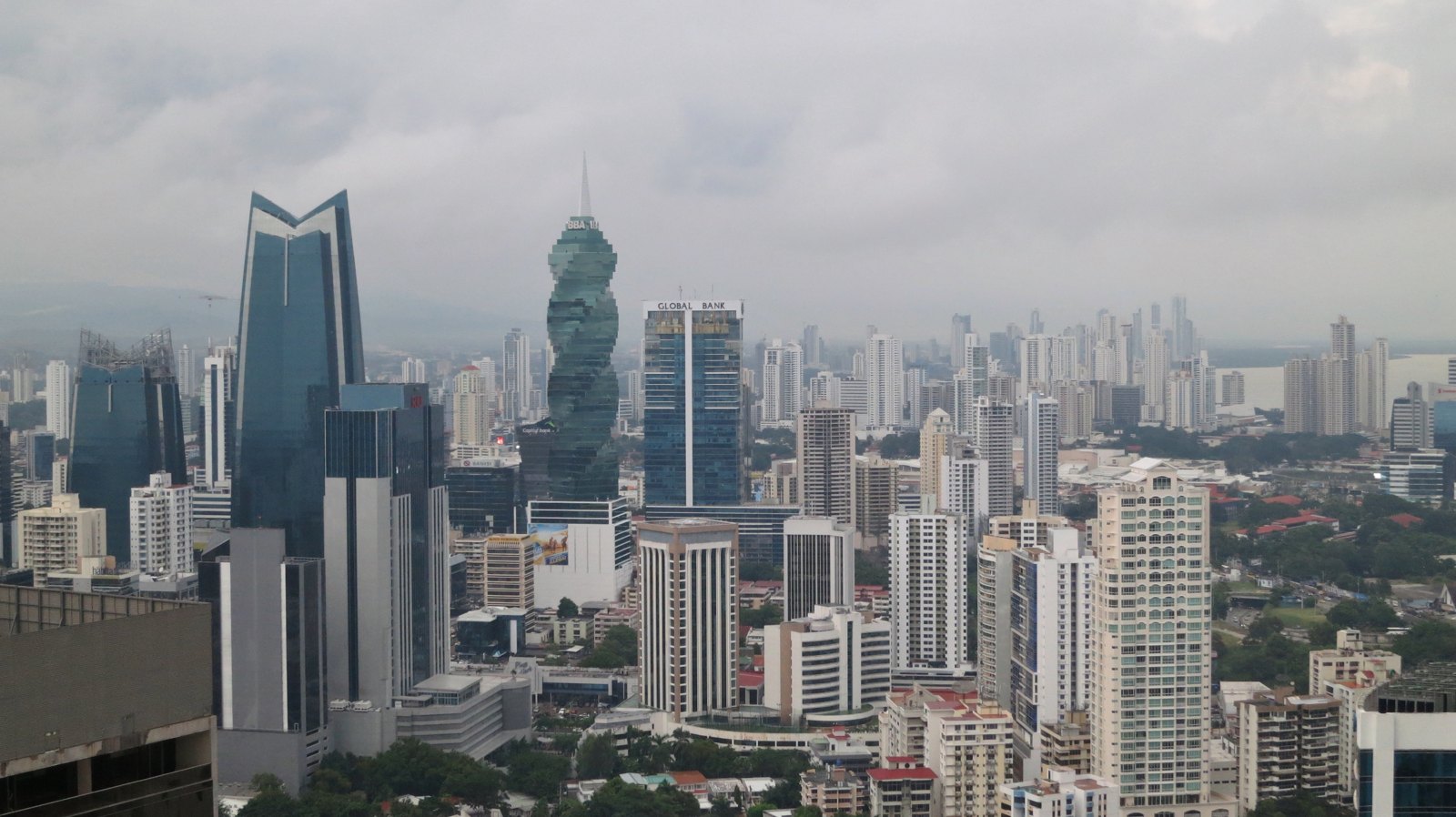
What the Panama economic substance law actually requires
Law 526 targets entities incorporated or domiciled in Panama. They must belong to a multinational group and earn foreign-source passive income.
That includes dividends, interest, royalties, capital gains, and certain income from real estate or capital. The law doesn’t tax all foreign-source income across the board.
It specifically targets passive income flows that could be parked in Panama without real economic presence.
To keep territorial treatment, your entity must demonstrate genuine substance in Panama. That means having personnel who actually work here.
You need premises you use, and management exercised locally. Operating expenses must reflect real activity.
It’s not about having a registered agent and a mailbox. The test separates shell structures from businesses that genuinely operate in the country.
Why this matters for multinational headquarters and special regimes
Panama still maintains its separate incentive regimes. These include EMMA for multinational manufacturing-services and the headquarters regime for regional service hubs.
Law 526 does not cancel those regimes. But the new substance rules add a layer of scrutiny for any structure using Panama for passive holding.
If your entity relies only on incorporation, you could be exposed. The 15% tax on foreign passive income would apply.
For multinational groups, review existing structures now. Don’t wait until 2027.
A holding company set up years ago with minimal substance may need local staff. You might lease office space or shift management functions to Panama.
Alternatively, you might decide the tax cost is acceptable. Plan for the 15% levy in that case.
Either way, the decision should be deliberate and documented.
What you should do before fiscal year 2027
Start by mapping which of your Panamanian entities earn foreign-source passive income. Check whether they’re part of a multinational group.
Then assess each one against the substance criteria. Those criteria are personnel, premises, management, control, and operating expenses.
If gaps exist, you have time to close them. But the clock is running.
The rules apply from fiscal period 2027. Reporting and substantiation obligations come with them.
Local and regional tax advisors are already discussing how to interpret the law. Panama’s broader goal is to strengthen its international tax standing.
It also wants to get off scrutiny lists. That means enforcement is likely to be real, not symbolic.
For expats and investors, the practical takeaway is simple. Don’t assume your Panamanian entity is automatically compliant.
Verify your substance and document your activity. If you’re unsure, get professional advice before the first reporting period arrives.
The bigger picture for anyone living in or invested in Latin America
If you’re based in Latin America or have money invested here, this matters beyond Panama’s borders. Panama has long been a hub for regional holding companies.
Its territorial tax system was a major draw. Law 526 signals that the era of pure paper structures is ending across the region.
Other countries are watching. Similar substance requirements could spread.
For investors, the cost of maintaining a Panama entity may rise. But the jurisdiction’s credibility could improve.
That trade-off is worth understanding before you decide where to hold assets or route income.
The reform also reinforces a regional trend. Economic substance is becoming the price of tax benefits.
If you’re running a headquarters or a holding company in Panama, show that real business happens here. That’s not necessarily bad.
It can make your structure more defensible and more resilient to scrutiny. But it requires planning.
The time to start is now.
More: Panama news in English, every day from The Rio Times.
Frequently Asked Questions
Does Law 526 apply to all Panamanian companies?
No. It applies to entities incorporated or domiciled in Panama that are part of a multinational group. They must earn foreign-source passive income like dividends, interest, royalties, capital gains, or certain real-estate income.
A purely domestic company with no foreign passive income is outside the scope.
What happens if I don’t meet the substance test?
If your entity fails the test, the foreign-source passive income is subject to a 15% definitive tax. That’s a flat, final tax.
It’s not an additional rate on top of other taxes. If you pass the test, you keep Panama’s territorial treatment.
That means the income stays untaxed in Panama.
Do EMMA and headquarters regime companies still get their incentives?
Yes, those regimes remain in place. But Law 526 adds a separate substance requirement for passive foreign income.
Being in EMMA or the headquarters regime doesn’t automatically exempt you from the new test. You need to confirm your entity can demonstrate genuine local substance.
That means personnel, premises, management, and expenses. Otherwise, you could face the 15% tax on that passive income.
Connected Coverage
Sources: La Prensa, La Estrella de Panamá, Panama tax advisories (Law 526/2026)
This article was produced by The Rio Times’ automated newsroom system. How we use AI · Report an error
Read More from The Rio Times