Opinion: amid global distractions, China continues to develop ‘Xivilization’
(Opinion) As the world grapples with an escalating crisis in Ukraine and the U.S. is consumed by domestic politics, China is taking strides to expand its global influence by proposing alternatives to the Western concept of a “rules-based international order”.
President Xi Jinping, the most influential Chinese leader since Mao Zedong, is seizing this moment to enhance China’s position on the world stage amidst strained relations with the U.S.
Xi’s recent interactions with global leaders, such as Brazil’s Luiz Inacio Lula da Silva and France’s Emmanuel Macron, demonstrate China’s commitment to its diplomatic agenda.
Meanwhile, growing tension over Taiwan, which China claims as its own, continues. Notably, Xi welcomed Honduran President Xiomara Castro to open an embassy following Honduras’ severance of ties with Taiwan.
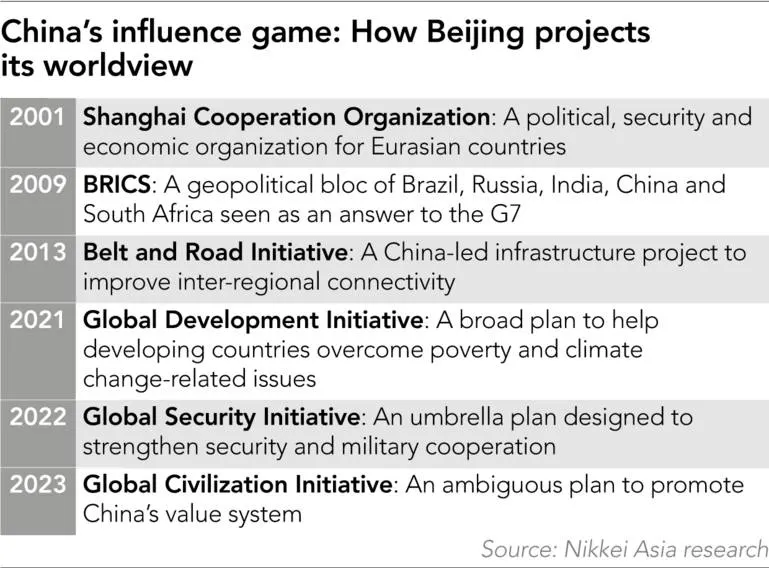
China has also introduced the Global Civilization Initiative (GCI), the final piece of Xi’s trio of ideological frameworks.
While ambiguous in terminology, this initiative promotes mutual respect and global unity, with state media describing it as “Xivilization”.
Critics argue that this apparent collegiality may come at the cost of human rights protections.
According to Moritz Rudolf of Yale Law School’s Paul Tsai China Center, China’s current approach is strategically astute and future-focused, contrasting with Western countries struggling with identity crises and complex challenges.
China, Rudolf suggests, presents an authoritarian answer to these problems.
Xi’s long-standing aim to reshape global norms has been evident, but the recent announcement of the GCI provides more structure to this ambition.
This plan to create alternative institutions for global cooperation has raised concerns among some observers.
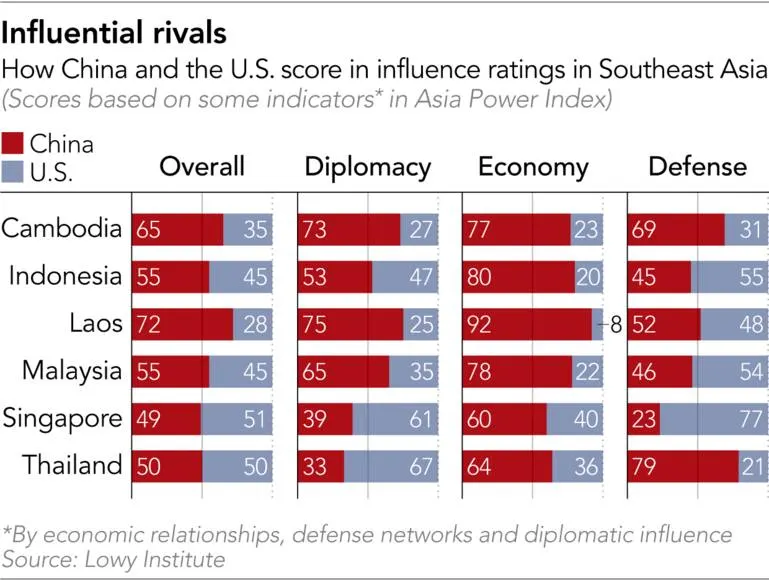
While Malaysian Prime Minister Anwar Ibrahim has voiced his support for the GCI, not all Asian nations are willing to join, given their need to maintain relations with the U.S.
Yet, some analysts warn that a continued Western narrative of “autocracy versus democracy” could bolster China’s position.
As President Xi initiates measures to rejuvenate China, observers attribute the world’s second-largest economy’s ambitions to its historical experience of colonial subjugation, known as the “century of humiliation”.
Beijing’s vision of a multipolar world began with the Belt and Road Initiative (BRI), which has seen significant infrastructure development investments across numerous countries despite criticism over increasing debt in poorer nations and the quality of certain projects.
In line with its economic rise, Beijing’s increasing assertiveness in foreign policy is evident in its claims in the South China Sea, rapidly constructing islands in strategic areas and militarizing the region.
China-led platforms like the Shanghai Cooperation Organization and BRICS continue propagating China’s new world-order vision.
Western nations are assessing their responses as China asserts itself more prominently in global diplomacy.
Despite the strengthening of Western alliances during the ongoing Ukraine conflict, some experts warn of their diminishing influence on world politics.
According to George Yeo, Singapore’s former foreign affairs minister, the transition towards a multipolar world can bring economic, cultural, and political benefits to the international community, and the U.S. should reassess its adversarial stance towards China.
With observers predicting no slowdown in Beijing’s pursuit of greater global influence, speculation is rife about China’s future involvement in areas like Afghanistan and the Middle East.
However, public opinion polls indicate that views of China and Xi’s vision for it as a global leader have been historically negative, suggesting a rocky path ahead in its quest for a larger role in a multipolar world.
This article was produced by The Rio Times’ automated newsroom system. How we use AI · Report an error · Editorial responsibility: Matthias Camenzind, Editor-in-Chief
Read More from The Rio Times