Olímpica Signs a Seven-Year Solar Deal With Promigas
COLOMBIA · ENERGY
Key Facts
- —The contract Supermarket chain Olímpica has signed a solar supply agreement with Promigas.
- —The scale One hundred and eighty stores.
- —The term Seven years.
- —The structure Promigas installs and operates; Olímpica buys the output.
- —Why now Colombian commercial electricity tariffs have risen faster than inflation for three years.
- —What this is not There is no merger or combination in the Colombian supermarket sector. Reports suggesting one are describing this contract.
A retailer buying its own electricity for seven years is a bet that grid tariffs keep rising. In Colombia that has been a safe bet.
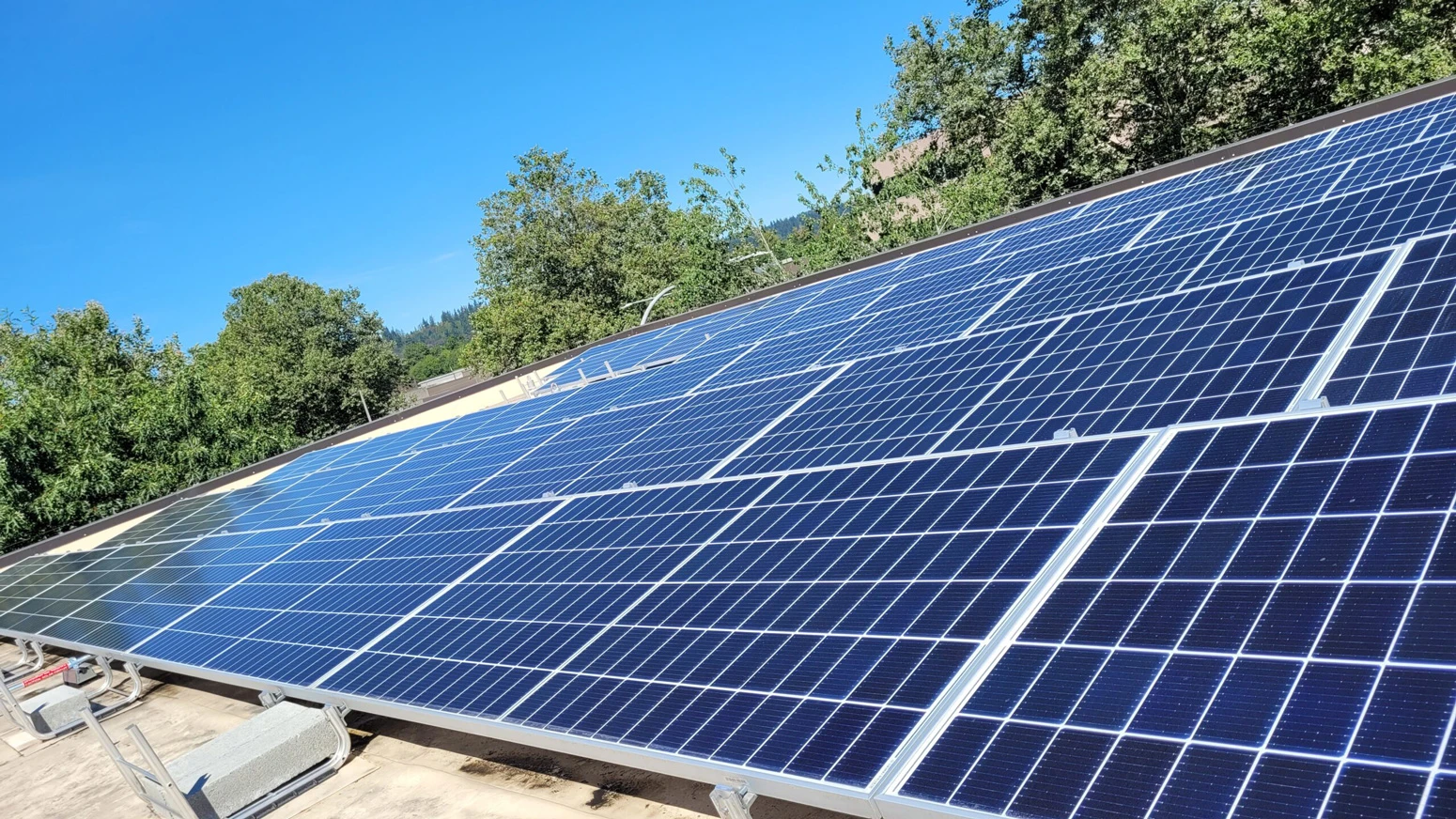
Olímpica, the Barranquilla-based supermarket and pharmacy chain, has contracted Promigas to supply solar power to 180 of its stores over seven years, under an arrangement in which the energy company installs and operates the generation.
What Was Signed
The agreement covers 180 Olímpica stores and runs for seven years. Promigas, the Barranquilla gas transporter and distributor, takes responsibility for installing and operating the generating capacity.
The structure is a power-purchase arrangement rather than a capital investment by the retailer. Olímpica commits to buy output at a contracted price; it does not put the panels on its own balance sheet.
That distinction is the reason deals of this shape have spread through Colombian commercial property. A retailer with thin margins can fix an input cost without spending capital it would rather deploy in stores.

Why a Supermarket Buys Power
Refrigeration is the largest single line in a supermarket’s operating cost after labour, and it runs continuously. A chain of 180 stores on the Caribbean coast is cooling against ambient temperatures above thirty degrees for most of the year.
Colombian commercial electricity tariffs have risen faster than general inflation since 2023, driven by transmission charges and by the pass-through of hydrological risk in a system that depends heavily on reservoirs.
Fixing seven years of that cost is worth more to a retailer than the headline saving suggests, because it removes a variable that has been the principal source of margin surprise.
Why Promigas Is the Counterparty
Promigas built its business on natural-gas transport and distribution on the Caribbean coast, and has been diversifying into non-regulated energy services as gas volumes from the Guajira fields decline.
Distributed solar is the natural adjacency. The customer relationships already exist, and the commercial and industrial segment is where Colombian solar economics work best because self-consumption avoids the transmission charges that make grid power expensive.
The Story This Is Not
Some coverage this week has been read as describing a combination in the Colombian supermarket sector involving Olímpica and Grupo Aval. No such transaction exists.
What exists is this solar contract, and separately a banking-correspondent arrangement between the hard-discount chain D1 and Aval entities. They involve different companies and different sectors, and merging them produces a story that is not there.
The Rio Times states the contract as signed and does not report a supermarket-sector combination, because none has been announced.

What It Signals
Colombian commercial and industrial solar has grown on the back of tariff pressure rather than on subsidy, which makes it more durable than a policy-driven build-out would be.
If a 180-store, seven-year contract prices well for both sides, the template will be applied across the rest of Colombian organised retail within a year, because every chain faces the same refrigeration load and the same tariff curve.
The financial terms have not been disclosed, and The Rio Times does not state a contract value.
The regulatory backdrop favours it. Colombia’s Law 1715 of 2014 gives tax relief on non-conventional renewable energy investment, and the self-generation rules allow surplus output to be fed back to the grid within defined limits.
The constraint is grid connection rather than economics. Interconnection queues on the Caribbean coast have lengthened as distributed generation has grown, and a seven-year contract assumes the stores can be connected on the schedule the parties have agreed.
More: Colombia news in English, every day from The Rio Times.
Frequently Asked Questions
What did Olímpica sign?
A seven-year solar supply agreement with Promigas covering 180 stores.
Who owns the equipment?
Promigas installs and operates the generation. Olímpica buys the output.
Why is a supermarket doing this?
Refrigeration is a continuous load and Colombian commercial tariffs have risen faster than inflation since 2023.
Is there a supermarket merger involved?
No. No combination in the Colombian supermarket sector has been announced.
Has a contract value been published?
No. The Rio Times has not seen one and does not state a figure.
Sources: Promigas, La República, Portafolio, El Heraldo, Valora Analítik.
This article was drafted with automated assistance and reviewed before publication. How we use AI · Report an error
In depth
Read More from The Rio Times