Oil Jumps More Than 4% After Hours As U.S. Sanctions Rosneft And Lukoil
Oil jumped because Washington hit the heart of Russia’s energy sector—Rosneft and Lukoil. Brent closed a little over two percent higher at $62.59 and kept climbing in after-hours trade; U.S. WTI followed.
Prices moved not because global demand suddenly surged, but because the world’s oil plumbing—tankers, insurers, lenders, and buyers—was jolted.
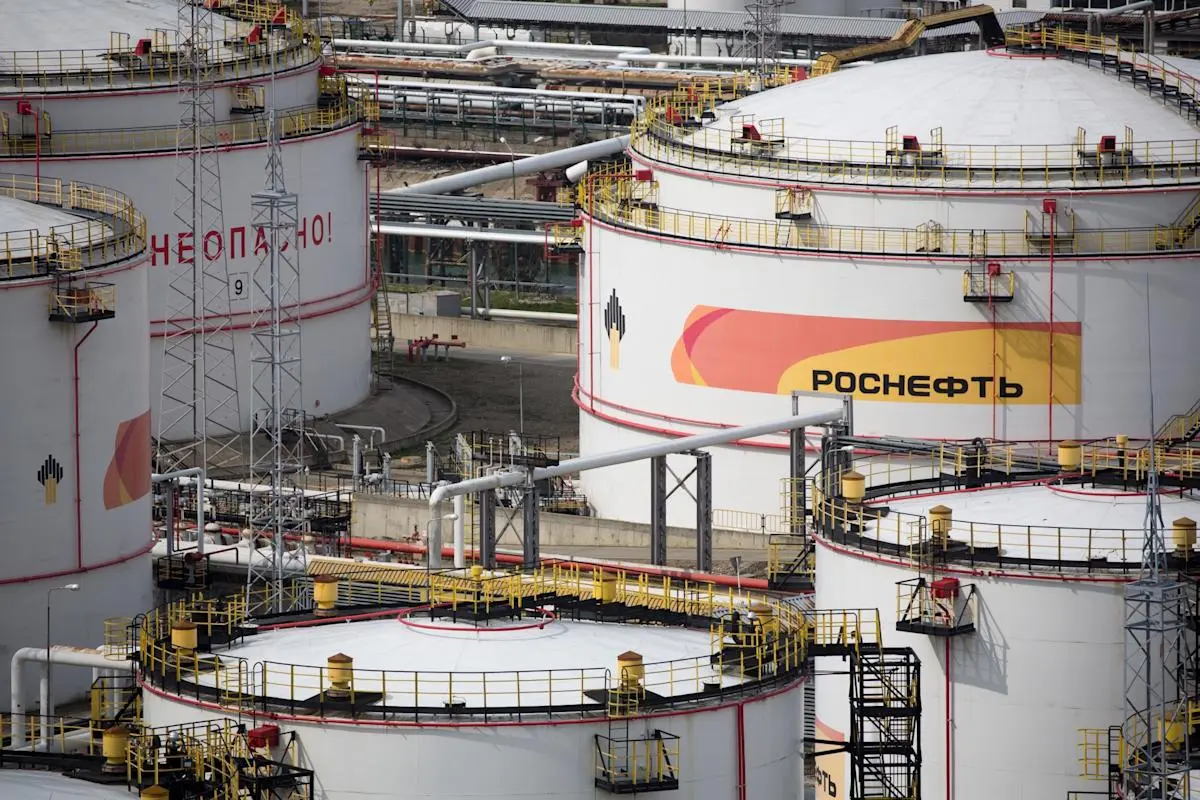
Here’s the simple version. Sanctioning Russia’s two biggest producers makes it harder and costlier to sell their barrels. Some regular buyers, especially in India, are now reviewing contracts that touch those firms.
If even a portion of those flows is rerouted, more oil has to travel longer distances on older ships with opaque ownership—the “shadow fleet.” That raises shipping and insurance costs and increases the risk of accidents and delays. Markets price those frictions right away.
Europe added another layer by advancing a phase-out of Russian LNG. It’s not an overnight cutoff, but it’s a schedule. Put together, these steps shrink and complicate Russia’s energy export routes.
The immediate effect is a risk premium in prices; the deeper effect is a more brittle supply chain. The politics behind the spike also matter.
Reports suggesting the United States loosened limits on Ukraine’s use of long-range missiles inside Russia were publicly denied by the White House, but the mere possibility of escalation lifted nerves.
Oil Policy Ripples Far Beyond Washington
At the same time, Washington is weighing broader export controls on high-tech goods to China. Traders don’t need certainty to move prices—credible policy risk is enough.
Why this matters to readers outside Brazil—or any single country—is practical. Higher crude feeds quickly into diesel, gasoline, and jet fuel. Trucking, food distribution, and airfares get more expensive.
For emerging markets, a stronger oil price can weaken currencies and complicate inflation control. For manufacturers and farmers, pricier freight and insurance squeeze margins even if the barrel price later settles back.
The story behind the story is about enforcement—who can pay, insure, and carry Russian oil without getting cut off from dollar finance. If big buyers step back and compliance tightens, effective supply shrinks even if wells keep pumping.
If exemptions proliferate, barrels move—but through a riskier maze. Either way, the global system proves fragile: a few policy decisions in Washington, Brussels, or New Delhi now reroute energy flows across oceans.
All figures and developments described above are based on publicly reported market data and official statements; nothing here is invented or embellished.
This article was produced by The Rio Times’ automated newsroom system. How we use AI · Report an error · Editorial responsibility: Matthias Camenzind, Editor-in-Chief
LatAm Markets: Live Signals → — real-time movers, turnover leaders and FX across Latin America.