Uganda’s NSSF Says It Could Fund Kampala-Jinja Expressway in Two Years
Uganda · INFRASTRUCTURE
Key Facts
- —What happened NSSF managing director Patrick Ayota said the fund could finance the Kampala-Jinja Expressway within two years.
- —How big The road is estimated at about US$1.2 billion, against NSSF assets of Shs32.8 trillion (about US$8.5 billion).
- —The catch The project depends on government guarantees, completed feasibility work and secured right of way.
- —Who is affected NSSF members, whose retirement savings would back a toll road.
- —Why it matters Pension savings would keep financing for one of Uganda’s biggest roads inside the country.
- —What comes next NSSF says it has reached an agreement with government on financing, but terms have not been published.
Uganda’s National Social Security Fund could finance the Kampala-Jinja Expressway within two years, its managing director Patrick Ayota has said. The fund is prepared to move once the government delivers guarantees, completes feasibility work and secures the land corridor.
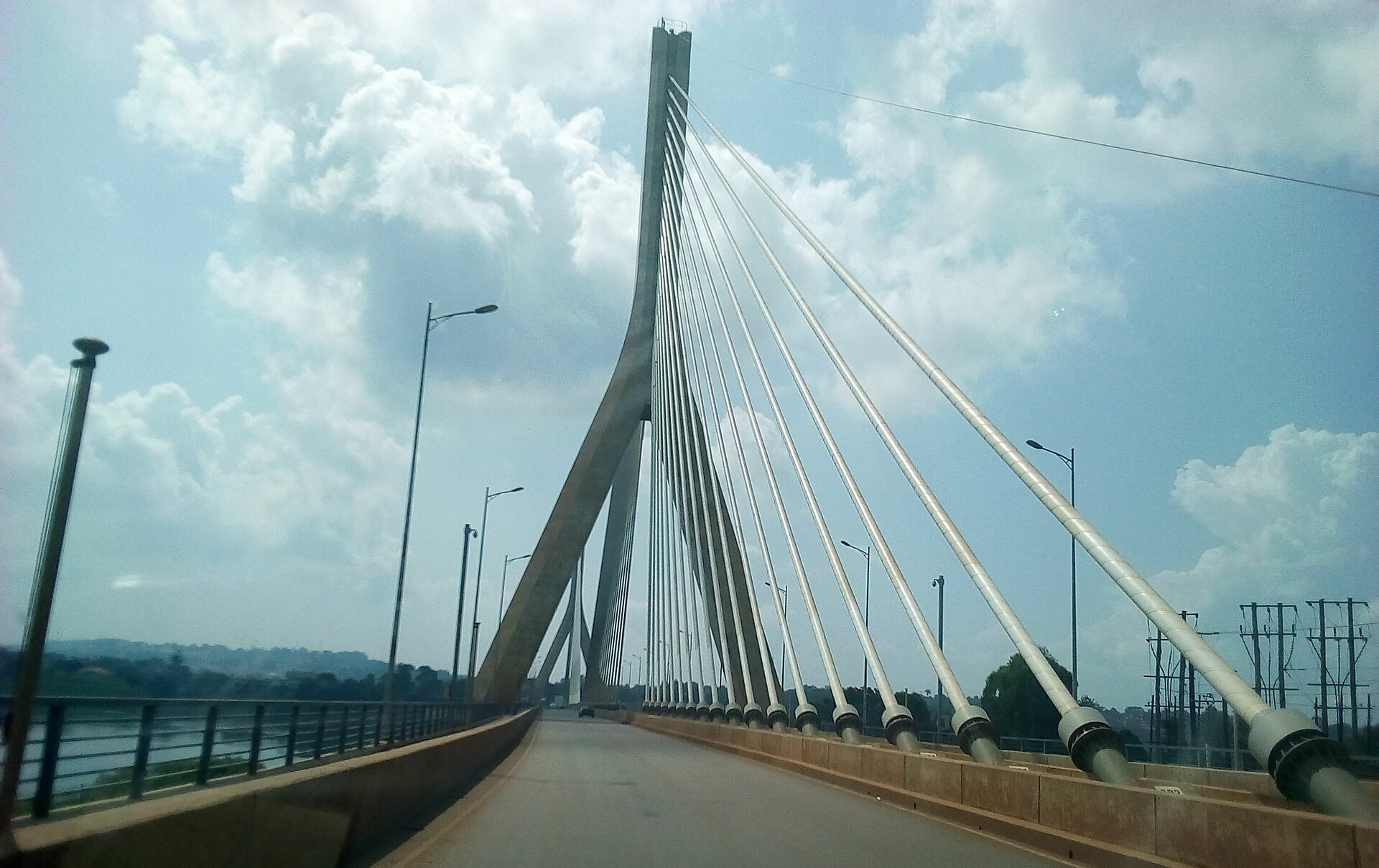
Ayota’s statement, reported by the Daily Monitor on 21 September, turns years of discussion about the road into a concrete domestic financing option. The expressway is estimated at about US$1.2 billion, a scale that would test the fund and the state’s ability to prepare a bankable project.
A Pension Fund Steps Toward a Highway
Patrick Ayota, managing director of Uganda’s National Social Security Fund, said the fund could finance the proposed Kampala-Jinja Expressway within two years. The road is estimated at about US$1.2 billion, while NSSF’s asset base stood at about Shs32.8 trillion (about US$8.5 billion).
Ayota said the fund is prepared to move once the project is investment-ready. He named government guarantees, completed feasibility work and secured right of way as the three conditions that would unlock NSSF money.
NSSF’s 2025/26 contributions reached Shs2.42 trillion (about US$620 million), and its revenue rose to Shs6.51 trillion (about US$1.7 billion). That annual inflow gives the fund enough domestic firepower to consider a project of this scale without waiting for external lenders.
What the Road Would Cost and Who Carries the Risk
The Kampala-Jinja Expressway has been discussed for years under a public-private partnership model. That history explains why financing, guarantees and traffic-revenue assumptions remain central to any deal.
Critics note the project still depends on public-sector preparatory work and risk allocation. NSSF’s willingness to step in does not remove the need for government to deliver the basics first.
For NSSF contributors, the trade-off is clear. Their retirement savings would back a toll road whose returns depend on traffic volumes, toll collection and government guarantees holding up over decades.
Pension Savings as a Domestic Infrastructure Tool
The wider political economy is about using pension savings for domestic infrastructure. Ayota said NSSF is ready to finance projects once they are investment-ready, and reports say the fund has reached an understanding with government.
Government would handle feasibility studies and right of way acquisition before NSSF commits funds, AllAfrica reported. That division of labour keeps the preparatory burden on the state while the pension fund supplies long-term capital.
The fund’s asset base of about Shs32.8 trillion (about US$8.5 billion) gives it room to act. The question is whether the state can match that capacity with the preparatory work a bankable toll road requires.
Why Domestic Money Matters
Large roads in East Africa have usually been financed by foreign development banks, export-credit agencies or Chinese lenders. A local pension fund taking the lead would keep interest payments and control inside Uganda.
CEO.co.ug reported that the fund moved after pressure from President Yoweri Museveni to invest in the road. That raises the question of how independent the fund’s investment decisions are from the government.
What to Watch Next
The next test is whether government delivers the guarantees, feasibility work and right of way that Ayota named. Without those, NSSF’s two-year timeline remains aspirational.
Investors should watch for a formal agreement between NSSF and the government. Reports already point to a deal on the expressway, but the terms of tolling, risk-sharing and construction timelines have not been made public.
Frequently Asked Questions
Can NSSF really finance the Kampala-Jinja Expressway in two years?
Patrick Ayota said the fund could do so if government provides guarantees, completes feasibility work and secures right of way. The road is estimated at about US$1.2 billion.
How much money does NSSF have available?
NSSF’s asset base stood at about Shs32.8 trillion (about US$8.5 billion), with 2025/26 contributions of Shs2.42 trillion (about US$620 million). Its revenue for the year reached Shs6.51 trillion (about US$1.7 billion).
Why does the project still depend on government action?
The expressway has been planned under a public-private partnership model. Guarantees, feasibility work and right of way remain public-sector responsibilities before private or pension money can flow.
What has NSSF and government agreed so far?
Reports say the fund has reached an agreement with government on financing the expressway. Government would handle feasibility studies and right of way acquisition before NSSF commits funds.
Why does this matter for foreign investors?
It signals that East African pension funds can now anchor large transport projects. That changes who sets terms on a corridor used for Ugandan exports and regional trade.
Connected Coverage
Sources
This article was produced by The Rio Times’ automated newsroom system. How we use AI · Report an error
LatAm Markets: Live Signals → — real-time movers, turnover leaders and FX across Latin America.
Read More from The Rio Times