Singapore’s Banyan Group to Buy 70% of South African Safari Group Newmark
South Africa · DEALS
Key Facts
- —What happened Singapore-listed Banyan Group agreed on 17 September to buy 70% of Cape Town’s Newmark Hotels & Reserves.
- —How big Skift and Worthbury report the deal values Newmark at about ZAR756 million (about US$47 million).
- —The catch Full ownership depends on Newmark reaching ZAR63 million (about US$3.9 million) in stabilised EBITDA by fiscal 2029.
- —Who is affected Newmark keeps its brand, founder Neil Markovitz and its existing management team and local operating approach.
- —Where Newmark runs 26 hotels, lodges and reserves in South Africa, Namibia, Nigeria, Tanzania, Uganda, Zimbabwe and Mauritius.
- —What comes next No closing date or regulatory clearance has been reported since the 17 September announcement.
Singapore-listed Banyan Group has agreed to buy a majority stake in Cape Town-based Newmark Hotels & Reserves. Skift and Worthbury report the transaction values the safari operator at about ZAR756 million (about US$47 million).
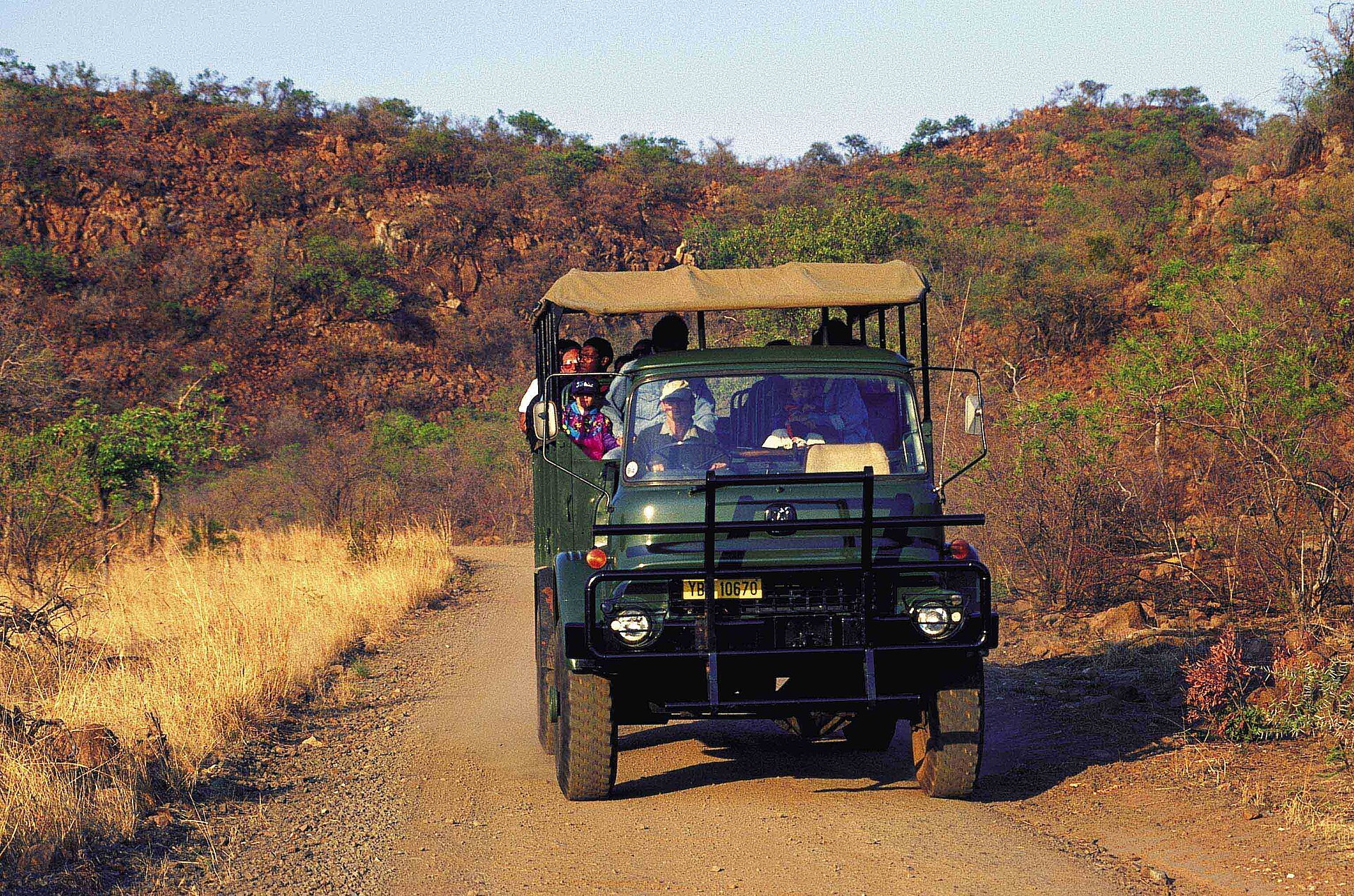
The announcement on 17 September 2026 was filed with the Singapore Exchange and distributed by PR Newswire. Newmark keeps its brand, founder Neil Markovitz and its existing management team, so day-to-day operations are unchanged.
What the Banyan Group Newmark Deal Covers
Newmark operates 26 hotels, lodges and private game reserves across South Africa, Namibia, Nigeria, Tanzania, Uganda, Zimbabwe and Mauritius. The company joins Banyan as a collection brand, retaining its existing brand, teams and local operating approach.
Skift reports Banyan agreed to acquire a 70% stake, paying roughly ZAR533 million (about US$33 million) in cash for that initial holding. Worthbury reports the same figures, both based on the Singapore Exchange filing rather than Banyan’s own press release.
Banyan said the acquisition lifts its global portfolio to nearly 130 hotels, resorts and reserves across 28 countries. That extends its African presence beyond earlier holdings in Morocco, Mauritius, South Africa and Tanzania.
Why a Singaporean Buyer Wants African Safari Assets
Banyan is a Singapore-listed hotel operator that runs brands including Banyan Tree and Angsana. It is using what it calls an asset-right model, favouring management contracts and selective ownership over heavy property investment.
Newmark’s private game reserves and lodges sit in a niche where new supply is limited by land and conservation rules. For Banyan, the appeal is experience-led tourism that rivals cannot easily copy.
The deal also gives Banyan immediate scale and local knowledge without disrupting the product. Newmark’s management stays in place, which matters for staff, guests and conservation partners.
Who Gains and Who Keeps Control
Neil Markovitz, who founded Newmark and built it into a continent-wide platform, sells control but remains involved. Billionaires.Africa reported on 17 September 2026 that he sold a majority stake to Banyan.
The structure is phased, with full ownership contingent on Newmark reaching ZAR63 million (about US$3.9 million) in stabilised EBITDA by fiscal 2029. Skift notes that target is more than double Newmark’s current level of about ZAR28.8 million (about US$1.8 million).
That earn-out ties the final price to results rather than the upfront cash alone. It also gives the seller an incentive to keep performance steady through the transition.
The Wider Context for African Hospitality
South Africa remains the corporate gateway for pan-African hospitality platforms. Newmark’s Cape Town base gives Banyan a management hub with access to talent, finance and logistics.
The seven-country footprint spreads risk beyond any single market. It also gives Banyan a ready-made regional network rather than a collection of individual properties.
For South Africa’s tourism industry, the deal is a vote of confidence from a foreign operator. It brings Asian hotel capital into the country’s safari and lodge sector.
What to Watch Next
The immediate focus is closing the initial majority stake. No completion date or regulatory clearance has been reported since the 17 September announcement.
Investors will watch whether Newmark’s performance justifies full ownership. The phased structure means the final price depends on results, not just the upfront cash.
Longer term, the question is whether Banyan uses Newmark as a platform for further African acquisitions. Its stated ambition to expand beyond four earlier African markets suggests appetite for more.
Frequently Asked Questions
How much is Banyan Group paying for Newmark Hotels?
Skift and Worthbury report Banyan is paying roughly ZAR533 million (about US$33 million) in cash for an initial 70% stake. The same outlets report the transaction values Newmark at about ZAR756 million (about US$47 million).
Will Newmark Hotels change its name or management?
No. Newmark keeps its brand, founder Neil Markovitz and its existing management team, with day-to-day operations unchanged.
In which African countries does Newmark operate?
Newmark operates 26 hotels, lodges and private game reserves across South Africa, Namibia, Nigeria, Tanzania, Uganda, Zimbabwe and Mauritius.
What does Banyan need to reach for full ownership?
Full ownership depends on Newmark reaching ZAR63 million (about US$3.9 million) in stabilised EBITDA by fiscal 2029. That target is more than double Newmark’s current level of about ZAR28.8 million (about US$1.8 million).
Has the deal closed yet?
No closing date or regulatory clearance has been reported since the 17 September 2026 announcement. The transaction remains subject to the phased ownership structure described in the Singapore Exchange filing.
Connected Coverage
Sources
- Skift
- Worthbury
- Billionaires.Africa
- HospitalityNet
- Yahoo Finance
- The Manila Times
- LATTE Luxury News
- Banyan Group Newsroom
This article was produced by The Rio Times’ automated newsroom system. How we use AI · Report an error
LatAm Markets: Live Signals → — real-time movers, turnover leaders and FX across Latin America.
Read More from The Rio Times