South Africa’s PIC Lost US$1.1 Billion of Pension Money on Unlisted Deals
South Africa · INVESTMENT
Key Facts
- —What happened South Africa’s Public Investment Corporation lost R18.2bn (about US$1.1bn) on 23 unlisted Isibaya Fund investments.
- —How big The Isibaya portfolio was worth R75.15bn (about US$4.6bn) in 2022, down 7.79% on impairments.
- —What it means Pension money for public servants was placed in private deals that returned nothing.
- —The catch The Mpati commission heard 41% of the R123bn unlisted book was underperforming by 2018.
- —Who is affected The Government Employees Pension Fund and the public servants whose retirement savings it holds.
- —What comes next The PIC’s next annual report will show whether the unlisted book has stabilised or fallen further.
South Africa’s Public Investment Corporation lost R18.2bn (about US$1.1bn) on 23 unlisted investments in its Isibaya Fund, a parliamentary reply shows. The state-owned asset manager runs the retirement savings of the Government Employees Pension Fund, which covers South African public servants.
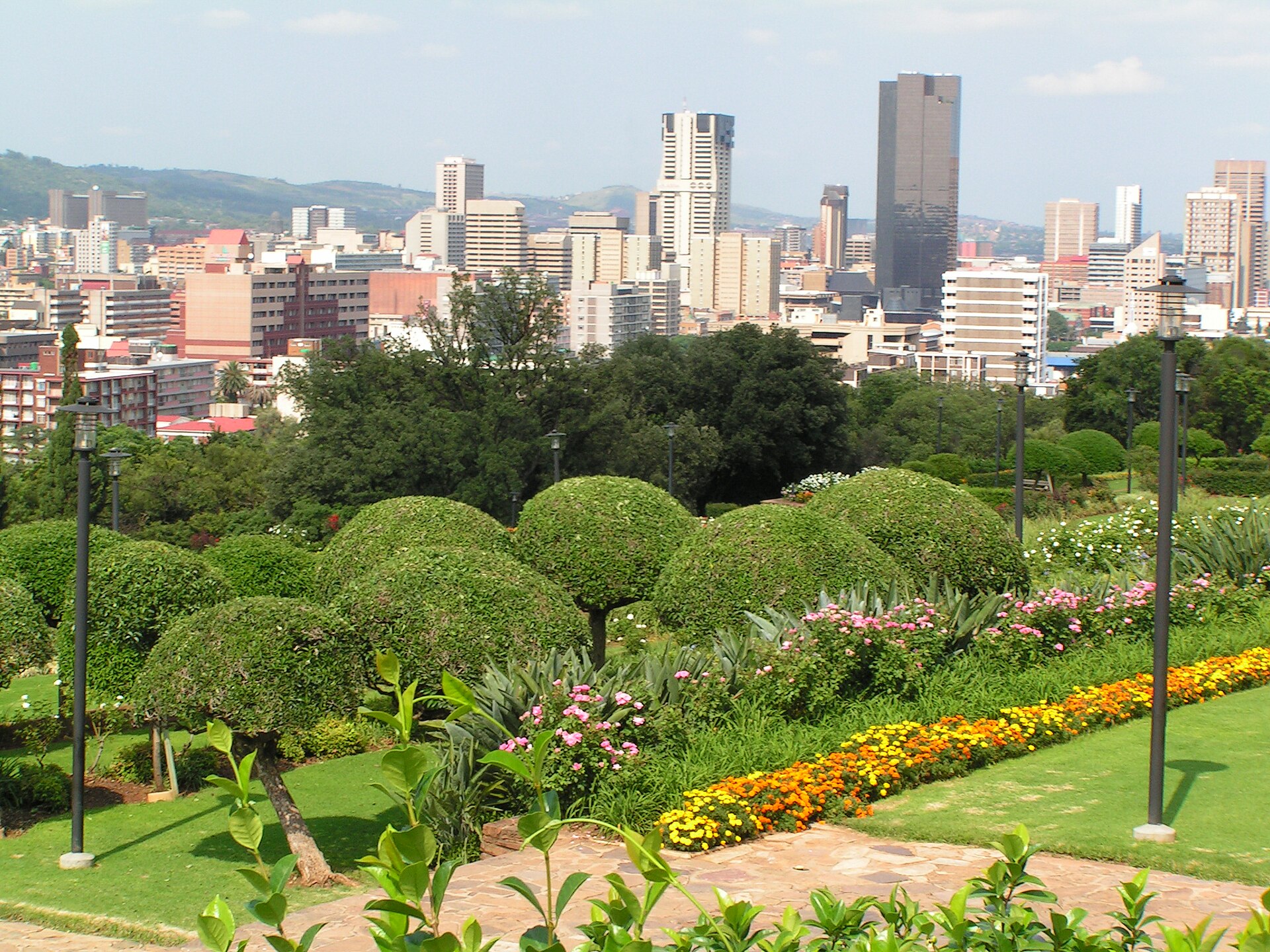
The Isibaya Fund places pension money in private and developmental deals rather than listed government bonds. Its losses have raised questions about how much retirement money should sit in assets that are hard to sell and hard to value.
How the Isibaya Fund Works
The Isibaya portfolio was valued at R75.15bn (about US$4.6bn) in the 2022 financial year, down 7.79% after impairments, the PIC’s annual report shows. The report attributed the fall to impairments raised during that year.
The Public Investment Corporation is a state-owned asset manager that invests on behalf of the Government Employees Pension Fund. The fund holds the retirement savings of South African public servants, including teachers, nurses and police officers.
The Isibaya Fund is the PIC’s unlisted-investment arm, created to back private companies and developmental projects. Its mandate includes developmental goals such as black economic empowerment, alongside financial returns.
The pension fund has committed money to Isibaya in several rounds since 2013. In April 2022 it allocated a further R25bn (about US$1.5bn), the Bureau for Economic Research noted.
Unlisted investments cannot be traded on an exchange and are valued by the manager rather than by daily market prices. When the underlying company fails, the loss can be the full amount invested.
What the R18.2bn Figure Means
A parliamentary reply reported in June 2026 showed that the Isibaya Fund invested more than R18.2bn (about US$1.1bn) in 23 companies. Each of those investments recorded an internal rate of return of minus 100%, meaning the money was lost in full.
The companies named in the disclosure include VBS Mutual Bank, Pension Policy International reported. VBS failed in 2018 amid a looting scandal that led to criminal prosecutions.
An updated schedule reported in June 2026 listed 15 investments with the same minus 100% return, worth about R4.45bn (about US$273m). That is roughly 5.1% of the Isibaya book.
The Mpati Commission Finding
The Mpati commission was appointed to investigate governance at the PIC after a series of media reports on its dealings. It heard evidence that 41% of the PIC’s R123bn (about US$7.6bn) portfolio of unlisted investments was on watch, underperforming or in distress by 2018.
That figure covers the period the commission examined, not the position in 2022 or later. It nonetheless showed how large a share of the unlisted book was already causing concern years before the latest losses were disclosed.
The commission’s work led to changes in the PIC’s board and management, but the unlisted portfolio it examined remained in place. The PIC has continued to manage unlisted investments through the Isibaya Fund since then.
Bonds Remain the Bulk of the Portfolio
The PIC’s annual reports show that most of its assets sit in listed instruments, including South African government bonds and state-owned enterprise debt. That includes debt of state companies such as the power utility Eskom.
Listed bonds pay regular interest and can be sold on the market, which makes them easier to value than private shareholdings. The unlisted book is a small share of the PIC’s total assets, but it is where the disclosed losses are concentrated.
The Government Employees Pension Fund’s portfolio stood at R2.69trn (about US$165bn) at March 2025, Financial Mail reported. Isibaya accounted for roughly R88bn (about US$5.4bn), or about 3.3% of the fund.
Why the Losses Matter
The Government Employees Pension Fund carries the direct risk on the Isibaya investments. A shortfall at the fund would ultimately fall on public servants or on the state budget that backs it.
The PIC also sits at the centre of government policy on black economic empowerment and industrial development. It has been expected to fund deals that commercial lenders might decline, which places political pressure on its investment decisions.
The disclosures have drawn attention from Parliament and from South African financial media. The debate now centres on how the PIC accounts for unlisted assets and who is answerable when they fail.
What Comes Next
The PIC publishes an integrated annual report each year, and the next edition will show whether the Isibaya portfolio has stabilised or fallen further. Further write-downs would add to the R18.2bn (about US$1.1bn) already reported.
The Helen Suzman Foundation, a liberal think tank, has tracked the PIC’s first disclosures of its unlisted holdings. Fuller reporting on each deal remains the main demand of its critics.
For public servants, the practical question is whether the fund that holds their retirement money can recover any of the amounts written down. For now, the disclosed losses stand at R18.2bn (about US$1.1bn).
Frequently Asked Questions
What is the PIC’s Isibaya Fund?
The Isibaya Fund is the unlisted-investment arm of South Africa’s Public Investment Corporation, which manages the Government Employees Pension Fund. It was created to invest pension money in private companies and developmental projects rather than listed bonds.
How much did the PIC lose on unlisted investments?
A parliamentary reply reported in June 2026 showed the Isibaya Fund invested more than R18.2bn (about US$1.1bn) in 23 companies that returned minus 100%. An updated schedule listed 15 investments with the same return, worth about R4.45bn (about US$273m).
What was the Isibaya Fund worth in 2022?
The PIC’s Integrated Annual Report for 2022 put the Isibaya portfolio value at R75.15bn (about US$4.6bn). That was a fall of 7.79% from the previous year, caused by impairments raised during the financial year.
Does the PIC still hold government bonds?
Yes. The PIC’s annual reports show it is a major holder of South African government bonds and state-owned enterprise debt, including significant exposure to Eskom and Transnet. Most of its assets sit in listed instruments rather than unlisted deals.
Who bears the losses from the Isibaya Fund?
The Government Employees Pension Fund carries the risk, and it holds the retirement savings of South African public servants. A shortfall at the fund would fall on those members or on the state budget that backs it.
Connected Coverage
Sources
- PIC Integrated Annual Report 2022
- Parliament of South Africa
- Pension Policy International
- Daily Investor
- Financial Mail
- Daily Maverick
- Universal Asset Owners
- Bureau for Economic Research
This article was produced by The Rio Times’ automated newsroom system. How we use AI · Report an error
LatAm Markets: Live Signals → — real-time movers, turnover leaders and FX across Latin America.
Read More from The Rio Times