No U.S. Challenge from Lula, but Brazil Demands Fair Play on Tariffs
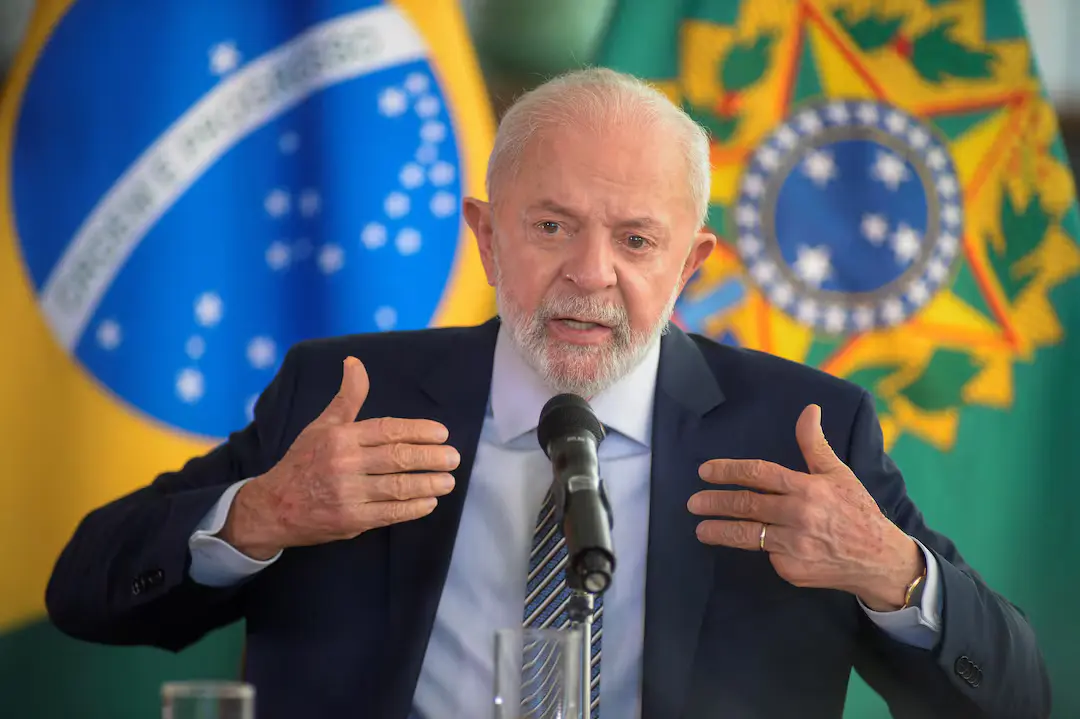
Brazilian President Luiz Inácio Lula da Silva made it clear: Brazil will not seek a fight with the United States, but refuses humiliation as new U.S. tariffs penalize key Brazilian exports.
Starting August 6, 2025, the U.S. will charge a 50% tariff on a large share of Brazilian goods, directly impacting over one third of Brazil’s exports to America.
This move mainly targets Brazil’s agricultural powerhouse, including beef, coffee, and fruit, but some sectors such as aircraft and minerals remain partly exempt.
Lula stated that while Brazil won’t retaliate blindly, it expects to be treated as a partner, not a “minor country.” He directly rejected any U.S. attempts to pressure Brazil’s courts or influence political cases, especially regarding the recent trials of ex-president Jair Bolsonaro.
This is not just about taxes. It is about how nations treat each other and defend their own interests. The United States remains Brazil’s second-largest trading partner, with $40 billion in U.S. goods exported to Brazil in 2024.
Still, Brazil has diversified more than ever, expanding ties with many other countries, especially through the BRICS economic group.
Brazil’s government signaled that it can and will respond if needed, using tariffs or other measures. At the same time, officials stress that Brazil wants negotiations and fair treatment, not an escalating trade war.
Behind the headlines, this growing trade dispute reflects a larger global trend: countries like Brazil are seeking more independence in how they trade and pay.
Brazil is working with China, Russia, and others in BRICS to rely less on the U.S. dollar for global business. In daily life, over 76% of Brazilians already use fast digital payments, showing how Brazil’s economy is modernizing.
These new tariffs risk hurting both sides. Brazilian companies face higher costs and the threat of job losses; U.S. buyers could end up paying more for Brazilian goods.
Lula’s government says it will support businesses and workers hit hardest and keep the door open to talks with Washington.
More: Brazil news in English, every day from The Rio Times.
This article was drafted with automated assistance and reviewed before publication. How we use AI · Report an error · Editorial responsibility: Matthias Camenzind, Editor-in-Chief