Nigeria’s central bank took bold action against the rising cost of living. It raised its main interest rate by 400 points to 22.75%.
This comes as inflation hits a 30-year high of 30%. The naira also fell sharply against the dollar since President Bola Tinubu took office last May.
Yemi Cardoso, the bank’s governor, shared his hope in Abuja. He believes the increase will slow inflation soon.
He stressed the bank’s plan to use many tools to fight inflation. This meeting was the first under Cardoso, chosen by Tinubu in September.
It aimed to calm investors after earlier meeting delays.
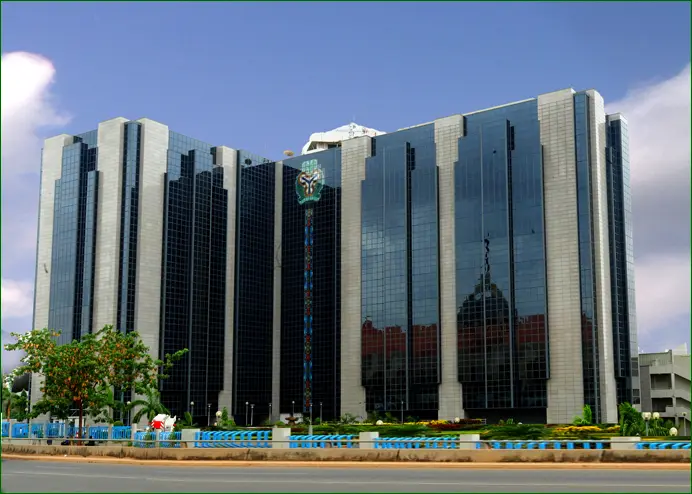
This rate hike continues the bank’s efforts to tighten the money supply. It follows a smaller increase in July.
That was after the bank’s previous head, Godwin Emefiele, left. He now faces legal trouble.
Nigerians now pay more for basics like food and travel. This is partly because the government stopped the fuel subsidy.
The central bank has launched new policies to fight inflation and improve foreign exchange access.
It also increased the amount of cash banks must hold to 45% to make the financial system stronger.
People across the country have protested, asking for quick help. To ease the burden, the government will give cash to millions of families each month.
Still, Cardoso said fixing security, farming, and oil issues is crucial for long-term health.
Nigeria is also dealing with a dollar shortage. This has left $2.2 billion in forex payments unpaid.
The bank is paying $400 million to those with valid claims to help stabilize things. The IMF advises Nigeria to keep raising rates to show its commitment to a stable policy.
It also says the country should fully remove fuel subsidies and control prices better.
More: Nigeria news in English, every day from The Rio Times.
This article was produced by The Rio Times’ automated newsroom system. How we use AI · Report an error · Editorial responsibility: Matthias Camenzind, Editor-in-Chief
Part of our ongoing coverage
Africa: The New Scramble — the great-power contest over the continent.