Nigeria Targets Deepwater Investment with Oil Block Auction
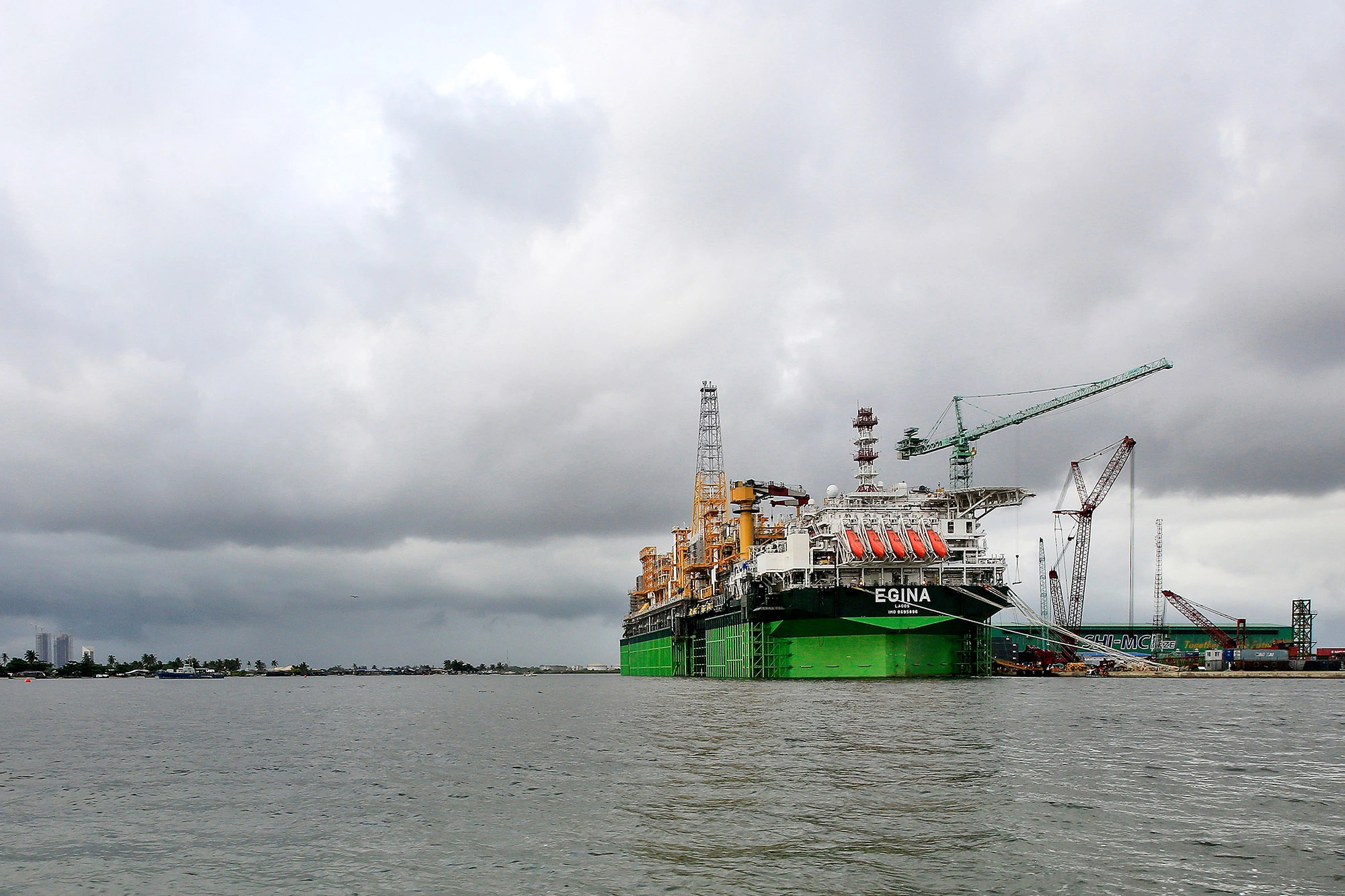
Nigeria announces its plan to auction new offshore oil blocks this year, aiming to attract deepwater investments.
This marks the country’s second such auction within two years. The initiative is part of efforts to overcome challenges like crude oil theft and pipeline sabotage that have hampered production.
These issues have led significant players such as Shell and Exxon to offload onshore holdings.
Gbenga Komolafe, head of the Nigerian Upstream Petroleum Regulatory Commission (NUPRC), shared details at an industry gathering.
He noted that the auction is open to both domestic and global firms.
In a move to attract more participants, the regulator will lower the initial signing bonus required for exploration or production licenses.
Last year’s auction offered seven offshore blocks, a first in 15 years, but winners remain undisclosed.
Offshore blocks are coveted for their vast reserves and fewer operational hurdles compared to onshore fields.
The NUPRC recently set a goal to increase oil and condensate output to 2.6 million barrels per day by 2026, up from about 1.6 million bpd in 2023.
This ambitious target highlights Nigeria‘s commitment to revitalizing its oil sector and securing the investments needed for future growth.
Background
Nigeria’s move reflects a broader strategy to strengthen its position as Africa’s top oil producer amid global shifts towards renewable energy sources.
The country’s reliance on oil revenue has made it essential to explore new offshore fields, especially as onshore assets become less appealing due to security concerns.
Historically, Nigeria’s oil sector has faced issues like environmental damage and community disputes, making offshore development a strategic priority.
More: Nigeria news in English, every day from The Rio Times.
This article was produced by The Rio Times’ automated newsroom system. How we use AI · Report an error · Editorial responsibility: Matthias Camenzind, Editor-in-Chief
Part of our ongoing coverage
Africa: The New Scramble — the great-power contest over the continent.