Why NGX Postponed Its New Shares Pricing Methodology Launch
Key Facts
- —What happened NGX postponed the August 17, 2026 launch of its new tiered shares pricing methodology after the Securities and Exchange Commission ordered broader consultation.
- —The catch Brokers warned that running the new pricing rules alongside the T+1 settlement cycle, effective June 1, 2026, could complicate operations and risk market instability.
- —The numbers The postponed rules would set a 10 kobo tick size for stocks at ₦1,000 (about US$0.65) or more, 5 kobo for ₦500 to ₦999.99 (about US$0.33 to US$0.65), and 1 kobo for shares below ₦500 (about US$0.33).
- —Why it matters The delay comes as Nigeria prepares for the planned Dangote Refinery IPO, estimated at around ₦2.15 trillion (about US$1.4 billion), which could reshape ownership of strategic energy assets.
- —What comes next NGX will conduct broader consultations for about three months before deciding when to proceed with the new pricing methodology.
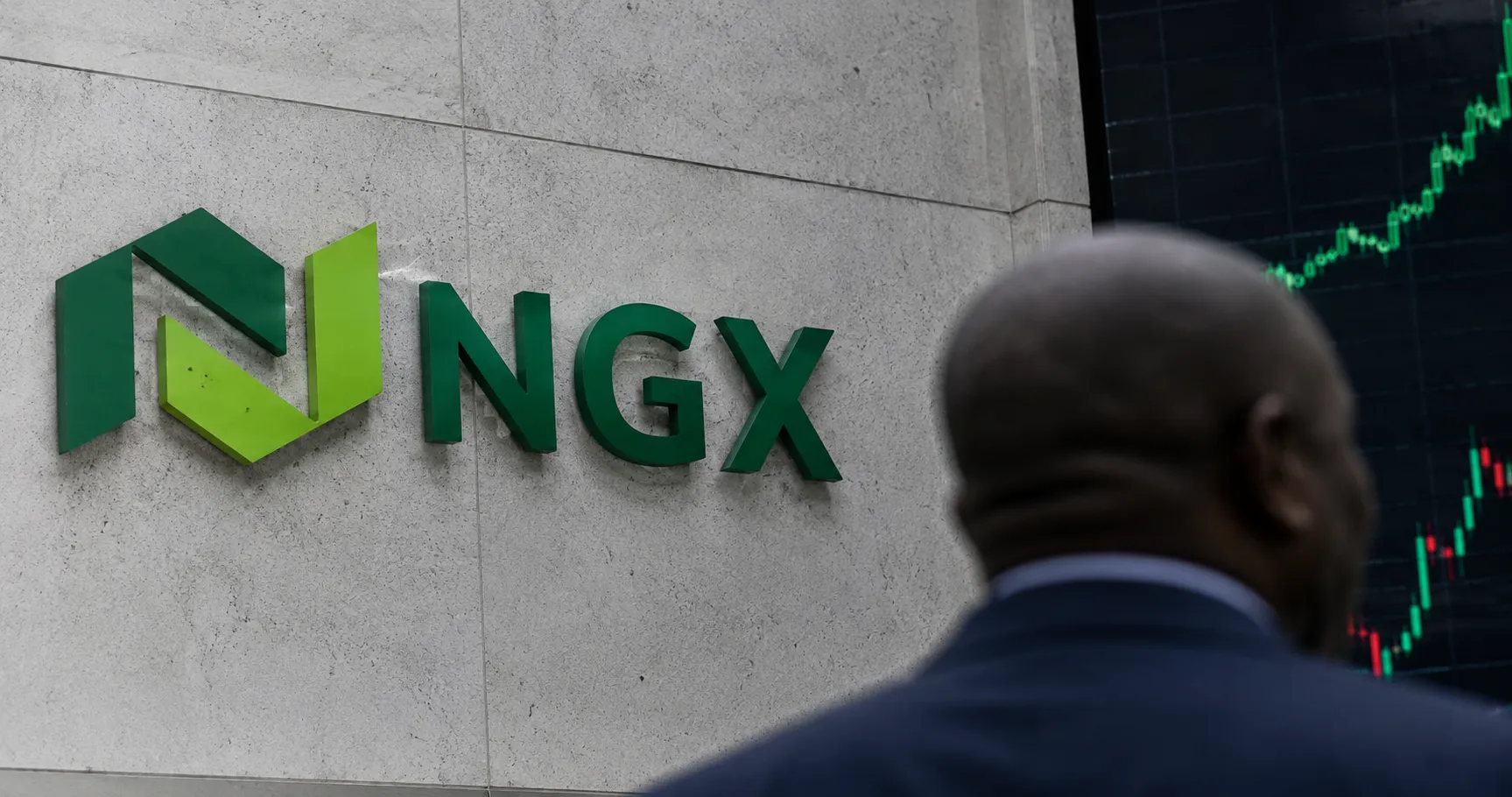
The Nigerian Exchange postponed its new shares pricing methodology launch after regulators demanded more time and consultation, delaying rules that were set to take effect on August 17, 2026.
The Nigerian Exchange (NGX) has postponed the launch of its new tiered shares pricing methodology, a day before the rules were due to take effect on August 17, 2026. The Securities and Exchange Commission (SEC) instructed the exchange to conduct broader consultations for about three months after brokers and market operators warned that too many major reforms were hitting the market at once.
Why the NGX pricing methodology was delayed
The core problem was timing. NGX had already introduced the T+1 settlement cycle on June 1, 2026, meaning trades now settle one business day after execution instead of the previous longer window.
Brokers told the exchange that layering a new pricing structure on top of that change could complicate operations and risk market instability. Nairametrics reported that operators specifically warned about the combined impact of the two reforms.
The SEC responded by directing NGX to pause the pricing methodology rollout. NGX’s Head of Corporate Communications declined substantive comment but confirmed the postponement.
What the new pricing rules would have changed
The postponed methodology would reintroduce a three-tier structure closely aligned with NGX’s 2018 market-microstructure rules. Stocks priced at ₦1,000 (about US$0.65) or more would need at least 10,000 shares traded to move the published price, with a 10 kobo tick size.
Shares between ₦500 and ₦999.99 (about US$0.33 to US$0.65) would require 50,000 shares and carry a 5 kobo tick size. Stocks below ₦500 (about US$0.33) would need 100,000 shares and move in 1 kobo increments.
This would replace the uniform requirement under which all equities needed 100,000 units to shift the published price. Critics said that system trapped high-priced shares and distorted price discovery.
The money and power stakes behind the delay
Nigeria is positioning NGX as a leading African frontier market, offering high yields but seeking deeper liquidity and more modern market structure to attract global institutional investors. The pricing reforms and T+1 settlement are part of the SEC’s long-term Capital Market Master Plan.
Market stability is crucial ahead of large listings such as the planned Dangote Refinery IPO, estimated at around ₦2.15 trillion (about US$1.4 billion). That offering could reshape local and foreign ownership of strategic energy assets and influence great-power financial engagement with Nigeria.
The delay signals that regulators are prioritising orderly implementation over speed. It also reflects the growing influence of brokers and operators in shaping how quickly Nigeria’s capital market reforms move forward.
What the three-tier structure means for investors
For retail investors, the tiered system would make price movements more granular for lower-priced stocks. A 1 kobo tick size below ₦500 (about US$0.33) allows finer price changes than the current uniform rule.
For institutional investors, the higher thresholds for expensive stocks could improve liquidity by reducing artificial barriers to trading. The 10,000-share minimum for stocks at ₦1,000 (about US$0.65) or more is far lower than the current 100,000-unit requirement.
That change could make high-priced Nigerian equities more attractive to foreign funds. The delay means those benefits will take longer to materialise.
The regional read-through for African markets
Nigeria’s capital market reforms are being watched across the continent. Other African exchanges are also modernising settlement cycles and pricing rules to attract global capital.
The NGX delay shows how difficult it is to sequence multiple reforms without disrupting daily trading. It is a cautionary signal for other frontier markets planning similar overhauls.
The broader context fits the pattern of Africa: The New Scramble, where financial infrastructure upgrades are part of a wider contest for influence over the continent’s markets and strategic assets.
What to watch next
The SEC has asked NGX to conduct broader consultations for about three months. That points to a possible launch window around November 2026, though no new date has been announced.
Investors should watch for any signals from NGX about revised implementation timelines. The Dangote Refinery IPO, estimated at around ₦2.15 trillion (about US$1.4 billion), remains the biggest event on the horizon for Nigerian capital markets.
If the pricing methodology launches before that listing, it could set the trading conditions for one of the largest equity offerings in Nigeria’s history. The next three months of consultation will determine whether that sequencing holds.
More: Nigeria news in English, every day from The Rio Times.
Frequently Asked Questions
Why did NGX postpone its new shares pricing methodology?
NGX postponed the launch after the Securities and Exchange Commission instructed broader consultation, following warnings from brokers that running the new rules alongside the T+1 settlement cycle could risk market instability.
What would the new NGX pricing methodology change?
It would introduce a three-tier structure with different share thresholds and tick sizes based on stock price, replacing the uniform 100,000-share requirement for all equities.
When will the new NGX pricing rules take effect?
No new date has been announced, but the SEC has asked NGX to conduct consultations for about three months, pointing to a possible launch around November 2026.
Connected Coverage
Sources
This article was produced by The Rio Times’ automated newsroom system. How we use AI · Report an error · Editorial responsibility: Matthias Camenzind, Editor-in-Chief
LatAm Markets: Live Signals → — real-time movers, turnover leaders and FX across Latin America.