Brazil · Metropole
Key Facts
—The subject. Várzea, the dirt-pitch amateur football played on São Paulo’s rough public fields.
—The stars. World Cup names Cafu and Raphinha revisit the grounds where they began.
—The hook. Behind-the-scenes access to the Super Copa Pioneer, the city’s biggest amateur tournament.
—The timing. It lands during the 2026 World Cup group stage.
—The makers. Directed by Alec Cutter, produced by Ginga Pictures with R21.
—Why it matters. It frames Brazil’s grassroots game as the engine behind its global football brand.
A new Netflix Brazil football docuseries goes back to where the country’s stars are made: the rough dirt pitches of São Paulo, where players like Cafu and Raphinha first learned the game long before the World Cup knew their names.
What the Netflix Brazil football docuseries shows
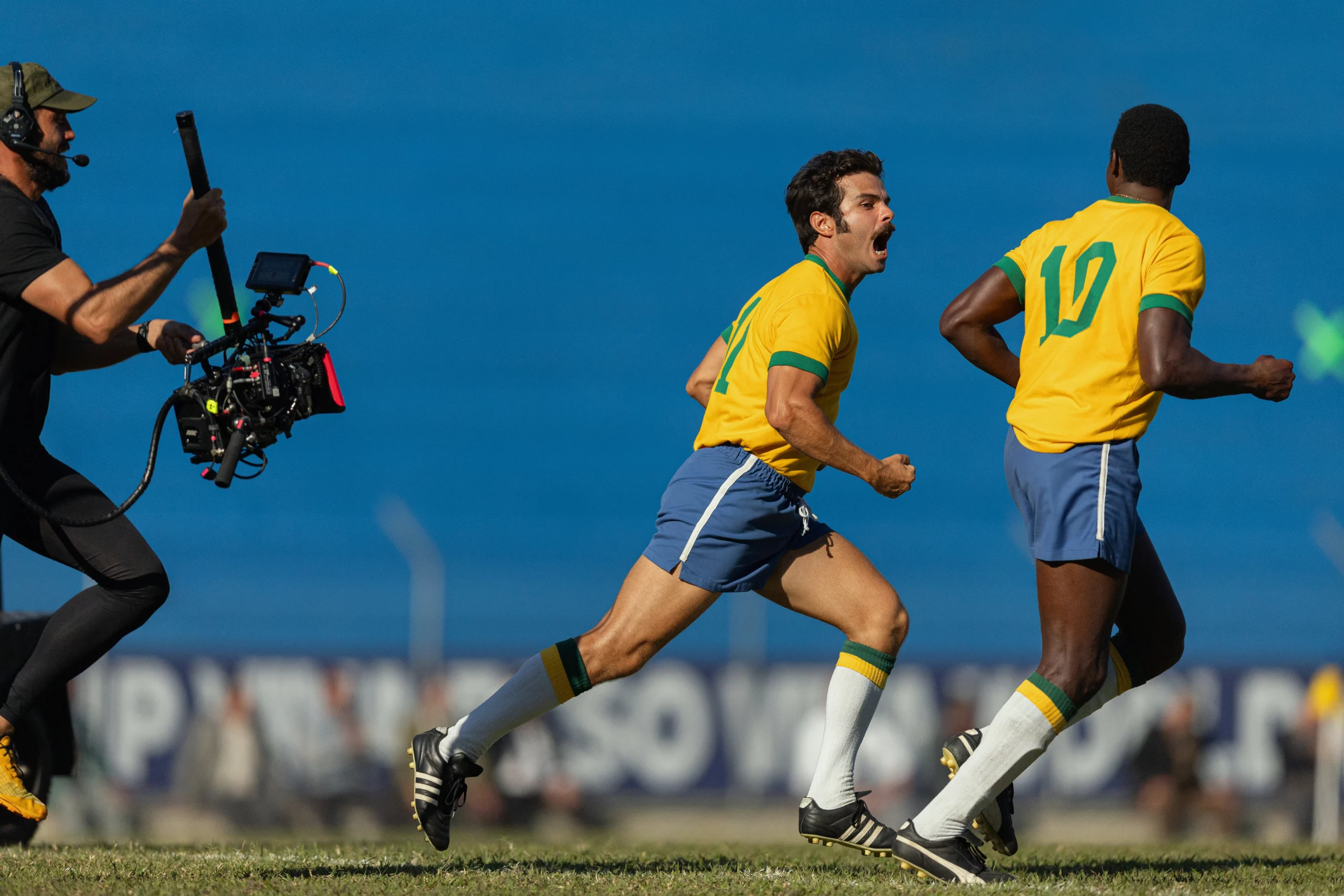
The series takes its subject from a word every Brazilian knows and most foreigners do not: várzea. It refers to the amateur football played on São Paulo’s rough public fields, the bumpy, often bare-earth pitches tucked into neighborhoods across the city. This is football at its most raw and democratic, played for pride and local glory rather than money, and it has long been the soil from which Brazil’s professional talent grows. The program offers behind-the-scenes access to the Super Copa Pioneer, described as the largest and most prestigious amateur championship in the city, following the people who live and breathe this version of the game.
The emotional anchor is provided by two famous faces. Cafu, the most-capped player in the history of Brazil’s national team, and Raphinha, a current star, both return to the grounds where their journeys started. Watching players who have reached the very top walk back onto the dirt pitches of their childhood gives the series its through-line, connecting the glamour of the global game to its humble beginnings. Directed by Alec Cutter and produced by Ginga Pictures with R21, the project is built around that contrast between where these players ended up and where they began.
The grassroots engine behind Brazilian football
For an outside viewer, the deeper value of the series is what it reveals about how Brazil keeps producing world-class players. The country’s footballing reputation is not an accident; it rests on a vast, informal pipeline of neighborhood games, local tournaments and self-taught skill that operates almost entirely outside the official system. The várzea is the most vivid expression of that pipeline, a place where children play constantly, develop the improvisational style associated with Brazilian football, and occasionally get noticed and pulled toward the professional ranks. Understanding the várzea is, in a real sense, understanding why Brazil is Brazil on a football field.
That grassroots base is also an economic story, even if the series tells it through human drama rather than spreadsheets. The talent grown on these dirt pitches becomes one of Brazil’s most valuable exports, with players sold to clubs around the world for sums that flow back into the domestic game. The informal football economy of coaches, organizers and small sponsors that sustains tournaments like the Super Copa Pioneer is the unglamorous foundation beneath a multibillion-dollar global trade in Brazilian talent. By documenting it, the series puts a human face on a system that the rest of the football world relies upon without often seeing.
Perfect timing with the World Cup
The release is timed to the 2026 World Cup group stage, when interest in football is at its global peak and Brazil, as ever, is among the teams the world watches most closely. Dropping a series about the roots of Brazilian football just as the national team takes the world stage is a shrewd piece of scheduling, giving curious viewers everywhere a way to understand the culture behind the jersey. It is also a smart cultural export in its own right, the kind of locally grounded story that streaming platforms increasingly seek out because it travels across borders on the strength of a universal subject.
For Brazilian audiences, the series is a celebration of something close to home, a recognition of the fields and communities that rarely get the spotlight despite producing the country’s heroes. For everyone else, it is an invitation into a world that explains a great deal about the beautiful game. As the tournament unfolds and new stars emerge, the series quietly makes the case that the next Cafu or Raphinha is, right now, playing somewhere on a patch of São Paulo dirt.
The project also reflects a broader shift in how streaming services treat Latin American sport. Rather than buying the rights to matches alone, platforms increasingly invest in the stories around the game, the documentaries and character studies that build loyalty between tournaments. Brazilian football, with its deep mythology and global following, is fertile ground for that approach, and a series rooted in something as specific as the várzea shows how local texture can become a selling point rather than a barrier. For Brazil, it is one more way the country’s football culture earns attention, and value, far beyond the ninety minutes on the pitch.
More: Brazil news in English, every day from The Rio Times.
Frequently Asked Questions
What is várzea football?
It is the amateur game played on São Paulo’s rough public dirt pitches, a grassroots tradition that has long served as the breeding ground for Brazil’s professional talent.
Who appears in the series?
It features Cafu, the most-capped player in Brazil’s history, and Raphinha, both returning to the fields where they started, set around the Super Copa Pioneer amateur tournament.
Why release it during the World Cup?
Interest in football peaks during the tournament, so a series about the roots of the Brazilian game reaches the widest possible audience, landing during the group stage.
Connected Coverage
Palmeiras’ Historic Comeback Ignites Brazil’s Football Passion Anew
When a Brazilian Giant Falls Apart: The Night Fluminense Crushed São Paulo
This article was drafted with automated assistance and reviewed before publication. How we use AI · Report an error · Editorial responsibility: Matthias Camenzind, Editor-in-Chief