Navigating Troubled Waters: Canada’s Stand in the Taiwan Strait Amid Rising Tensions
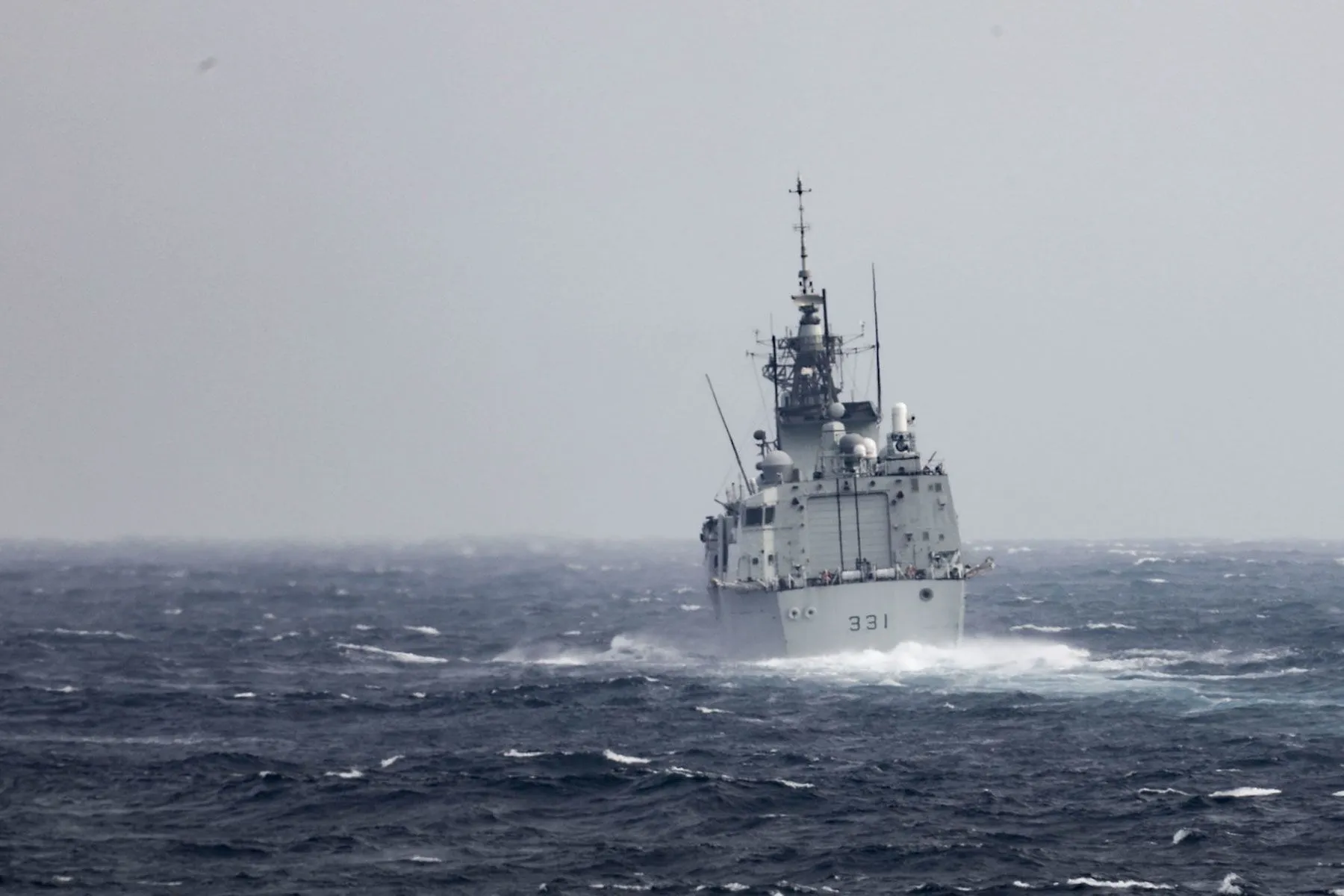
On July 31, the HMCS Montreal, a Canadian warship, navigated through the Taiwan Strait, igniting controversy.
As part of Operation Horizon, this Halifax-class frigate, crewed by 240 sailors and aviators, set sail from Halifax on April 14 for a six-month Indo-Pacific deployment.
Additionally, this act underscores Canada’s 2022 commitment to a “free, open, and inclusive” Indo-Pacific.
China strongly opposed this routine operation, seeing it as a challenge to a rules-based international order.
The People’s Liberation Army (PLA) closely watched the Canadian frigate, condemning its journey as disruptive to regional peace and stability.
Li Xi, a PLA senior captain and spokesperson, labeled the transit provocative, signaling China’s readiness to counter perceived threats.
Diplomatic and Strategic Tensions in the Taiwan Strait
The journey came weeks after Canadian and Chinese diplomats, including Foreign Ministers Melanie Joly and Wang Yi, sought to repair frayed bilateral relations.
These talks followed deteriorating ties since 2018. The tension began with the arrest of a Huawei executive in Canada and China’s detention of two Canadians.
The Taiwan Strait, a hub of strategic significance, draws intense international interest. Countries regularly demonstrate their support for its status as an international waterway.
In addition, this counters China‘s claim over Taiwan and the Strait. China views these military activities as encroachments on its sovereignty.
As Canada bolsters its naval presence, it aligns with broader strategies, including military investments and enhanced ties with key partners like Taiwan.
The international community remains vigilant, watching these moves that advocate for unobstructed access to critical maritime routes and balancing power in Asia-Pacific waters.
However, this diplomatic and military ballet emphasizes the Taiwan Strait’s critical role in global geopolitics.
The HMCS Montreal’s transit is not merely a naval action. It represents a broader dialogue on freedom, sovereignty, and international law.
In short, it reflects ongoing efforts to ensure peace and security in a region marked by complex, overlapping interests.
This article was produced by The Rio Times’ automated newsroom system. How we use AI · Report an error · Editorial responsibility: Matthias Camenzind, Editor-in-Chief
Read More from The Rio Times