Uruguay’s MAPI Museum Wins Top Honor After Training 500 People
Culture: Montevideo
Key Facts
—Award. Montevideo’s MAPI museum has won the ICOM Uruguay 2025 prize, the country’s top museum honor.
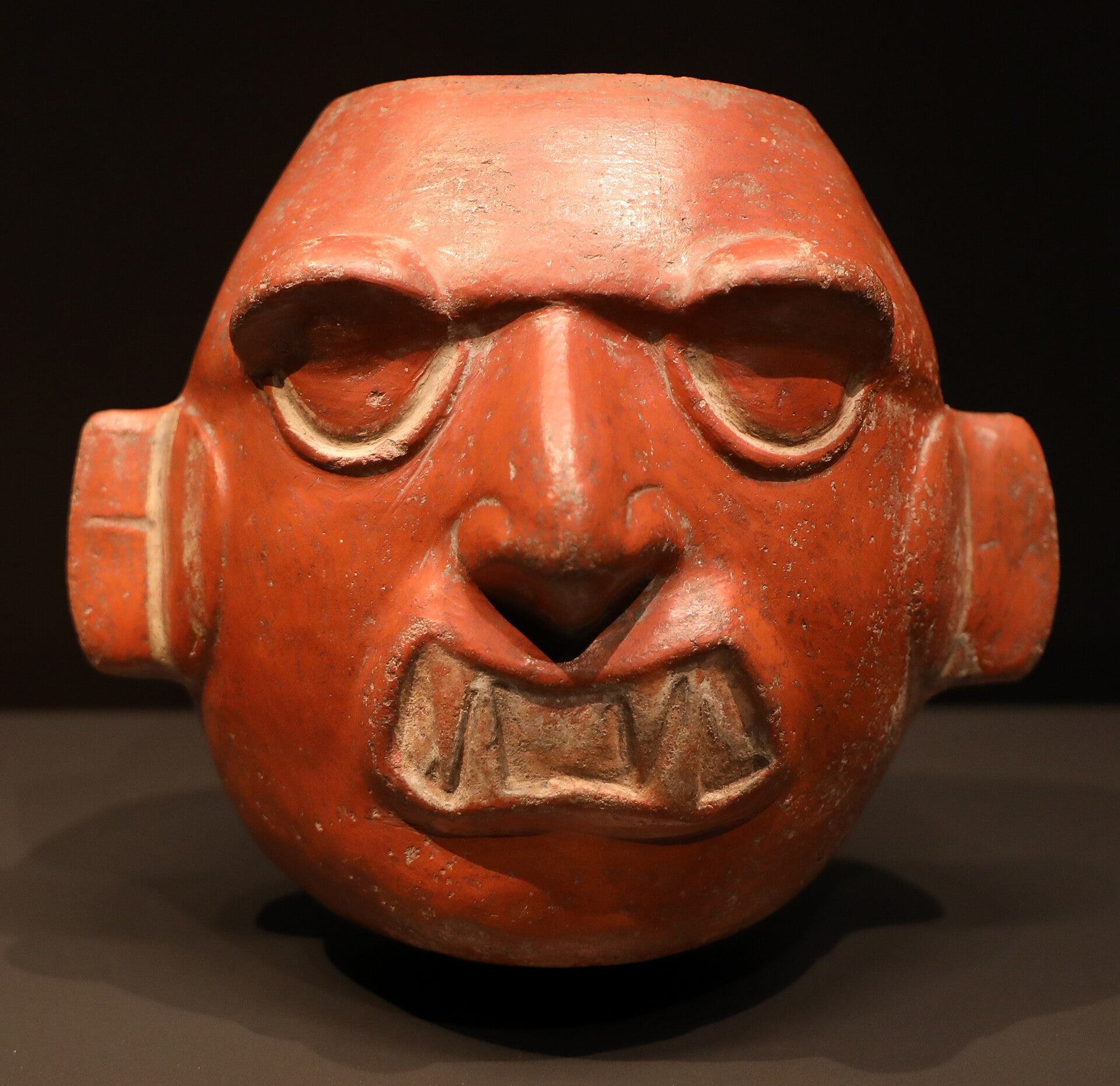
—Collection. The Museum of Pre-Columbian and Indigenous Art holds more than 7,000 pieces from across the Americas.
—Social role. A restoration workshop school has trained some 500 people, many coming off the street or long unemployment.
—Education. Around 25,000 children and students visit the museum’s programs every year.
—Next. Two new apps are on the way to make visits easier and more personal.
The MAPI museum in Montevideo just won Uruguay’s top museum prize, honoring two decades of turning pre-Columbian art into a tool for education and social inclusion.
What Is the MAPI Museum in Montevideo?
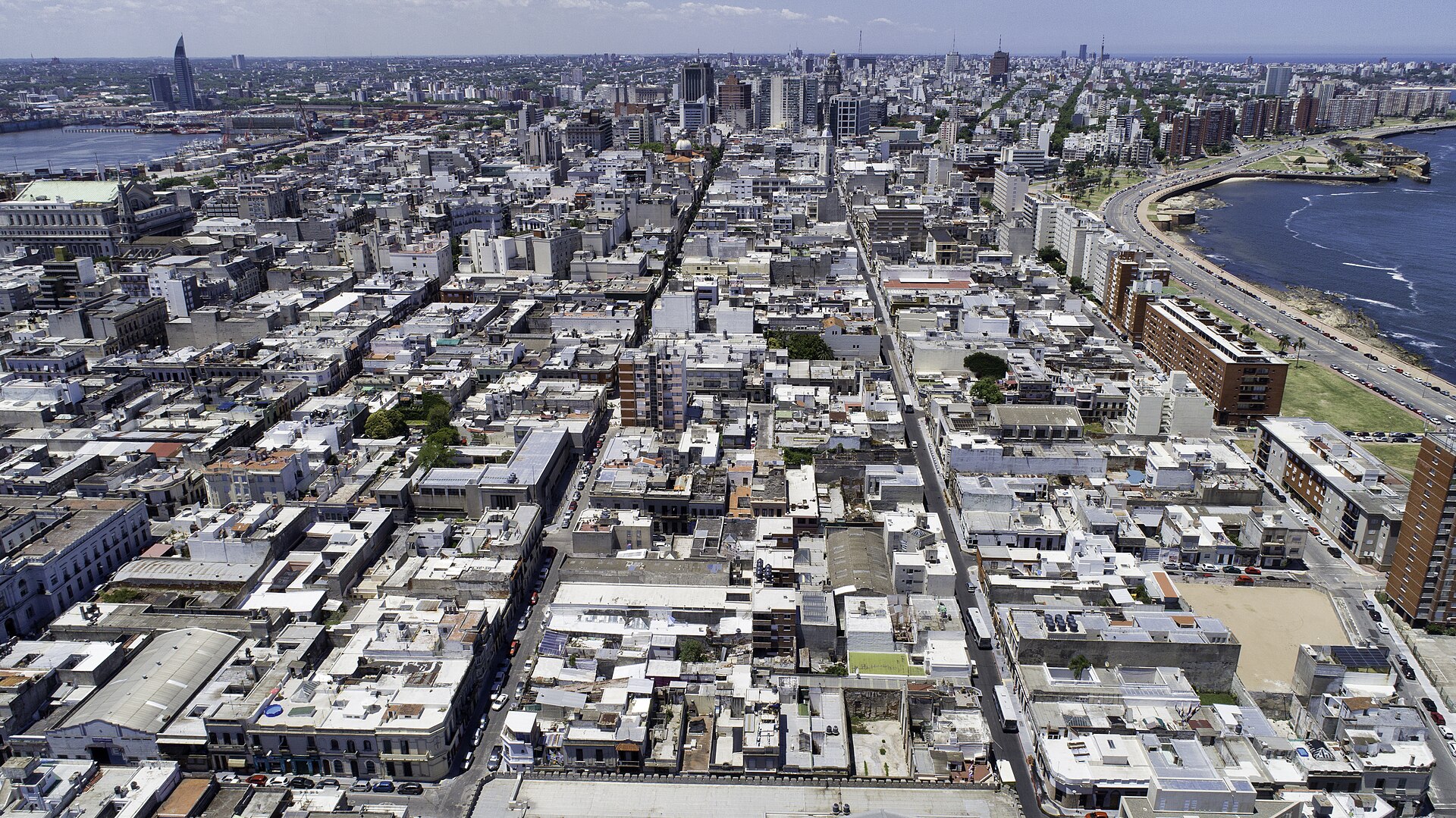
MAPI stands for Museo de Arte Precolombino e Indígena, the Museum of Pre-Columbian and Indigenous Art. It sits in a late 19th-century building at 25 de Mayo 279, in Montevideo’s old town.
The museum opened in 2004 after collector Matteo Goretti ceded part of his collection to the city. That deal made MAPI the first cultural institution in Uruguay run under a mixed public-private model.
The model worked so well that other organizations later copied it. The city government runs the museum together with a support foundation, which keeps it both public and nimble.
Since then the collection has grown fivefold to more than 7,000 pieces. The building itself is a National Historic Monument of over 5,000 square meters, and temporary shows arrive from partners worldwide.
The Prize That Honors a Whole Career
ICOM Uruguay, the national branch of the International Council of Museums, gave MAPI its 2025 prize for national museum activity. It is the highest recognition in the country’s museum world.
Director Facundo de Almeida stresses that this is a lifetime-achievement style award, not a prize for one project. In his words, it belongs to everyone who has worked at the museum over its twenty-plus years.
The timing made it sweeter, after a year of political change at the city government. De Almeida calls receiving such a recognition “a caress” for the whole team.
De Almeida, an Argentine with a master’s in cultural management, has led MAPI since 2011. Under him the museum also picked up international recognition from ICOM, mentions from the Ibermuseos network and the Estatuilla Morosoli from Fundación Lolita Rubial.
A Museum That Rebuilds Lives, Not Just Walls
The program the director links most closely to the prize is the Escuela Taller de Restauración, a workshop school running for 15 years. It trains people with no formal qualifications, many of them coming off the street or long periods without work.
Around 500 participants have passed through the scheme, run together with the social development ministry. Their work restored more than 4,000 of the building’s 5,000 square meters.
“For us, they become part of the MAPI team,” de Almeida says of the trainees. The prize, he adds, belongs especially to those 500 workers.
A sister program with youth-inclusion and prisoner-support agencies turns the museum’s own waste into designed objects. The idea is always the same: culture as a door back into society.
Education and Access for Everyone
About 25,000 children and high-schoolers join the museum’s education programs each year. The materials are built with archaeologists, artists and teachers, and match the national school curriculum.
Accessibility goes far beyond wheelchair ramps at MAPI. There is an app with audio guides, a video guide in Uruguayan sign language, staff trained for ADHD and autism-spectrum groups, and snacks adjusted for celiac or lactose-intolerant visitors.
“We all need accessibility in a museum — all of us,” the director says. That philosophy turned a nice idea into concrete tools for real visitors.
The museum also refuses to wait for visitors to come. Programs called “MAPI goes to the beach”, “to the street”, “to prison” and “to the countryside” carry culture to people who rarely enter a museum, because, as de Almeida puts it, the museum is not just four walls.
What Is Next: Metaverse and Two New Apps
The museum already shows parts of its collection in the metaverse and has digitized its specialized library. It also produced a short film made entirely with artificial-intelligence tools.
Two new apps are in development and will be announced soon. One improves how visitors explore the permanent exhibition, and the other aims to make a solo visit feel close to a guided tour.
The goal, de Almeida says, is simple: a person who comes alone should get an experience as close as possible to visiting with a guide. Technology serves that human aim, not the other way around.
On the exhibition front, the museum recently opened “Emberá, a journey to the ancestral heart of Panama”, prepared with Panama’s embassy. The museum recently hosted “Jeike al Monte Nativo”, painter Carmela Piñón’s walk through Uruguay’s native forest, with family activities and talks built around it.
More: Uruguay news in English, every day from The Rio Times.
Frequently Asked Questions
What is the MAPI museum in Montevideo?
It is Uruguay’s Museum of Pre-Columbian and Indigenous Art, founded in 2004 in Montevideo’s old town. It holds more than 7,000 archaeological and ethnographic pieces from across the Americas.
MAPI was Uruguay’s first mixed public-private cultural institution. Its home is a National Historic Monument from the late 19th century.
What award did the MAPI museum win?
The museum received the ICOM Uruguay 2025 prize for national museum activity, the country’s top museum honor. The award recognizes its career-long mix of heritage, education and social work.
ICOM is the International Council of Museums, the global professional body for the sector. Its Uruguayan committee awards the prize.
Can foreigners visit the MAPI?
Yes, the museum is open to the public at 25 de Mayo 279 in Montevideo’s Ciudad Vieja, with tickets online via RedTickets or at the door. Audio-guide and sign-language tools make visits easy for international guests.
Check the museum’s website, mapi.uy, for current exhibitions before you go. The program changes several times a year.
Connected Coverage
Museums, cities and culture — Latin America explained for readers abroad.
Sources: Grupo R Multimedio; MAPI (mapi.uy).
This article was produced by The Rio Times’ automated newsroom system. How we use AI · Report an error
Read More from The Rio Times