Mexico’s President Said Christianity Could Save Nation from Covid-19; So Far It Hasn’t
RIO DE JANEIRO, BRAZIL – Mexico, unlike its small Central American neighbors, never really closed its borders, neither land nor air, even after the pandemic was officially declared a health crisis on February 28th. In Mexico, President Andrés Manuel López Obrador, known as AMLO, took an almost unique approach. Indeed, early on, the President said publicly that religion (Christianity, in this case) would save the nation from the new Covid-19.

These statements, which were viewed by many in the West, particularly within the scientific community, as woefully ignorant and dangerous, may have slowed down the Mexican government’s response. To the rational man, these religious statements can seem medieval at best. But the truth, of course, lies between the lines when a leader speaks to his people.
Stepping back from it all, one can now easily see how and where Covid-19 has crossed our planet to impact most countries. The latest continent the pandemic reached – Central and South America – is currently coping with the rising death toll from the novel virus. After Asia, then Europe, and North America, the Latin South was not prepared for such an eventuality.
Mexico is still a very religious nation, where Catholicism remains a central force within the daily lives of poorer Mexicans, who seek answers, solace and peace within their faith. This political move is a way to calm and soothe the poorest and therefore more conservative portion of the Mexican population, as the authorities knew all too well, from watching what was happening within the border of its powerful northern neighbor, that Mexico’s poor would be the hardest hit.
The Mexican government, like all governments who are currently dealing with the health crisis, has to manage the health of its population while focusing on the domestic economy; in practice, this is an exceedingly difficult balancing act. The tourism sector directly accounts for 8.5 percent of GDP, 5.8 percent of full-time paid employment (in the formal sector), and 77.2 percent of service exports.
It contributes positively to Mexico’s balance of payments, and generates higher than average value to the economy. A record 32.1 million international tourists contributed MXN 246.1 billion (USD 15.5 billion) to the economy in 2015. With these numbers in mind, one can easily understand how Mexico cannot afford to destroy its tourism market.
Of course, managing this balancing act also implies a compromise on both ends. These types of compromises will cost more lives due to Covid-19; however, if the Mexican government had decided to focus solely on Health, completely shutting down the economy, many others would have died, just not from Covid-19. Truly, a Cartesian dilemma.
Today, the situation in Mexico is murky, as intellectual protest is getting louder within the public sphere: on one side you can hear the pro-health camp asking the government to do more to protect its citizens, while a more conservative approach is pressuring the government to let people live their lives.
This intellectual distancing was not born during Covid-19 but has been brewing for years, between two worlds that are now clashing over everything, including the pandemic. For the conservatives of this world, many governments have infringed on people’s basic freedoms by asking their population to stay home, wear masks, and enforce social distancing. For progressives, a tougher government stance that forces stringent measures on its population is justified, but to what end?
Indeed, many governments in Europe are imposing tough measures which could be resumed if need be: for instance, if a second wave emerges in their autumn. This automatization of measures can be used over and over, every time a government feels that a crisis is imminent. Where does it end? Most historians hold that, once a government has had the opportunity to further its control over a situation or a population group, it rarely lets go.
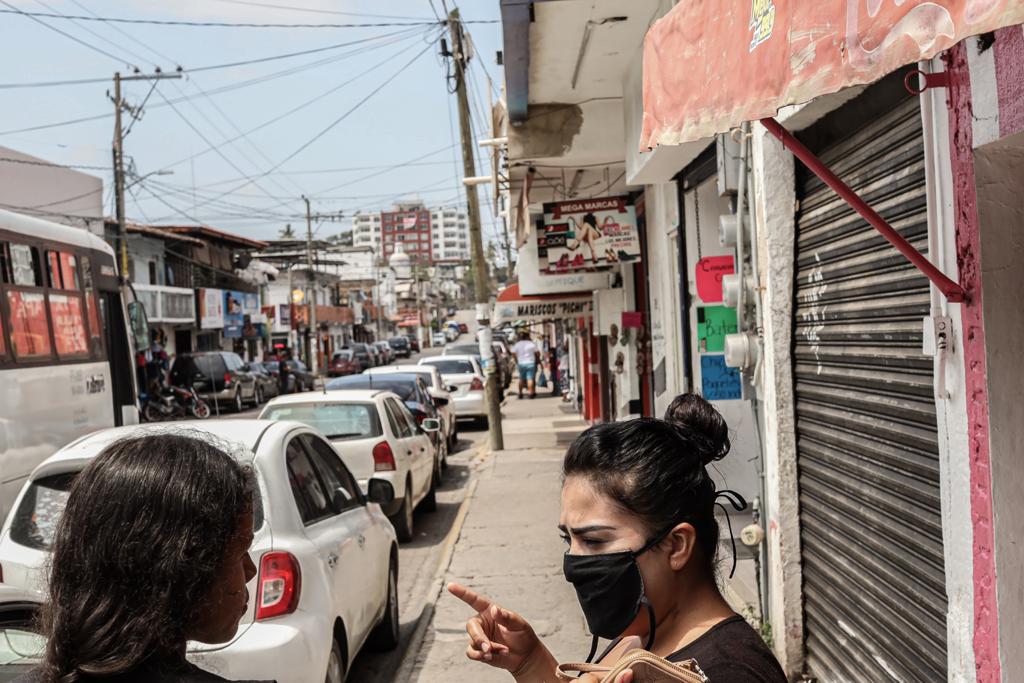
Mexico has been, in terms of restrictions, much more lenient. Indeed, in many of the small towns and villages dotting its countryside, an overwhelming portion of the population has led their lives mostly the same way as before the pandemic. In the Jalisco and Nayarit regions, this is also true. Barely one fourth of the people you see on the streets wear a mask, even though deaths have been steadily increasing for weeks now.
The official tally earlier this week showed that 146,837 Mexicans have contracted the virus, while 17,141 have died so far. These official numbers, as in most countries, are almost impossible to confirm. Some who have allegedly died from the virus, may have died anyway from something else; meanwhile, deaths remain uncounted in the more remote parts of Mexico where the government has less influence and fewer resources.
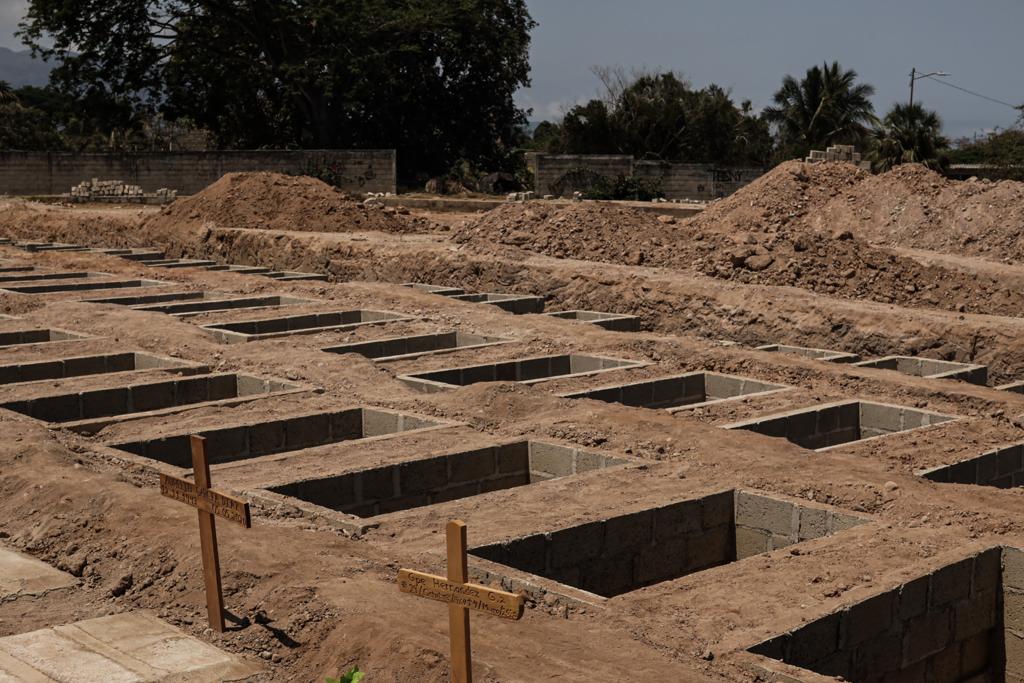
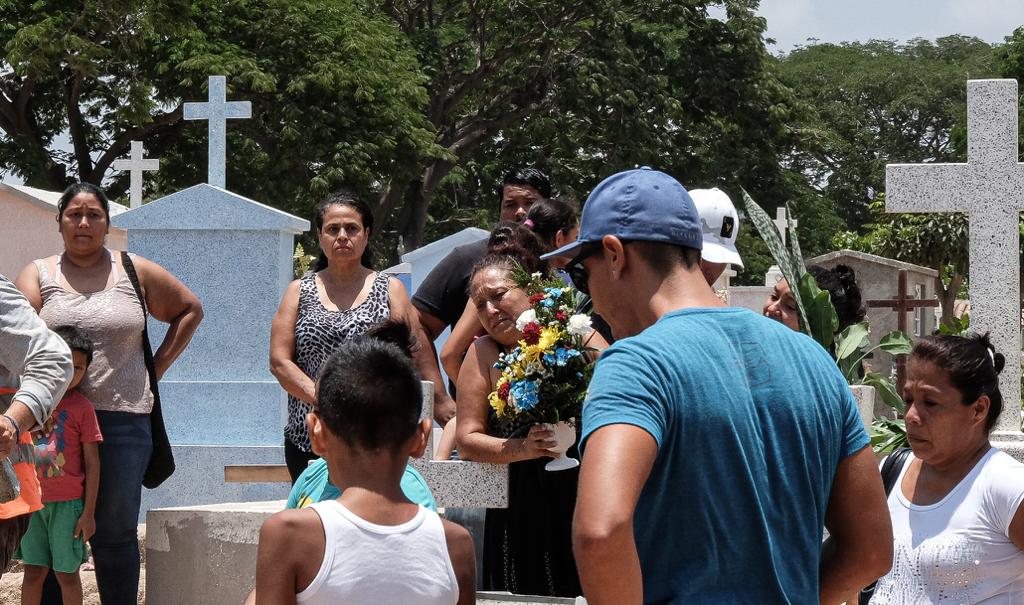
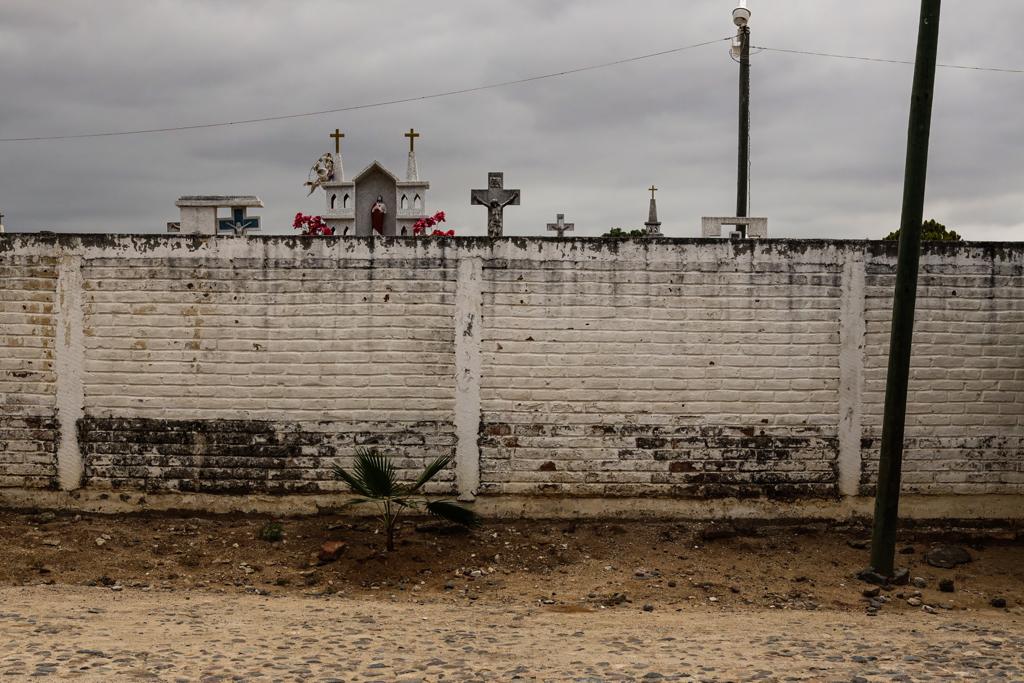
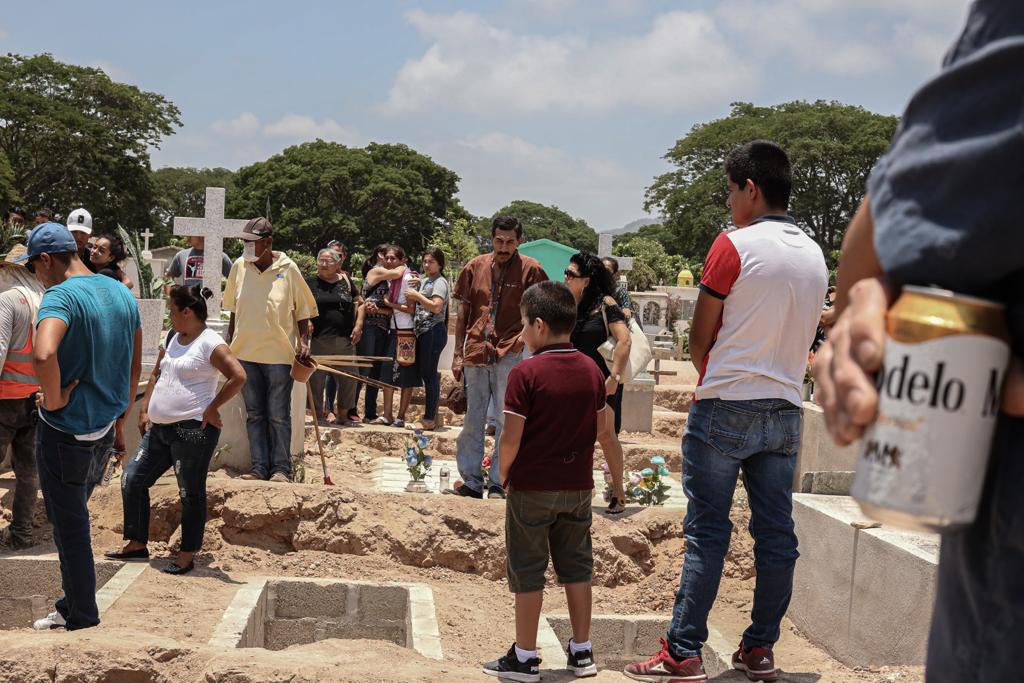
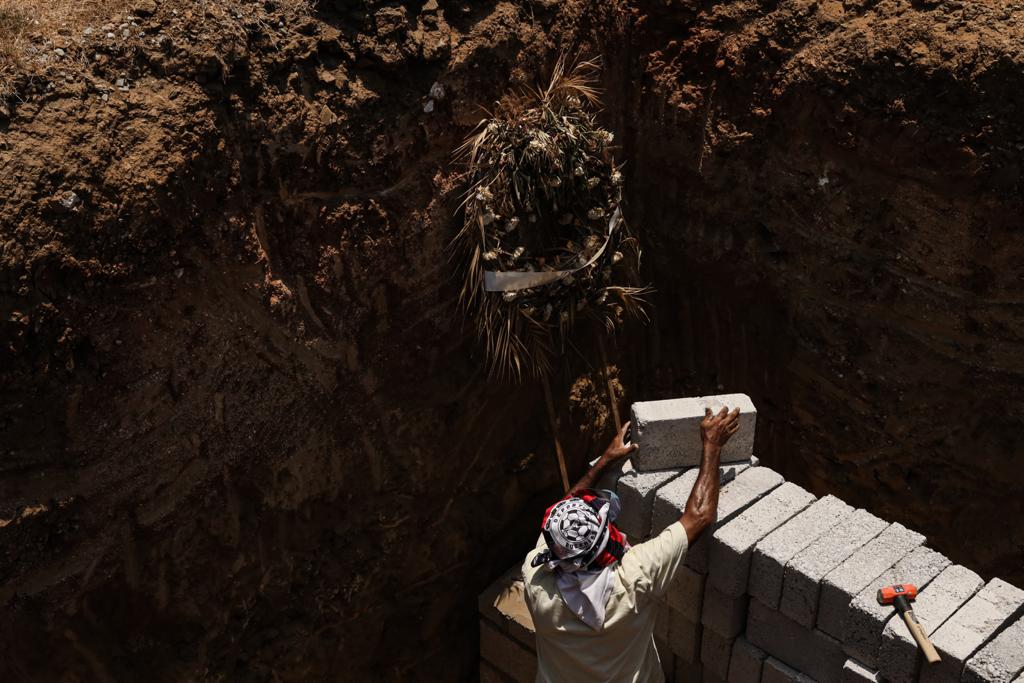
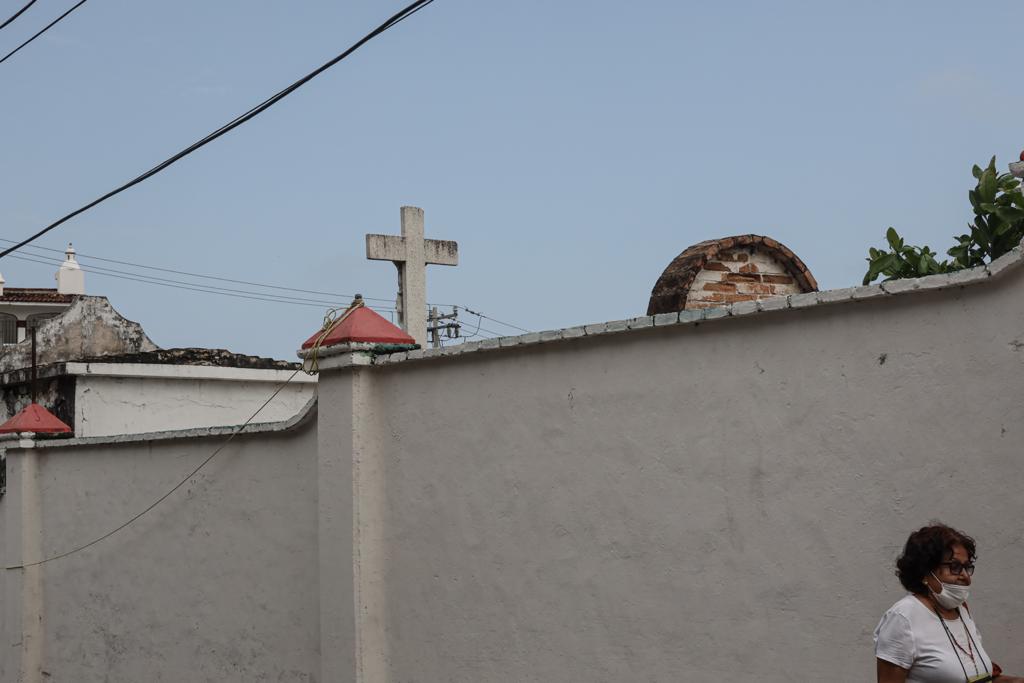
A few restrictions, however, are enforced throughout the land, like the closure of almost all cemeteries, except for a few here and there in order to discreetly bury Mexicans who die from the virus. In the Puerto Vallarta area, only one Panteon Municipal, as they call them, was kept open; there, dozens of dead were buried quickly out of the media’s sights.
The reasoning behind such a move is to make sure that the country’s main source of income – tourism – does not get broken down in the long term. This logic, however grim it may seem, makes sense if you want North Americans to return to the region and spend money by filling hotels, restaurants and other tourist attractions.
Mexico and Brazil are the most hard-hit nations in Central and South America. Though that is true, we must step back a bit and look at the overall picture, in order to gain a better perspective. In 2018, the number of drug-related homicides in Mexico rose to 33,341, a 15 percent increase from the previous year—and a record high. Moreover, Mexican cartels killed at least 130 candidates and politicians in the lead-up to Mexico’s 2018 presidential elections.
Furthermore, it is estimated that 78,000 Mexicans die of cancer each year. However, diabetes is by far the leading case of death in Mexico; it is thus a major component that increases the risk of death for any Mexican contaminated with Covid-19. In short, it is of course a health problem, but it is also an economic one which, in the long haul, could become a far greater threat to the stability of our planet.
More: Brazil news in English, every day from The Rio Times.
Editorial responsibility: Matthias Camenzind, Editor-in-Chief · Editorial standards · Report an error